
Looking for protein rich food for weight loss that actually stretches your calorie budget? This list ranks high protein low calorie foods by one honest number: grams of protein per 100 cal. It shows you which foods give the most protein for the least energy, so meals stay satisfying while you eat a little less.
Quick answer: The densest whole foods are canned light tuna (22.6 g protein per 100 cal), cod (21.7 g), egg whites (21.0 g), turkey breast (20.5 g), and tilapia (20.4 g). Shrimp, chicken breast, nonfat Greek yogurt, and 1% cottage cheese sit right behind them. Below you’ll find a 22-food master table built on USDA FoodData Central numbers, category tips, four plate builds, and a short FAQ.
Quick note before the food: this is general information, not medical advice. Protein and calorie needs vary with your body, activity, and health, so check with your doctor or a registered dietitian if you’re pregnant, have kidney disease, or follow a prescribed diet. And this page is all about protein density. If you want big, filling plates for few calories, that’s our high volume low calorie foods guide.
Why Protein Rich Foods Help With Weight Loss
Let’s start with the honest part: weight loss still comes down to a calorie deficit, and protein doesn’t burn fat on its own. What protein rich food for weight loss does is make that deficit easier to live with, in a few modest ways.
- Fullness. A 2015 review in the American Journal of Clinical Nutrition describes a modest satiety effect from higher-protein meals, meaning people tend to feel fuller after them.[1] Modest is the key word.
- Muscle preservation. When you eat less, you can lose some lean mass along with fat. A 2012 meta-analysis of 24 trials found that higher-protein, calorie-restricted diets kept a bit more fat-free mass (about 0.4 kg on average) and produced slightly more weight and fat loss (under 1 kg on average) than standard-protein diets over roughly 12 weeks.[2]
- A smaller metabolic dip. That same analysis saw resting energy use drop a little less on the higher-protein diets. The authors called all of these benefits modest, and that’s the right frame.
So the best weight loss high protein foods are the ones that give you plenty of protein for few calories and that you’ll happily eat on repeat. If macros are new to you, what are macros explains why protein and carbs carry about 4 cal per gram and fat carries about 9. For full-day meal ideas, how to get 100 grams of protein a day lays out simple builds. On a GLP-1 medication with a smaller appetite? The Ozempic protein calculator gives a protein estimate for that situation.
Takeaway: Protein makes a deficit easier to stick with. It doesn’t replace the deficit.
How We Rank: Protein Per 100 Cal
Grams of protein per serving can mislead, because servings aren’t equal. A 3 oz fish fillet and a cup of beans aren’t a fair fight. So every food here is ranked by protein density instead:
Protein per 100 cal = (protein in grams ÷ calories) × 100
Here’s the classic example. Egg whites have 10.9 g of protein in 52 cal per 100 g, so 10.9 ÷ 52 × 100 = about 21 g per 100 cal. Hard-boiled whole eggs have 12.6 g in 155 cal, which works out to about 8 g per 100 cal. Same egg, very different density, because the yolk carries most of the fat.
There’s also a ceiling. Protein carries about 4 cal per gram, so even pure protein tops out near 25 g per 100 cal. If a list claims much more, check the math. Our densest whole foods land around 21-23 g, which is about as close as real food gets.
A handy shopping benchmark: call anything at 10 g of protein per 100 cal or more a lean pick. You can run any label in seconds: divide protein by calories, then multiply by 100.
Lower density doesn’t mean bad. Lentils, beans, and chickpeas score lower because they carry carbs, but those carbs come with fiber. A cup of cooked lentils brings about 15.6 g of fiber along with its 17.9 g of protein. Density is one lens, not a verdict.
Takeaway: Divide protein by calories and multiply by 100. Aim for 10 or more, and know that about 25 is the ceiling.





Get Dishco on iPhone

Best High Protein Low Calorie Foods
Here are 22 high protein low calorie foods, sorted by protein per 100 cal. Cal and protein are for the portion shown. The last column works for any portion, because it’s a ratio.
| # | Food | Portion | Cal | Protein (g) | Protein / 100 cal |
|---|---|---|---|---|---|
| 1 | Canned light tuna in water, drained | 3 oz (85 g) | 73 | 16.5 | 22.6 |
| 2 | Whey protein powder (optional) | 1 scoop (30 g) | 106 | 23.4 | 22.2 |
| 3 | Cod, baked or broiled | 3 oz (85 g) | 89 | 19.4 | 21.7 |
| 4 | Egg whites | 3 large (99 g) | 51 | 10.8 | 21.0 |
| 5 | Turkey breast, roasted, skinless | 3 oz (85 g) | 125 | 25.6 | 20.5 |
| 6 | Tilapia, baked or broiled | 3 oz (85 g) | 109 | 22.2 | 20.4 |
| 7 | Shrimp, cooked | 3 oz (85 g) | 101 | 19.4 | 19.1 |
| 8 | Chicken breast, roasted, skinless | 3 oz (85 g) | 140 | 26.4 | 18.8 |
| 9 | Scallops, steamed | 3 oz (85 g) | 94 | 17.5 | 18.5 |
| 10 | Pork tenderloin, roasted, lean | 3 oz (85 g) | 122 | 22.2 | 18.3 |
| 11 | Plain nonfat Greek yogurt | 1 container (170 g) | 100 | 17.3 | 17.3 |
| 12 | Cottage cheese, 1% | 1/2 cup (113 g) | 81 | 14.0 | 17.2 |
| 13 | 95% lean ground beef, cooked | 3 oz (85 g) | 139 | 21.9 | 15.7 |
| 14 | Wild salmon, baked or broiled | 3 oz (85 g) | 155 | 21.6 | 14.0 |
| 15 | Firm tofu | 100 g (about 3.5 oz) | 144 | 17.3 | 12.0 |
| 16 | Tempeh | 100 g (about 3.5 oz) | 192 | 20.3 | 10.6 |
| 17 | Skim milk | 1 cup (245 g) | 83 | 8.3 | 9.9 |
| 18 | Edamame, cooked | 1 cup shelled (155 g) | 188 | 18.5 | 9.8 |
| 19 | Whole eggs, hard-boiled | 2 large (100 g) | 155 | 12.6 | 8.1 |
| 20 | Lentils, cooked | 1 cup (198 g) | 230 | 17.9 | 7.8 |
| 21 | Black beans, cooked | 1 cup (172 g) | 227 | 15.2 | 6.7 |
| 22 | Chickpeas, cooked | 1 cup (164 g) | 269 | 14.5 | 5.4 |
How to read it:
- Top tier (18 g and up): lean seafood, egg whites, skinless poultry, and pork tenderloin. These are your most efficient low calorie protein anchors.
- Middle (10-18 g): dairy, lean beef, salmon, tofu, and tempeh. All still clear the 10 g benchmark.
- Lower (under 10 g): whole eggs, skim milk, edamame, and beans. Less dense, but they bring fiber, fat, or convenience you may want.
- Whey is optional. It’s handy, not essential, and scoop sizes and formulas vary, so your label wins.
Source note: Every number comes from USDA FoodData Central SR Legacy entries, scaled from per-100 g values.[3] Meats and fish are cooked; egg whites, tofu, and tempeh are as sold. FDC ids: tuna 173709, whey 173180, cod 171956, egg whites 172183, turkey 171496, tilapia 175177, shrimp 171971, chicken 171477, scallops 167742, pork 168250, Greek yogurt 170894, cottage cheese 173417, beef 171792, salmon 171998, tofu 172475, tempeh 174272, skim milk 171269, edamame 168411, whole eggs 173424, lentils 172421, black beans 173735, chickpeas 173757. Brands and cooking methods will nudge these a little.
Takeaway: Build most plates from the top half of the table, and use the bottom half for fiber and variety.
Lean Poultry, Seafood, and Eggs
This is where the table’s top spots live, and where most people start when shopping for protein rich food for weight loss. A few tips for each so they stay lean once they hit the pan:
- Canned light tuna. 16.5 g of protein for 73 cal per 3 oz. Mix it with plain Greek yogurt instead of mayo. A single tablespoon of mayo adds about 94 cal, more than the tuna itself.
- Cod and tilapia. Mild white fish that takes on any seasoning. Bake or air-fry with lemon, garlic, and paprika. A 3 oz piece of cod gives you 19.4 g for 89 cal.
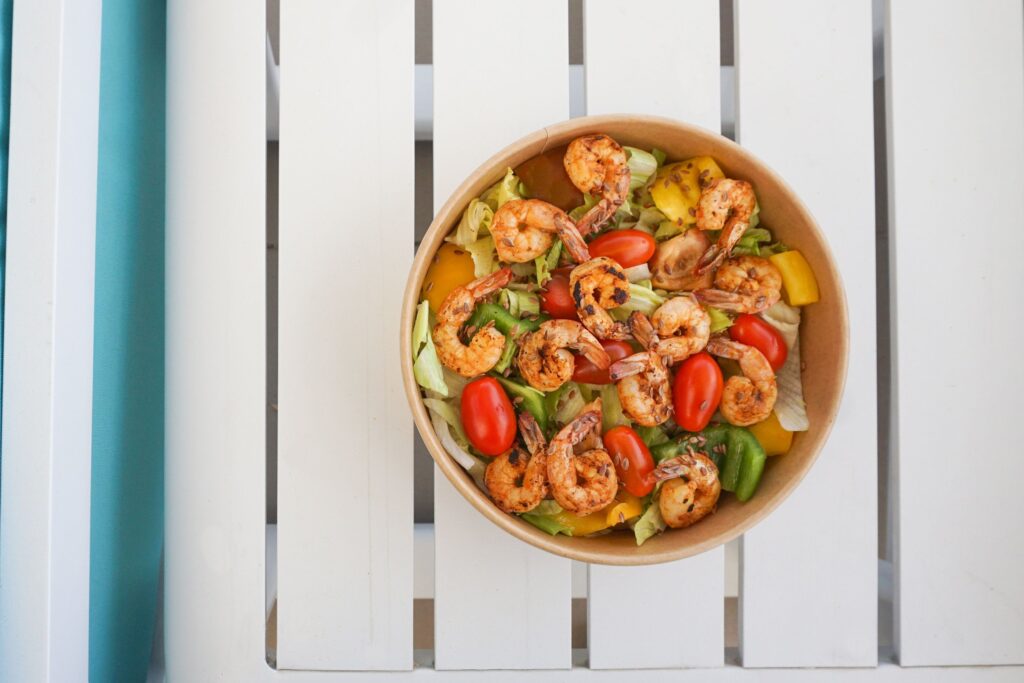
- Shrimp. Cooks in about three minutes, and a frozen bag is a lifesaver on busy nights. Toss it into stir-fries, tacos, or salads.
- Scallops. A little pricier, so think date-night protein. Sear them in a hot nonstick pan with a light coat of oil.
- Turkey and chicken breast. Skinless roasted breast gives 25.6 g (turkey) or 26.4 g (chicken) per 3 oz. Batch-roast a tray on Sunday and lunches get easy.
- Pork tenderloin. The lean surprise of the list at 22.2 g for 122 cal. Roast it whole and slice it thin.
- Egg whites. Carton whites make volume easy. A mix of one whole egg plus whites keeps the flavor and lowers the calories.
- Salmon. It carries more fat, so it lands mid-table at 14.0 g per 100 cal. Still a great dinner, just not a density champ.
Cooking method matters as much as the food. Grilling, baking, poaching, and air-frying keep things lean. Deep-frying and heavy pours of oil can quietly double the calories of an otherwise lean plate.
Takeaway: Lean animal proteins are easy wins as long as the cooking stays light.
Dairy and Convenient Staples
Dairy is the no-cook side of the list, perfect for breakfasts and snacks. For more grab-and-go ideas, see our list of low calorie high protein snacks under 200 cal.
- Plain nonfat Greek yogurt. A 170 g container has 17.3 g of protein for 100 cal. Flavored versions often add sugar, so compare labels or stir fruit into plain.
- Cottage cheese. Half a cup of 1% gives you 14.0 g for 81 cal. Prefer 2%? It still lands around 12.9 g per 100 cal, comfortably lean.
- Skyr. This Icelandic-style strained yogurt works much like Greek yogurt. Brands vary, so run the label math.
- Whole eggs. At about 8 g per 100 cal, they score lower than whites, but they’re cheap, filling, and bring nutrients from the yolk. Mixing whole eggs with whites is a nice middle ground.
- Milk. Skim milk sits just under the benchmark at 9.9 g per 100 cal. Ultra-filtered milks advertise more protein per cup, so check that label if you buy one.
These staples are also your easiest wins on hectic days: a yogurt cup or cottage cheese bowl needs zero cooking.
Takeaway: Plain beats flavored. Read the label once, then keep your favorites on repeat.
Plant-Based High Protein Low Calorie Options
Plant protein ranks a little lower on density, mostly because plants come packaged with carbs and fiber. That’s not a flaw. It just means portions run a bit bigger.
- Firm tofu. 17.3 g of protein for 144 cal per 100 g, or 12.0 g per 100 cal. Firmness and brand change the numbers, so check the package. Press it, cube it, and roast or air-fry for crispy edges.
- Tempeh. Fermented soybeans with a nutty bite, at 10.6 g per 100 cal. Crumble it into tacos or slice it for bowls.
- Edamame. A cup of shelled edamame brings 18.5 g of protein and about 8 g of fiber. Great as a side or a snack.
- Lentils, black beans, and chickpeas. They sit at 5.4-7.8 g per 100 cal, but a cup of cooked lentils also carries about 15.6 g of fiber, so they still earn a spot on the plate.
- Seitan. Made from wheat gluten and often very protein-dense, but there’s no matching USDA entry we’d stand behind, and brands vary a lot. Check the label, and skip it if you avoid gluten.
Combining helps. Tofu plus lentils, or tempeh over a bean salad, stacks protein while keeping calories reasonable. For a vegetable-by-vegetable ranking per cooked cup, see our list of vegetables high in protein.
Takeaway: Soy foods lead the plant pack. Beans and lentils trade some density for a lot of fiber.
Build a High Protein Meal for Weight Loss
You don’t need a full meal plan to make high protein meals for weight loss. Use a simple plate formula: a palm-size lean protein (about 4 oz cooked), half a plate of vegetables, a measured portion of starch, and a teaspoon of oil or a flavorful sauce. Here are four builds with USDA-based totals:
| Plate | What’s in it | Cal (about) | Protein (about) |
|---|---|---|---|
| Chicken plate | 4 oz roasted chicken breast, 1 cup cooked broccoli, 1/2 cup cooked brown rice, 1 tsp olive oil | 405 | 41.5 g |
| Shrimp stir-fry | 4 oz cooked shrimp, 1 cup broccoli, 1 cup red bell pepper, 1 tsp sesame oil, 1 tbsp low-sodium soy sauce, 1/2 cup cooked white rice | 355 | 33.2 g |
| Greek yogurt bowl | 170 g plain nonfat Greek yogurt, 1 cup strawberries, 1/4 cup rolled oats | 229 | 21.1 g |
| Tofu and lentil bowl | 150 g firm tofu, 1/2 cup cooked lentils, 1 cup cooked broccoli, 1 tsp sesame oil, 1 tbsp low-sodium soy sauce | 433 | 39.8 g |
Notice how the vegetables add volume for very few calories while the protein does the heavy lifting. Swap freely within a row: cod for shrimp, turkey for chicken, cottage cheese for yogurt.
Cooking your own recipes? Plug the ingredients into the recipe nutrition calculator to get calories and protein per serving. Want these plates strung into a full day? The 100 grams of protein a day guide shows how.
Takeaway: Protein anchor, lots of vegetables, measured starch. Repeat with whatever you like.
Get Dishco on iPhone
Pair Protein Density With High Volume Foods
Protein density and food volume are two different tools, and they work best together. A lean protein keeps the protein side efficient. Watery, fiber-rich vegetables, fruit, and broth-based soups add bulk to the plate for very few calories. Put them together and you get a meal that’s satisfying and still light.
Think chicken with a big roasted vegetable tray, shrimp over a heap of zucchini and peppers, or Greek yogurt with a cup of berries. If the volume side is what you want more of, our high volume low calorie foods list ranks the most filling picks, and the volume eating guide explains the idea behind it. Low calorie, high protein snacks may get their own list later, so we’re keeping this page to meals and staples.
Takeaway: Lean protein plus high-volume produce is the combo that keeps a deficit comfortable.
Logging Tips So the Numbers Stick
The table only helps if your portions match it. A few habits keep your numbers honest without turning dinner into homework:
- Weigh a few anchors once. Weigh a chicken portion, a scoop of yogurt, and a slab of tofu one time, and your eye gets good at estimating.
- Match raw vs cooked. Raw skinless chicken breast has about 22.5 g of protein per 100 g, while roasted has about 31 g, because water cooks off. Pick the database entry that matches how you weighed it.
- Scan packaged foods. Barcodes pull the exact label, which beats a generic entry for yogurt, tofu, or canned fish.
- Count the extras. Oil, dressing, and sauce are where most surprise calories hide.
Most food-logging apps let you scan barcodes and search by name, and some also accept photos or voice dictation. Use whatever you’ll keep doing. For the full method, including serving sizes and homemade batches, read how to track macros.
Takeaway: Weigh a few staples, match raw or cooked entries, and log the oil.
Common Mistakes
- Oil and sauce creep. One tablespoon of olive oil adds about 119 cal. That’s nearly a full chicken breast portion’s worth of calories with zero protein.
- Trusting “protein” on the wrapper. Many bars and snacks look lean and aren’t. A bar with 20 g of protein and 250 cal works out to 8 g per 100 cal, below skim milk. Run the math.
- Saving all your protein for dinner. A light breakfast and lunch leave a big gap at night. Spread protein across meals instead; one review suggests about 25-30 g per meal as a useful target.[1]
- Ignoring fiber. A plate of only lean meat is a small plate. Add vegetables, beans, or fruit for volume and fiber.
- Leaning on ultra-processed protein snacks. They’re fine now and then, but whole foods from the table above usually give you more for less.
Takeaway: Watch the extras, read the labels, and spread protein through the day.
FAQ
What food has the most protein for the fewest calories?
Among everyday whole foods on this list, canned light tuna, cod, egg whites, turkey breast, and tilapia lead at about 20-23 g of protein per 100 cal. Nothing real can beat about 25 g, since protein carries about 4 cal per gram.
What are the best protein rich foods for weight loss?
Lean seafood, skinless poultry, egg whites, nonfat Greek yogurt, and cottage cheese top the density chart. Tofu, tempeh, and edamame are the strongest plant picks. The best protein rich food for weight loss is the one you’ll eat consistently.
How much protein do I need to lose weight?
It depends on your body and health. The baseline adult RDA is 0.8 g per kg of body weight.[4] Research on higher-protein weight-loss diets often uses about 1.2-1.6 g per kg.[1] Ask your doctor first if you have kidney disease or another condition. For practical targets, see the 100 grams of protein a day guide or the Ozempic protein calculator.
Are high protein low calorie foods good for weight loss?
They can help, modestly. Higher-protein meals tend to feel more filling and help you keep a bit more muscle while you eat less, but the overall calorie deficit still does the work.[1]
Is chicken or fish better for weight loss?
Both are great. White fish like cod and tilapia edge out chicken breast on density (about 21 vs 19 g per 100 cal), while salmon has more fat. Pick what you enjoy.
What are good plant-based high protein low calorie foods?
Firm tofu, tempeh, and edamame lead. Lentils and beans rank lower on density but add plenty of fiber.
Do protein bars count as high protein low calorie?
Some do, many don’t. Divide protein by calories and multiply by 100. Under 10 is more of a treat than a lean pick.
How do I hit 100 g of protein without blowing my calories?
Anchor each meal with a food from the top of the table and add one protein snack, like Greek yogurt or cottage cheese. The 100 grams of protein a day guide has sample days.
Start With Density, Then Stay Consistent
Finding protein rich food for weight loss is mostly a math habit: divide protein by calories, favor foods near the top of the table, and pair them with plenty of vegetables. You don’t need perfect days. You need a few lean anchors you like, cooked simply, on repeat. Keep the formula in your back pocket: if a food clears 10 g of protein per 100 cal, it earns a main spot on the plate. If it doesn’t, it can still be a great side.
Pick two foods from the top tier and one from the plant section, and build this week’s lunches around them. Our high protein lunch ideas show 12 ways to do it, each with about 20 to 40 g of protein. When you want more variety, the healthy grocery list and the cheap healthy grocery list make shopping easy. Then let the habit do the rest.
Get Dishco on iPhone
Editorial Sources and Fact Checking
Dishco follows clear sourcing guidelines so you can trust what you read, outlined in our editorial policy. We use trustworthy sources, including peer-reviewed research, public health guidelines, and established health institutions.
Sources
- 1 The role of protein in weight loss and maintenance. The American Journal of Clinical Nutrition. 2015.
- 2 Effects of energy-restricted high-protein, low-fat compared with standard-protein, low-fat diets: a meta-analysis of randomized controlled trials. The American Journal of Clinical Nutrition. 2012.
- 3 FoodData Central: SR Legacy. U.S. Department of Agriculture, Agricultural Research Service. 2018.
- 4 Dietary Reference Intakes for Energy, Carbohydrate, Fiber, Fat, Fatty Acids, Cholesterol, Protein, and Amino Acids. National Academies (Institute of Medicine). 2005.