
If you’ve ever stared at a cart full of “healthy-ish” snacks and still had nothing for dinner on Wednesday, you’re not alone. A healthy grocery list works when it’s built around meals you’ll actually cook, not a random aisle scavenger hunt. Below you’ll find categorized staples, a free printable checklist, budget and weight-loss sections, plus a simple week framework you can reuse every shopping trip.
Quick answer: Shop fruits and vegetables, lean proteins, dairy and eggs, whole grains, healthy fats, pantry staples, and smart frozen backups. Print the pre-filled checklist, plan 4-7 dinners first, then shop once for the days ahead.
This isn’t medical advice. Personalize everything to your goals, activity level, and preferences. If you have a condition that needs clinical guidance, check with a qualified professional. The aim is a cart that feels good to cook from and keeps your everyday energy steady. So take what fits your life, shop the list, and leave the rest.
Plan Meals First (Then Build the List)
Plan the meals before you write a single grocery item. That sequence keeps impulse buys down and cuts food waste, because you’re shopping for dinners you already agreed to cook.
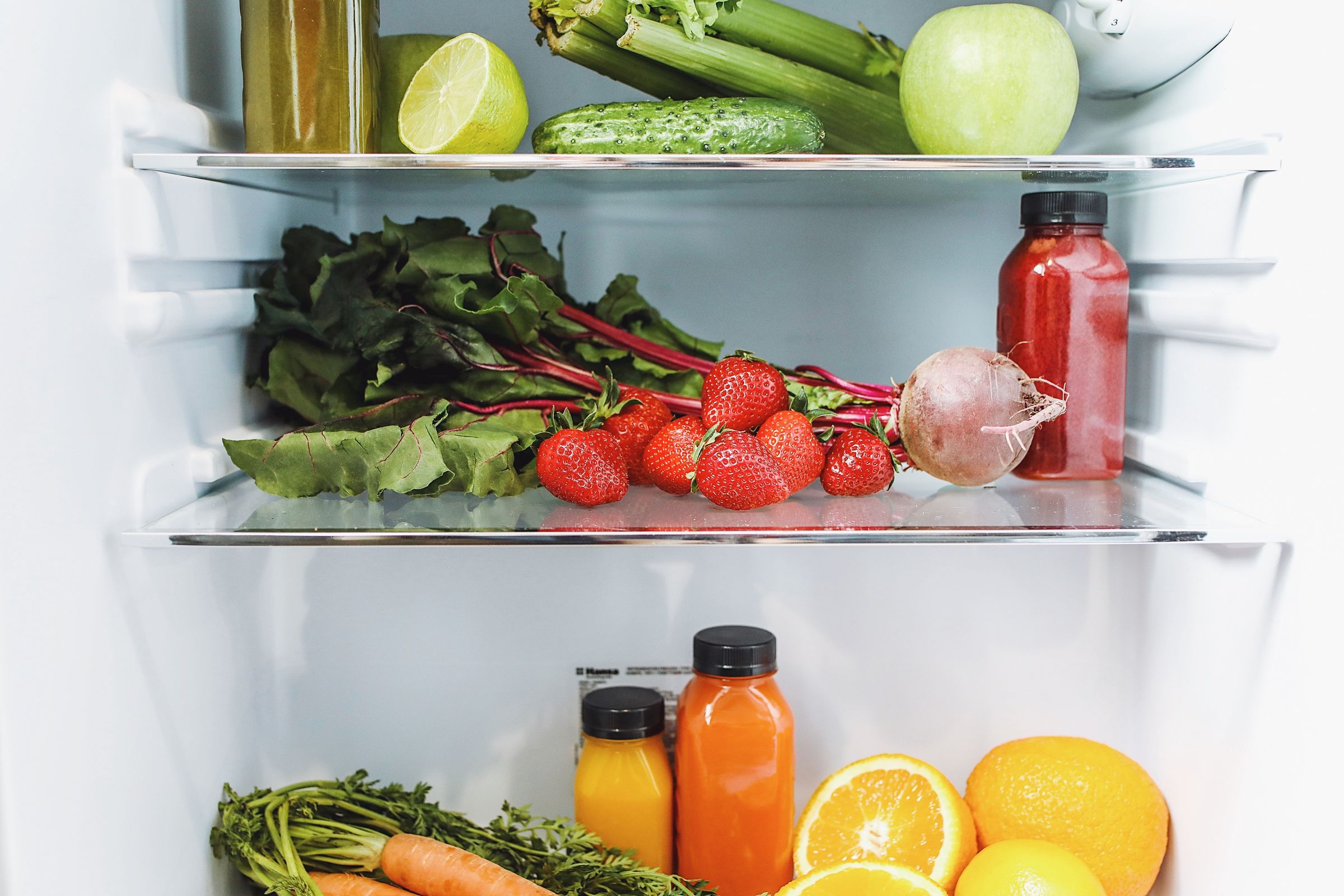
Here’s the busy-week flow that actually sticks:
- Pick 4-7 dinners (themes, not full recipes). Think sheet-pan chicken, taco bowls, salmon and vegetables, stir-fry tofu. Leave one night flexible for takeout so the plan doesn’t snap the first time life gets loud.
- Lock breakfast and lunch anchors you’ll happily repeat. Greek yogurt with fruit, eggs and toast, overnight oats, or a grain bowl you can remix.
- Check the pantry and fridge before you open a notes app. Cross off what you already have (half a bag of spinach, cooked rice, that jar of peanut butter).
- Only then build the shopping list by store section (fruits and vegetables, proteins, dairy, grains, pantry) so you’re not zigzagging the aisles.
A five-minute fridge inventory is the difference between buying a third bottle of olive oil and actually using the one on the door. Organizing by aisle also makes the run faster when you’re tired and tempted by every sample tray. When you’re ready to skip the sticky-note chaos, plan dinners first, then write the list from those meals so the cart matches what you’ll actually cook.
Healthy Grocery List by Category
Think of this as a curated starter cart: enough staples to cover real dinners, not an encyclopedia of every aisle. Grab what fits your meals; skip what won’t get eaten. Quantities lean solo-to-couple; double weeknight proteins if you’re feeding more.
Produce
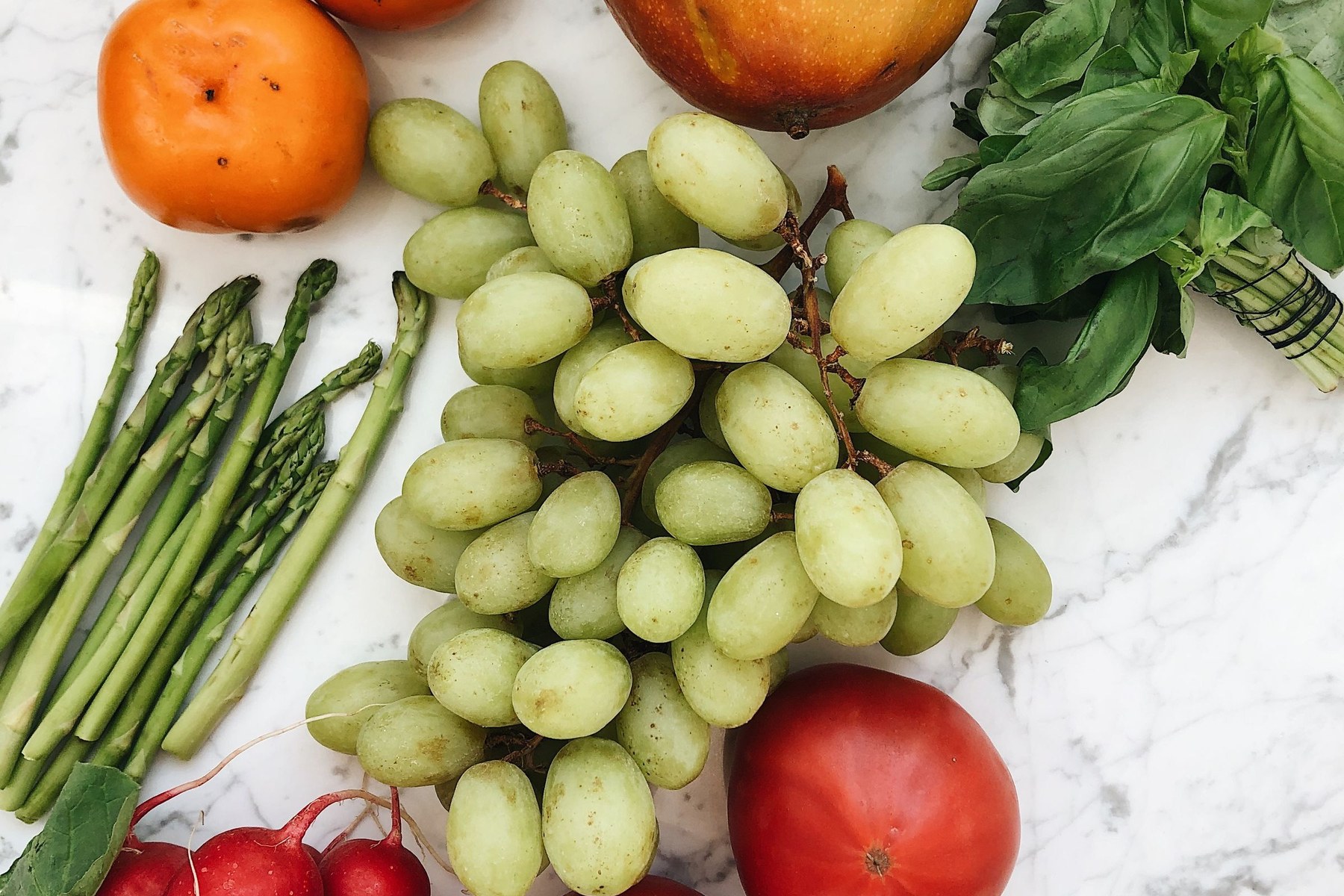
- Leafy greens (spinach, kale, romaine) for salads, wraps, and quick sautés
- Berries (fresh when they’re good, frozen when they’re not)
- Broccoli, bell peppers, cucumbers, carrots for volume and crunch
- Bananas, apples, and citrus as grab-and-go fruit
- Tomatoes, onions, and garlic as everyday flavor builders
- Fresh herbs if you’ll finish them soon (cilantro, parsley, basil)
If greens wilt fast, keep frozen spinach as backup.
Lean proteins
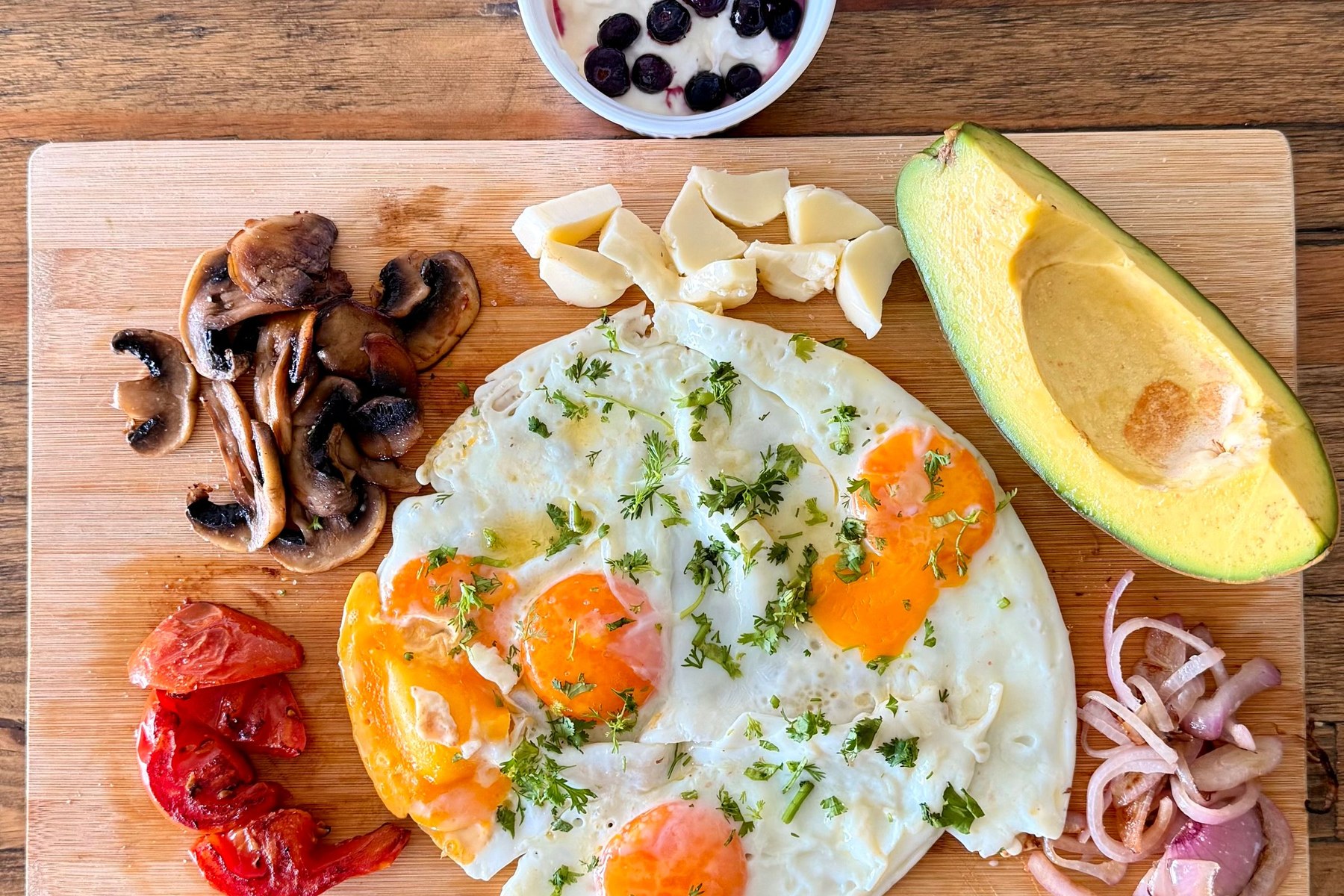
- Chicken breast or thighs (or a rotisserie when weeknights win)
- Ground turkey or lean ground chicken for bowls and tacos
- Salmon, white fish, or shrimp (fresh or frozen)
- Canned tuna or salmon packed in water
- Tofu or tempeh for plant-forward nights
- A dozen eggs (breakfast, lunch, and emergency dinners)
Rotate two or three options so packages don’t race the expiration date.
Dairy & eggs
- Plain Greek yogurt as a high-protein base for bowls and snacks
- Cottage cheese if that’s your texture
- Milk or a fortified unsweetened alternative
- A little cheese you actually enjoy (feta, cheddar); portion it, don’t ban it
- Eggs here too if you didn’t grab them with the proteins
Whole grains
- Rolled oats for breakfast and savory bowls
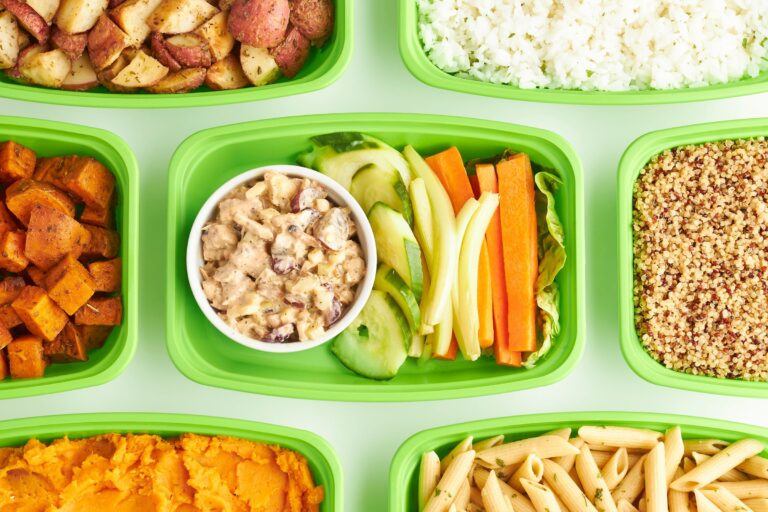
- Brown rice or quinoa as a dinner base you can batch once
- Whole-grain bread or tortillas for quick wraps
- Whole-wheat pasta or chickpea pasta if you like the swap
Batch grains once. Extra rice becomes an easy dinner later.
Healthy fats
- Extra-virgin olive oil for roasting and dressings
- Avocado for toast, bowls, and creamy texture
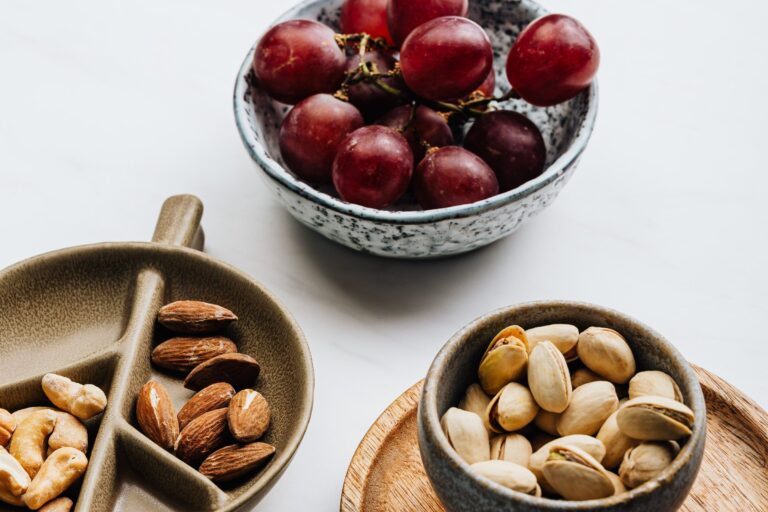
- Nuts (almonds, walnuts) and a jar of nut butter
- Seeds (chia, flax, pumpkin) for yogurt and oats
One olive oil plus a nut butter covers most cooking. Portions stay realistic: fats are satisfying, and that’s the point.
Pantry staples
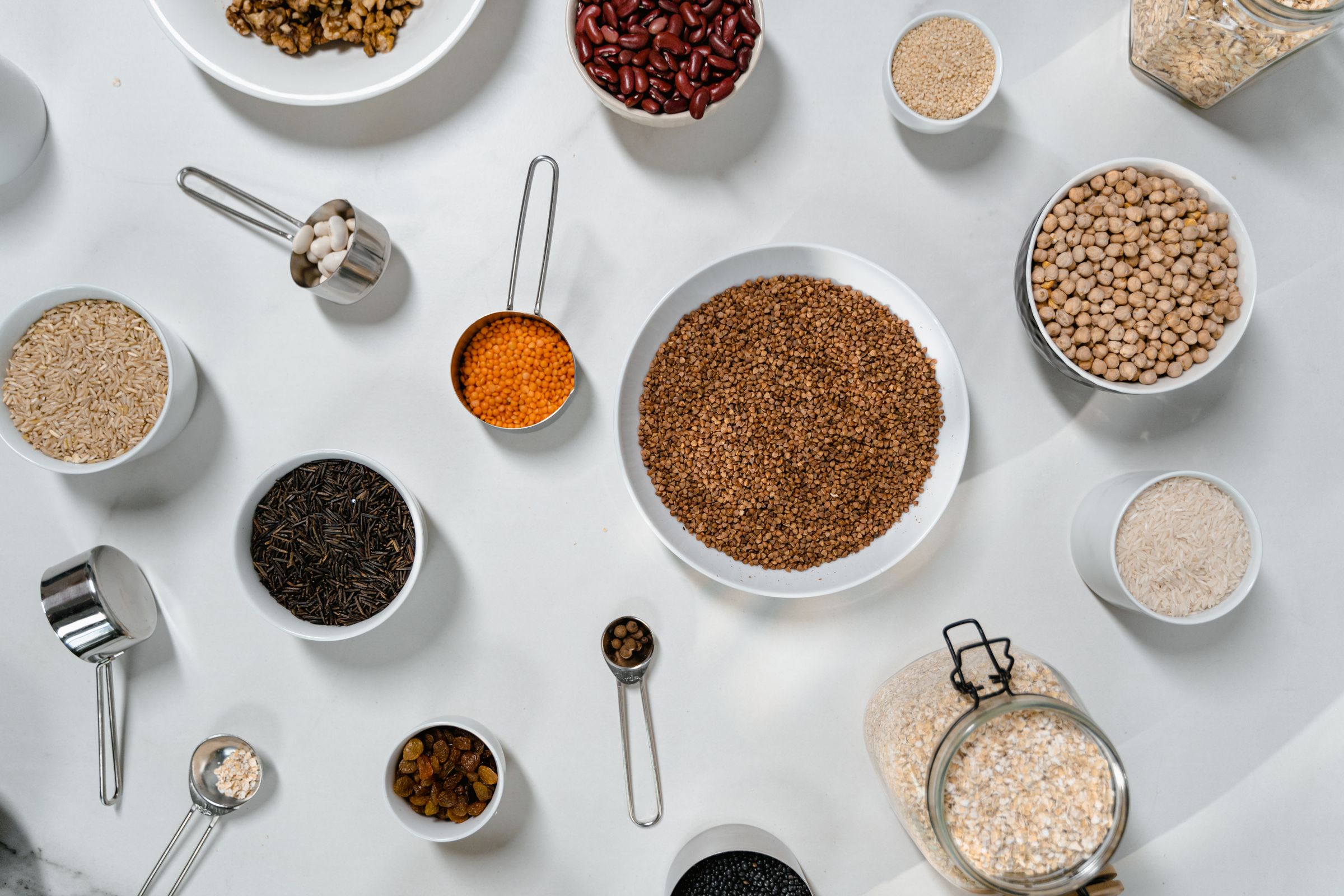
- Chickpeas and lentils (canned or dry), plus other legumes you like
- Canned tomatoes and tomato paste
- Low-sodium broth or stock
- Spices you actually cook with: chili powder, cumin, paprika, garlic powder, salt, pepper
- Vinegar or lemon juice for bright dressings
- A small wedge of Parmesan or pecorino for pasta and roasted vegetables (keep it with pantry flavor builders)
- Hot sauce or salsa for nights that need a personality
These turn “we have nothing” into tacos in fifteen minutes. A can of beans covers the gap. Restock spices when the jar is empty, not every trip.
Frozen
- Mixed vegetables, broccoli, or spinach for stir-fries and omelets
- Frozen fruit for smoothies and yogurt
- Fish fillets or edamame as backup lean proteins
- Frozen brown rice if nights get chaotic
Frozen isn’t a compromise. It’s a strategy against unused greens.
Beverages
- Still or sparkling water (flavored unsweetened if that helps you drink more)
- Coffee and your usual milk or unsweetened alternative
- Herbal or green tea bags for evenings and travel mugs
- Electrolyte packets or low-sugar sports drinks for workout days (optional)
- Kombucha or a small bottle of 100% juice if you actually finish them (portion, don’t stockpile)
- Skip the fridge full of sugar-sweetened sodas as the default daily drink
Build beverages around what you drink on a normal Tuesday, not a fantasy wellness haul.
Condiments
- Mustard, hummus, soy sauce or coconut aminos
- Oil-and-vinegar dressing ingredients instead of mystery bottles
- Salsa, hot sauce, or chili crisp you reach for weekly
- A short scan on labels usually catches sneaky sugar and sodium
Keep condiments short. If a bottle hasn’t moved in two months, don’t buy a backup.
Optional snacks
- Popcorn kernels or lightly salted popcorn
- A bar of dark chocolate (not a warehouse case)
- Rice cakes or whole-grain crackers
- Extra hummus with cut vegetables you already prepped
- Trail mix or a small bag of roasted chickpeas
- Apple slices with nut butter, or Greek yogurt cups for grab-and-go
- String cheese or a couple of hard-boiled eggs if protein snacks keep you out of the 4 p.m. spiral
- Freeze-dried fruit or roasted seaweed if those are your actual cravings
Snacks belong if you’ll eat them mindfully. Empty shelves tend to send you into the gas-station spiral.
That’s the lite cart: filling meals, not a magazine aisle inventory.




Get Dishco on iPhone

Free Printable Healthy Grocery List Checklist
Want this on the fridge and in your Notes app? Grab the free printable checklist below. It’s pre-filled with the categories above (produce through snacks), not a blank grid that leaves you guessing what “be healthy” means at 6 p.m. Check off what you need, jot swaps in the margins, and bring the paper to the store or screenshot it for your phone.
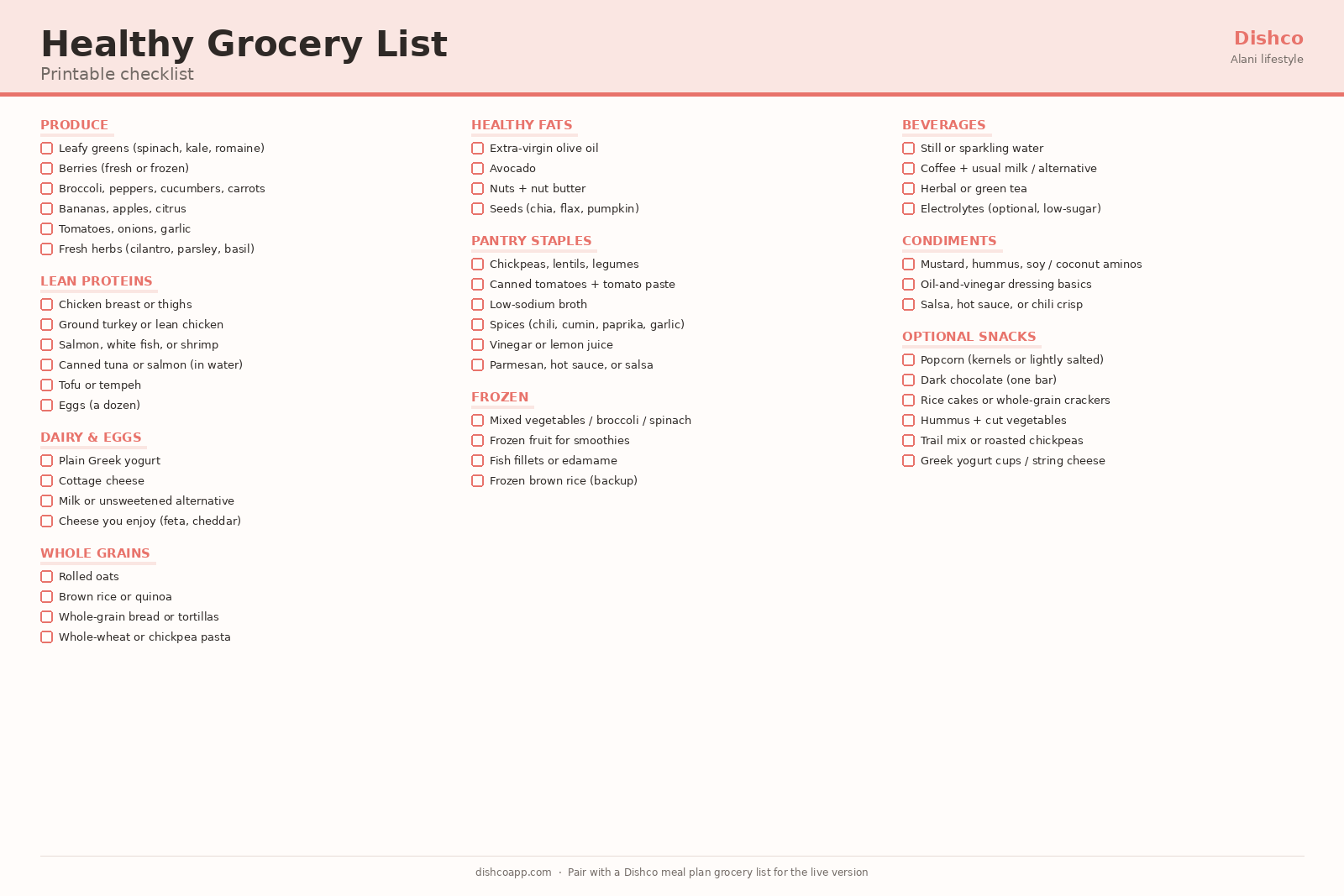
Download the printable PDF checklist (one-page pre-filled Healthy Grocery List). Print it, stick it on the fridge, and check boxes as you shop.
The checklist mirrors the categorized staples so you’re not rewriting the same lines every Sunday. Keep a digital copy too, then you can tweak the next run without starting from zero. If you share a household, one printed sheet beats three conflicting group chats about whether anyone bought oats.
When you want a list that matches this week’s dinners (not another static note you’ll ignore), plan the meals first, then rebuild the checklist from those meals. Keep the printable on the fridge; update a phone note midweek so the cart stays honest.
Turn This List Into a Week of Meals
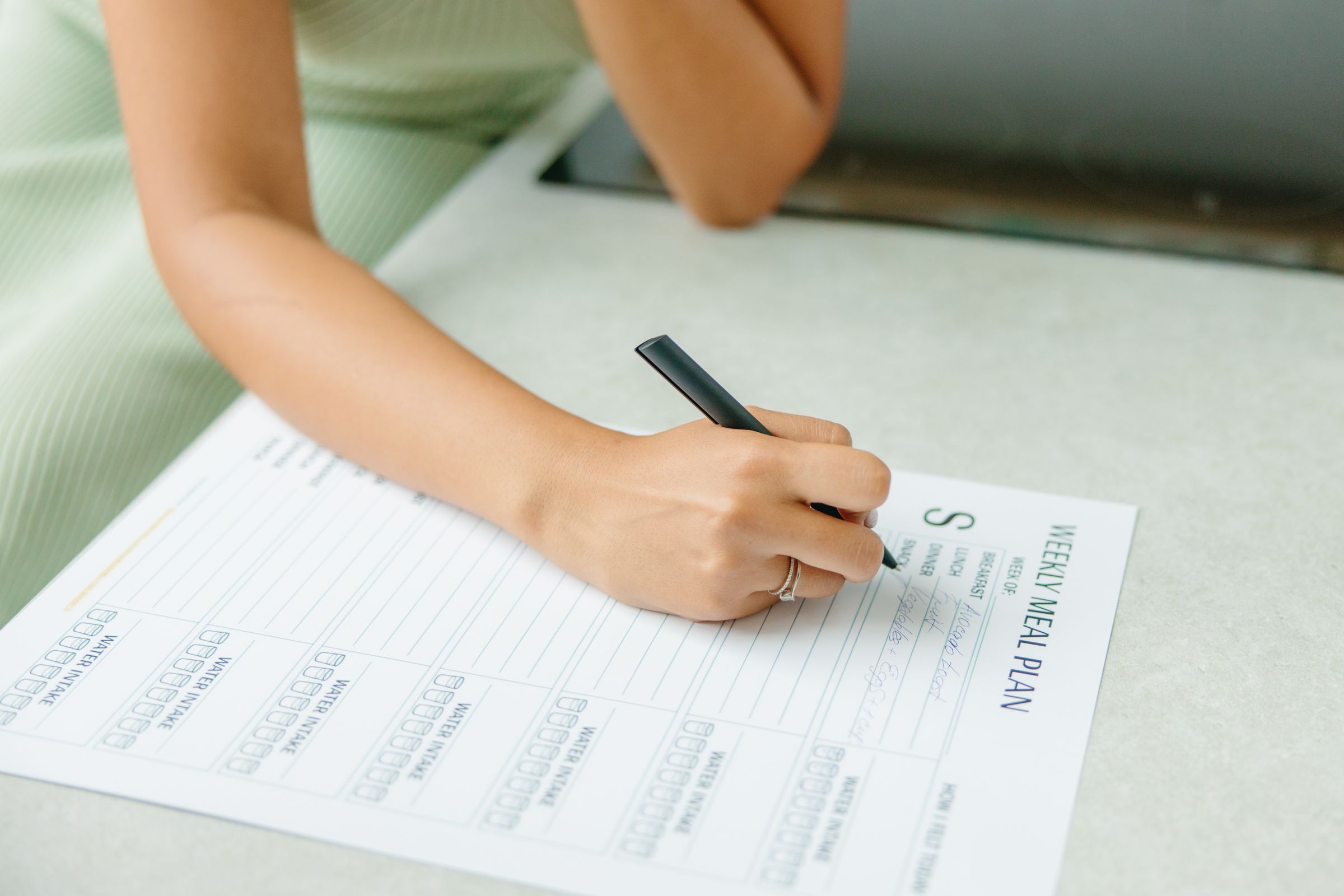
A categorized cart only helps if it turns into dinners. Here’s a simple week of meals pattern that reuses overlapping ingredients so you shop once and cook without a second trip. This is the piece most list articles skip, and it’s what makes the store trip feel calm instead of chaotic.
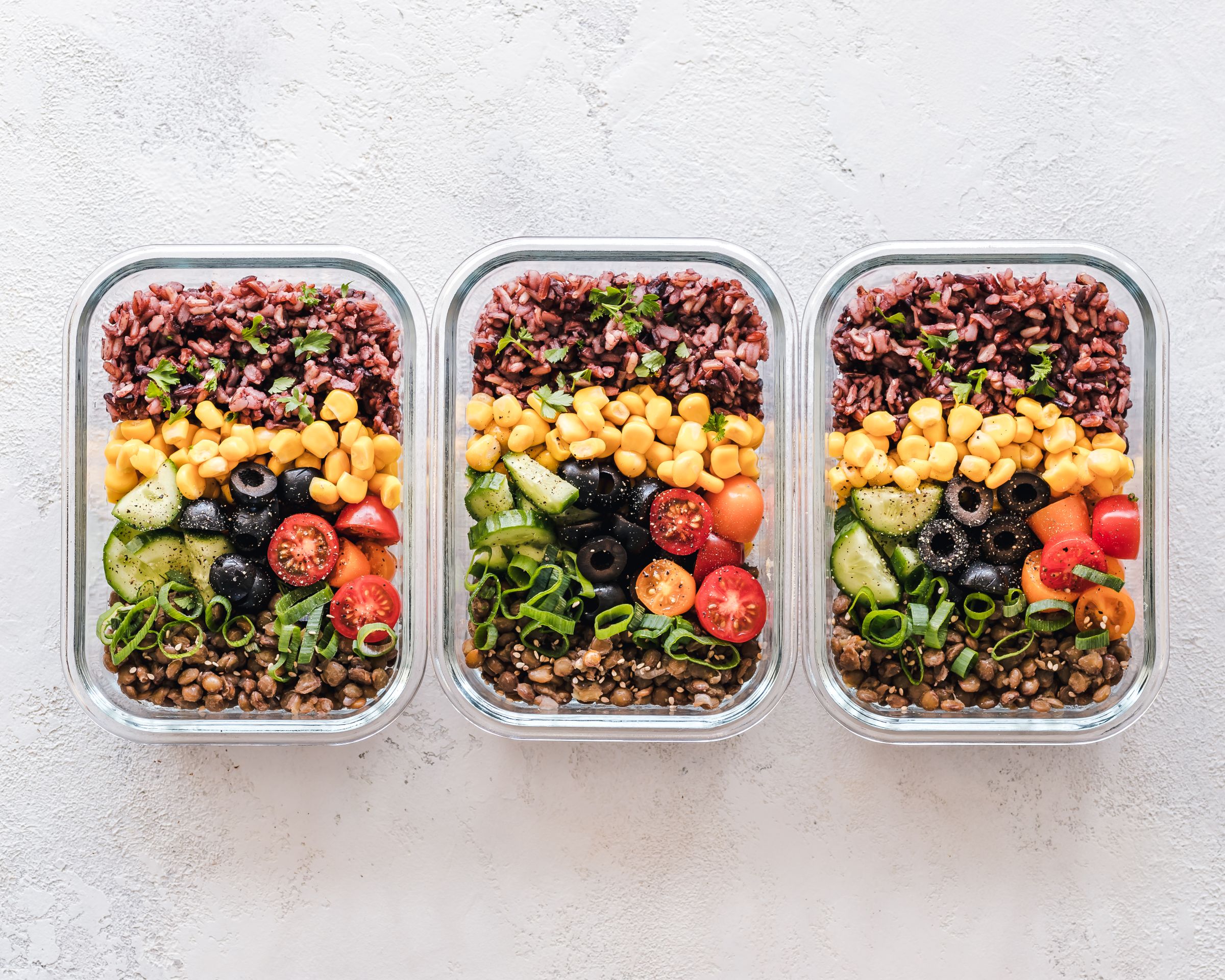
Dinner themes (pick 4-5 nights):
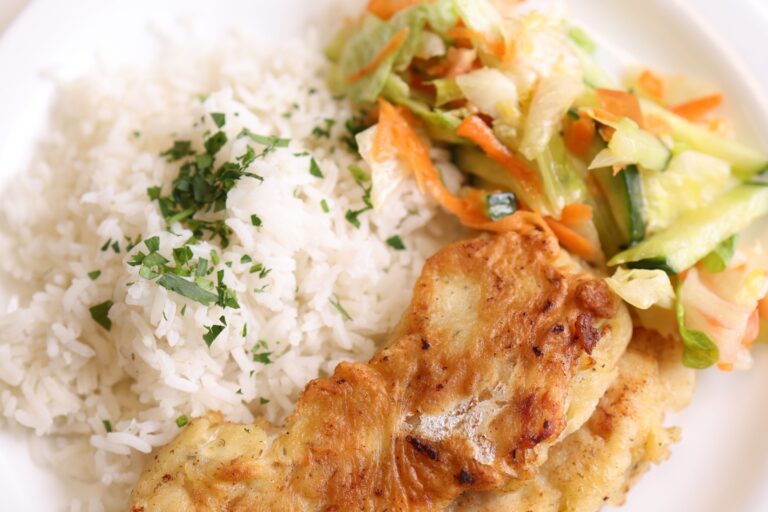
- Sheet-pan poultry night: chicken with broccoli and peppers; olive oil, paprika, garlic. Leftovers become lunch bowls with a scoop of grains.
- Taco or burrito-bowl night: ground turkey or chickpeas, salsa, greens, rice or tortillas, Greek yogurt as a cool topping.
- Salmon (or white fish) with vegetables: frozen fillets are fair game; pair with a bagged salad and microwave rice when you’re wiped.
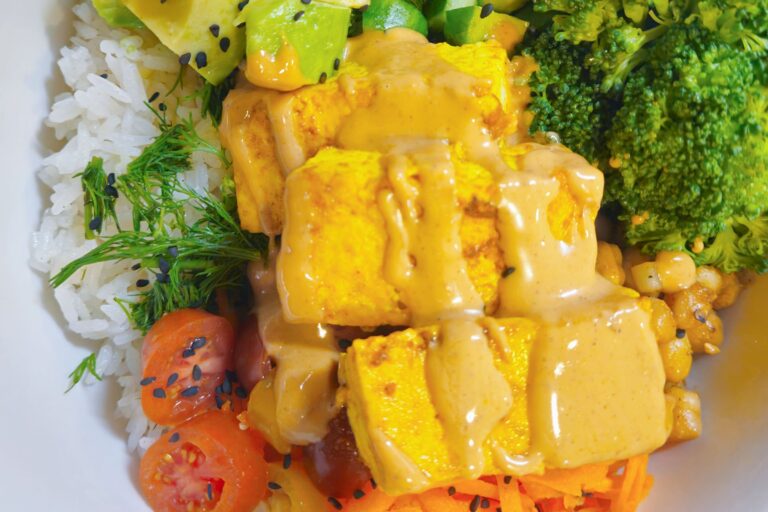
- Stir-fry tofu or chicken: frozen vegetable mix, soy sauce or coconut aminos, rice from night one.
Breakfast defaults (repeat): Greek yogurt with berries and a sprinkle of oats or nuts; or scrambled eggs with toast and fruit. Pick one lane and stop renegotiating every morning.
Lunch defaults: Remixed dinner bowls, or a big salad with chickpeas, tuna, or extra chicken, plus fruit on the side.
Shop-once overlap: One pack of chicken covers sheet-pan and stir-fry. One tub of Greek yogurt covers breakfast and taco night. Spinach shows up in eggs, bowls, and sides. Oats and berries pull double duty at breakfast. Chickpeas and lentils stretch taco night without another protein buy. That’s how a week of meals stays affordable without tasting like the same plate seven times.
Solo shoppers can buy smaller packs and lean harder on eggs, cans, and frozen fish. Cooking for two? Double the proteins and keep fruits and vegetables generous. Yesterday’s dinner is still lunch, and that’s the point of the weekly framework. Shop once, cook from overlap, and stop rewriting the cart midweek.
When you want the framework without rewriting it every Sunday, reuse the same dinner skeleton and only swap proteins or sauces. Rebuild the grocery list from those meals so the cart writes itself from the plan.
Get Dishco on iPhone
Cheap Healthy Grocery List Tips (Shop Healthy on a Budget)
Eating well on a budget is mostly timing and swaps, not a sad cart of sad meals. Use these tips to keep affordable staples in rotation that still feel like food you want to cook and eat.
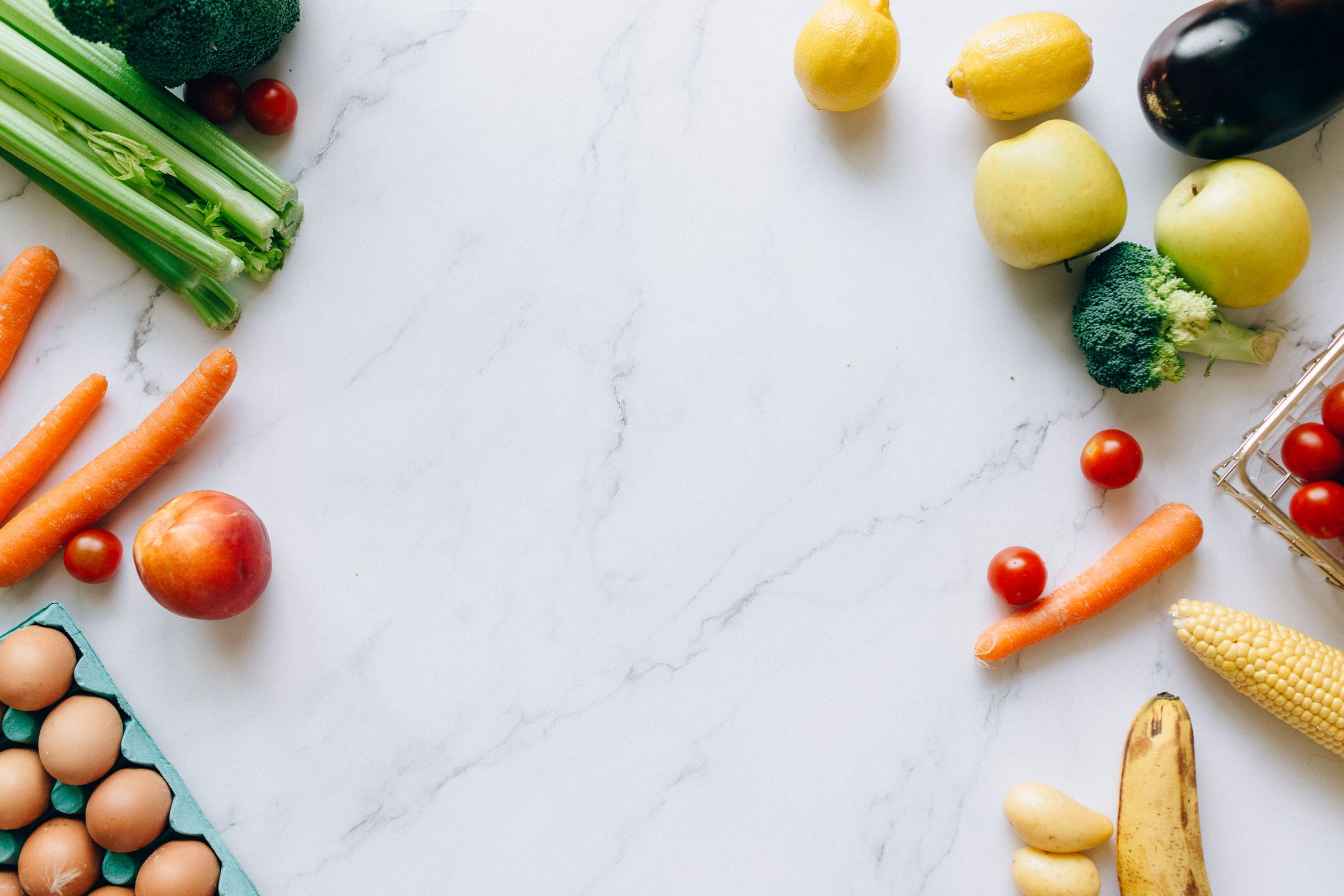
- Buy fruits and vegetables in season (or frozen when prices spike). Berries in winter? Frozen often wins on price and against wilted greens.
- Treat frozen and low-sodium canned as equals for weeknight cooking. Broccoli is still broccoli in a stir-fry.
- Choose store brands for oats, chickpeas, yogurt, rice, and frozen vegetables. The label looks different; the bowl usually doesn’t.
- Buy dry lentils and grains in bulk when you’ll use them. A bag of dry legumes is still one of the cheapest fiber-and-protein combos in the store.
- Lean on eggs and oats as weekly anchors. They’re affordable, flexible, and hard to mess up on a low-energy night.
- Shop your pantry first so you’re not rebuying spices and oil every trip. That’s quiet budget bleed.
- Plan one “use-it-up” meal midweek for wilting greens and half cans. Cutting unused food is free money.
Healthy on a budget isn’t about deprivation. It’s about repeating staples that taste good, fill you up, and don’t punish your cart total. If a store-brand swap saves a few dollars and you still like the meal, that’s a win worth keeping. No shame, no sad-cart energy required. For the deep-dive sample ~$50 cart and printable budget checklist, see the cheap healthy grocery list spoke.
Healthy Grocery List for Weight Loss
If weight loss is on your mind, build the cart around satiety (steady protein, fiber, and volume from fruits and vegetables) so you’re not white-knuckling between meals. This is lifestyle fitness: feeling good in your clothes and your energy, not a cut-phase lecture.
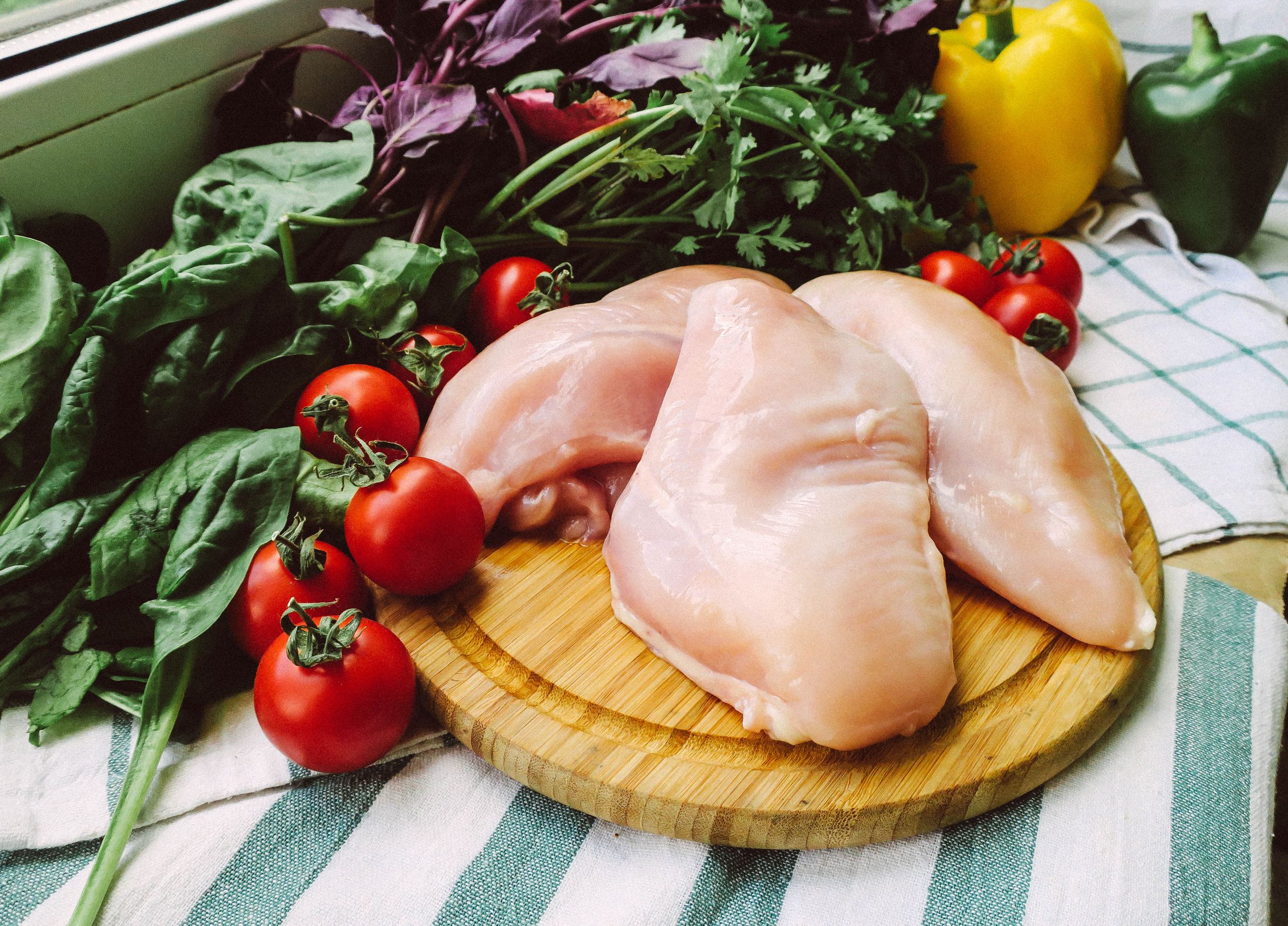
Prioritize in the cart:
- Lean proteins at most meals (eggs, Greek yogurt, poultry, fish, tofu, tuna, lentils)
- High-volume picks like leafy greens, cucumbers, berries, and broccoli so plates look abundant
- Fiber-forward carbs (oats, chickpeas, whole grains) that keep energy steadier through the afternoon
- Healthy fats in normal amounts (olive oil, avocado, nuts) so food tastes satisfying enough to stop at full
Limit without moralizing: sugar-sweetened drinks, ultra-processed snack piles you eat by the bag, and “health halo” bars that are basically candy in nicer packaging. You don’t need a banned-foods list. You need a fridge that makes the easier choice the default when you’re tired.
Pair this section with the dinner themes above so dinners already lean protein-forward without another spreadsheet. Personalized targets aren’t one-size-fits-all; adjust portions to your activity and how you feel day to day. If you want individualized clinical guidance, work with a qualified professional. This page is a shopping system, not a prescription. Steady energy and satiety beat extreme carts you abandon by Tuesday.
Get Dishco on iPhone
Fresh, Frozen, or Canned (and How to Read Labels)
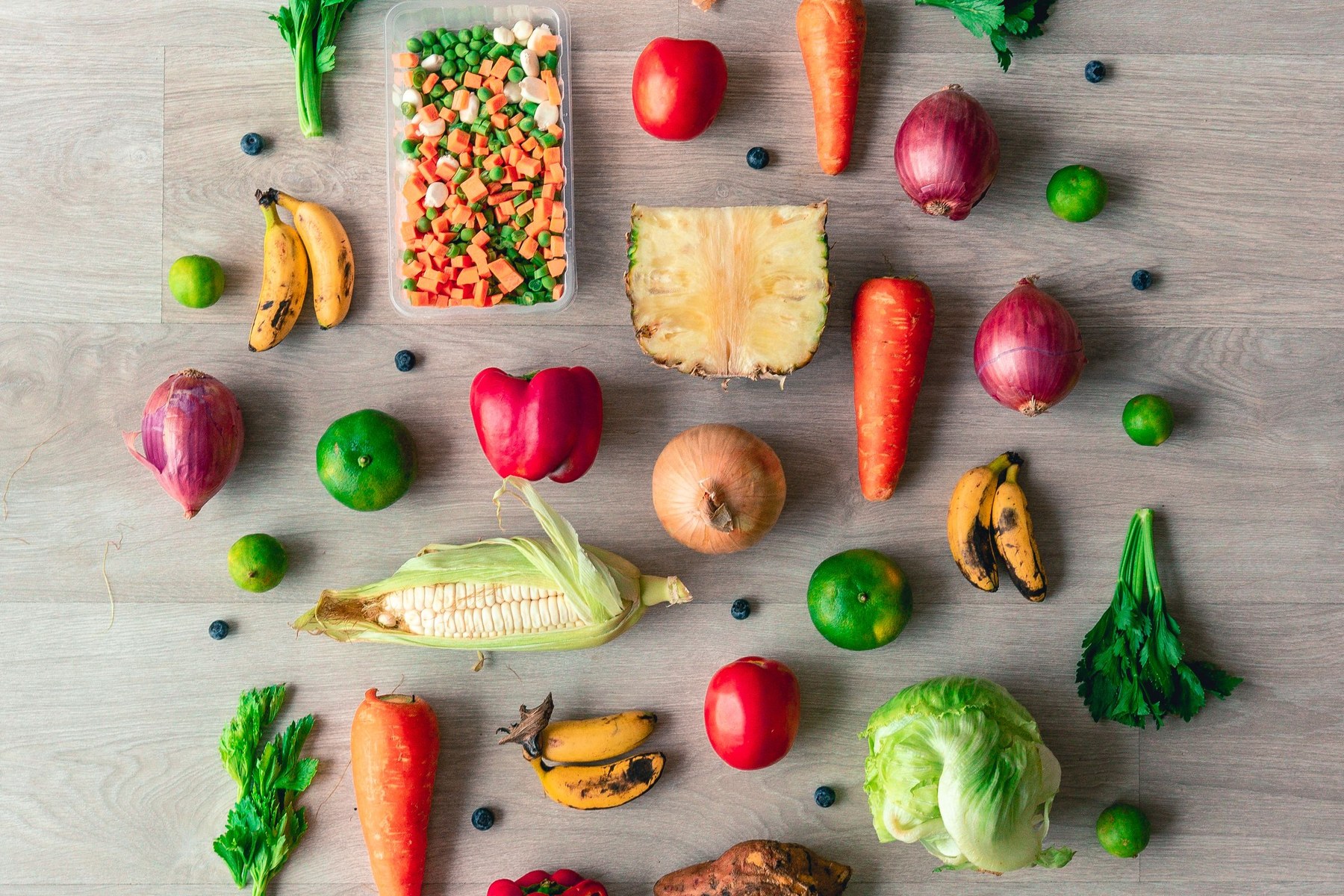
Fresh isn’t automatically better. Frozen fruits and vegetables are often picked ripe and flash-frozen, so nutrition stays solid, especially for berries, spinach, and broccoli you’ll cook anyway. Canned chickpeas and tomatoes are weeknight heroes; choose low-sodium versions or rinse when you can. The fresh vs frozen debate is less dramatic than social media makes it sound.
Quick label scan (about 30 seconds):
- Check protein and fiber first if staying full is your goal
- Glance at added sugar on yogurts, sauces, and drinks
- Note sodium on canned and packaged foods you use often
- Ignore front-of-pack buzzwords; the nutrition facts panel is the receipt
You don’t need to memorize every number on nutrition labels. A short habit beats a perfect spreadsheet you’ll abandon by aisle three. Compare two similar jars with the same serving size, pick the one that fits your cooking, and move on. Fresh, frozen, or canned can all earn a spot when they match how you actually cook.
Frequently Asked Questions
What should be on a healthy grocery list?
Start with produce, lean proteins, dairy and eggs, whole grains, healthy fats, pantry staples (chickpeas, tomatoes, spices), frozen backups, simple beverages, and condiments. Add snacks you’ll actually portion. Build from meals you’ve planned so the list matches your dinners.
What are the cheapest healthy grocery staples?
Eggs, oats, chickpeas, frozen vegetables, bananas, carrots, peanut butter, rice, and store-brand yogurt or milk usually stretch farthest. Seasonal picks and store brands help without punishing dinner.
Is fresh or frozen produce better?
Neither wins every time. Fresh is great in season when you’ll eat it soon. Frozen is often equal for cooked meals and better against unused greens. Mix both.
What is the 5-4-3-2-1 grocery rule?
It’s a simple heuristic some people use to balance a cart. Treat it as optional. Your meal plan should drive quantities more than a mnemonic. Use it if it helps; skip it if it stresses you out.
How do I grocery shop healthy on a budget?
Plan meals first, check the pantry, buy seasonal or frozen vegetables, choose store brands, lean on eggs and oats and lentils, and reuse ingredients across dinners. A list you follow beats wandering hungry.
Can I get a printable healthy grocery list PDF?
Yes. Use the free printable checklist in this article. It’s pre-filled by category for paper or a phone screenshot. Pair the PDF with your week plan so you’re not printing a blank template. Rebuild the list from this week’s meals whenever the plan changes so the cart stays current.
What is the healthiest grocery list for weight loss?
There’s no single winning cart. A useful pattern is protein, fiber, and volume vegetables at most meals, with whole grains and healthy fats for staying power. Prioritize fullness, limit sugar-sweetened drinks, and personalize portions.
Do I need organic food to eat healthy?
No. Organic is a preference and a budget choice, not a requirement. Focus on eating more plants, cooking at home, and a list you’ll stick to.
How do I read nutrition labels when grocery shopping?
Flip the package. Scan serving size, protein, fiber, added sugar, and sodium. Compare similar products on the same serving basis. Front-of-pack claims are marketing.
How often should I update my grocery list?
Rebuild it whenever you plan the next meals, usually on a weekly rhythm. Keep a phone note for midweek add-ons so you don’t invent a second full shop. Update after a fridge check to avoid duplicates.
Get Dishco on iPhone
Put This List to Work This Week
You’ve got the categorized staples, the printable checklist, and a shared-ingredient framework. The last step is turning that healthy grocery list into something that updates with your actual meals, not another static note you’ll ignore by Thursday.
Pick 4–7 dinners you’ll actually cook, pull ingredients onto the printable checklist, and shop once. Cross off pantry items you already own so you don’t buy duplicates. Midweek, glance at the fridge and add only what you still need. That’s meal planning with a cart attached: fewer forgotten ingredients, less unused food, and a Friday fridge that still makes sense after a long week.
Personalize to your goals and schedule. This article is educational, not medical advice. If you need clinical nutrition guidance, work with a qualified professional. For everyone else: plan the meals, print the checklist, shop once, and keep the list honest when plans change. Your cart should match your real life this week, not a fantasy aisle haul you never cook.