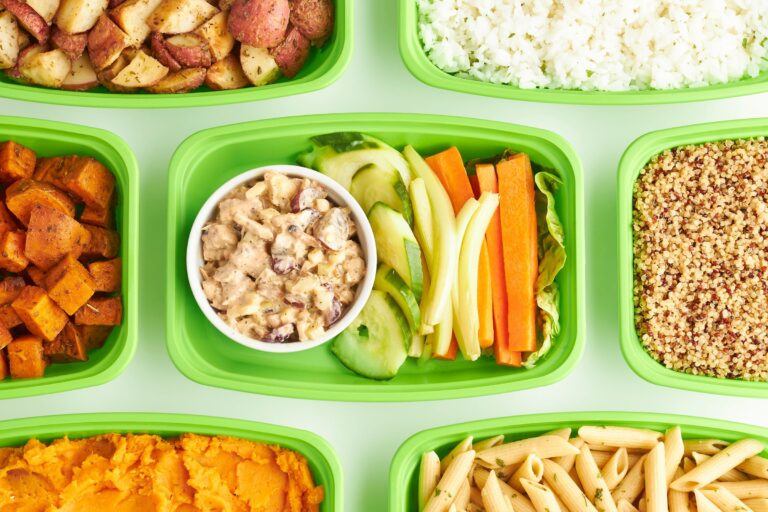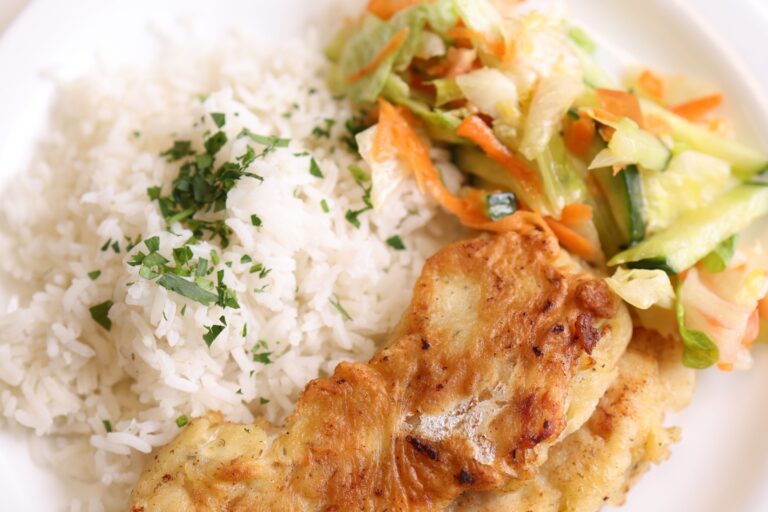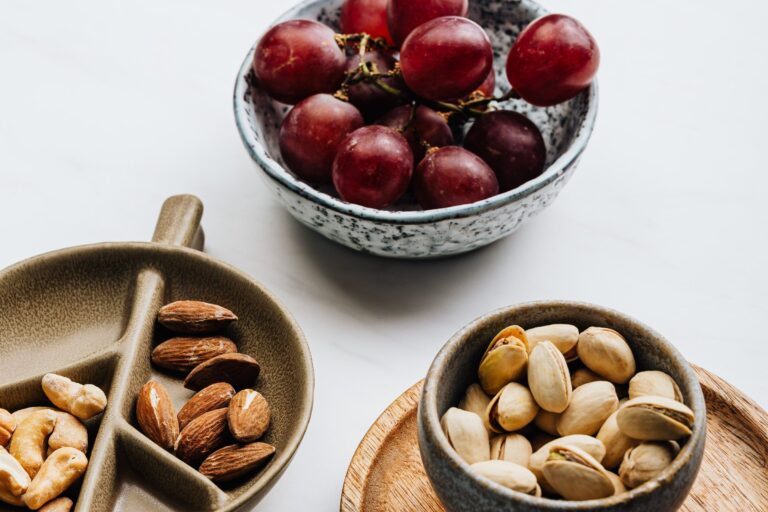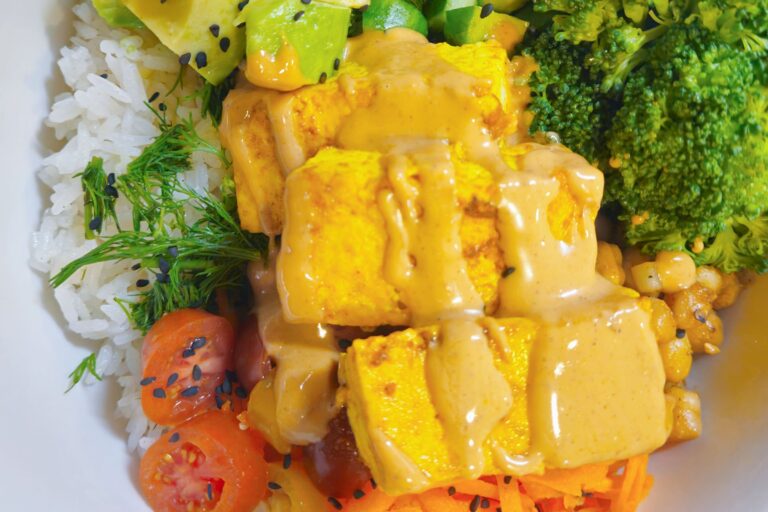

If your plates feel small and you are still hungry an hour later, people usually ask what is volume eating because they want bigger, more colorful meals that still fit the day. This page covers the definition, a calorie density table you can use at the store, and a reusable volume plate, plus how to notice fullness after meals.
Quick answer: Choose lower energy-density foods so portions look and feel bigger for fewer calories. Use the density decision table, build a volume plate (half veg, protein, optional starch, measured fats), and log how full you feel. This is the concept layer, not a second ranked food list.
This is not medical advice. Needs vary by body, activity, and history with food. Soft note: if eating feels stressful or controlling, pause and talk with a qualified professional. For a companion ranked HVLC list (usable foods plus day builds), see the high volume low calorie foods guide. Take what fits your kitchen, leave the rest, and treat this as a calm decision map for weeknights when dinner and grocery runs both feel loud.
What Is Volume Eating?
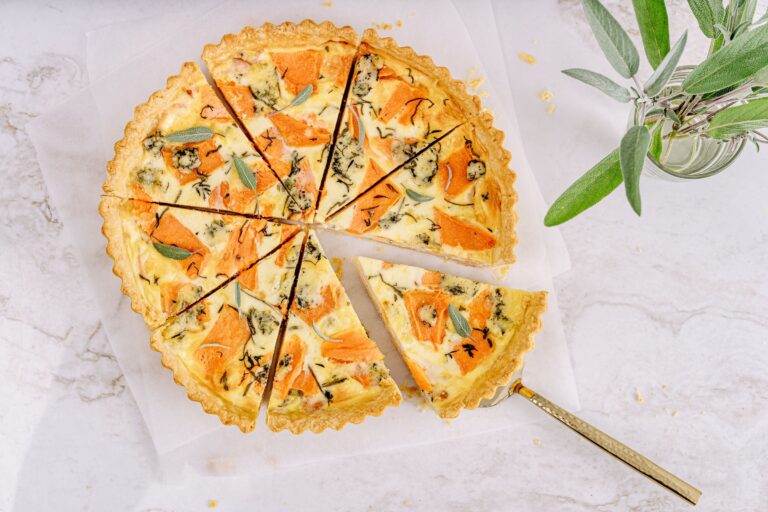
This habit is a way of building meals around foods that take up more space for fewer calories, so the plate looks generous while the math stays calmer. It is not a branded challenge week and not a personality makeover. It is a grocery and plating practice: lean on water, fiber, and sometimes air so you get more chew and more visual fullness per bite.
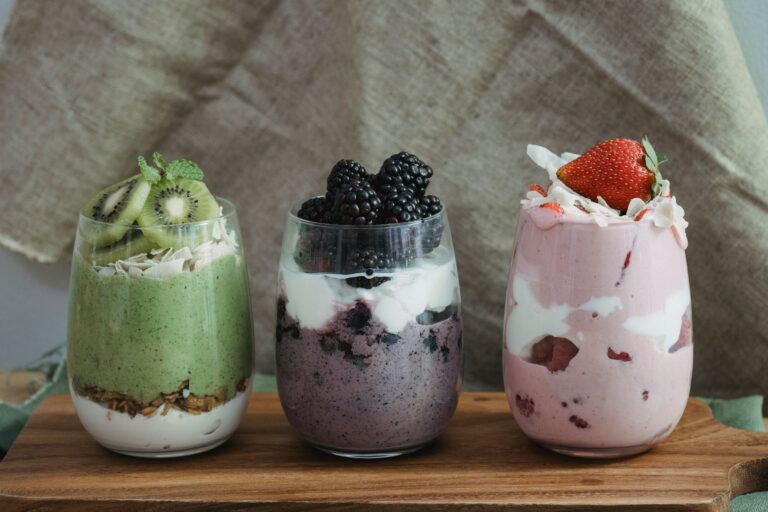
Energy density is the core idea.[1] Foods with lots of water and fiber (think non-starchy vegetables, broth-based soup, high-water fruit) spread calories across a bigger volume.[2] A large salad can feel more satisfying than a small calorie-dense snack at a similar calorie count because your eyes and stomach register size, crunch, and time spent eating. Airy foods like air-popped popcorn play a similar role for snacks when you want crunch without a dense handful of chips.
You may hear a brief nod to Volumetrics, the research-backed idea of choosing lower-calorie-per-bite foods so portions can stay satisfying in a deficit. You do not need a named diet program to use it. You need density judgment, a lean protein habit, and honesty about dressings and oils. Satiety still depends on protein and fiber, not watery bulk alone. When those pieces show up together, the approach stops sounding like a trend and starts sounding like a weeknight default you can actually keep. Think of it as plating literacy: same hunger cues, smarter grocery choices, and bowls that look abundant without pretending calories disappeared.
How to Tell Calorie Density (Decision Table)
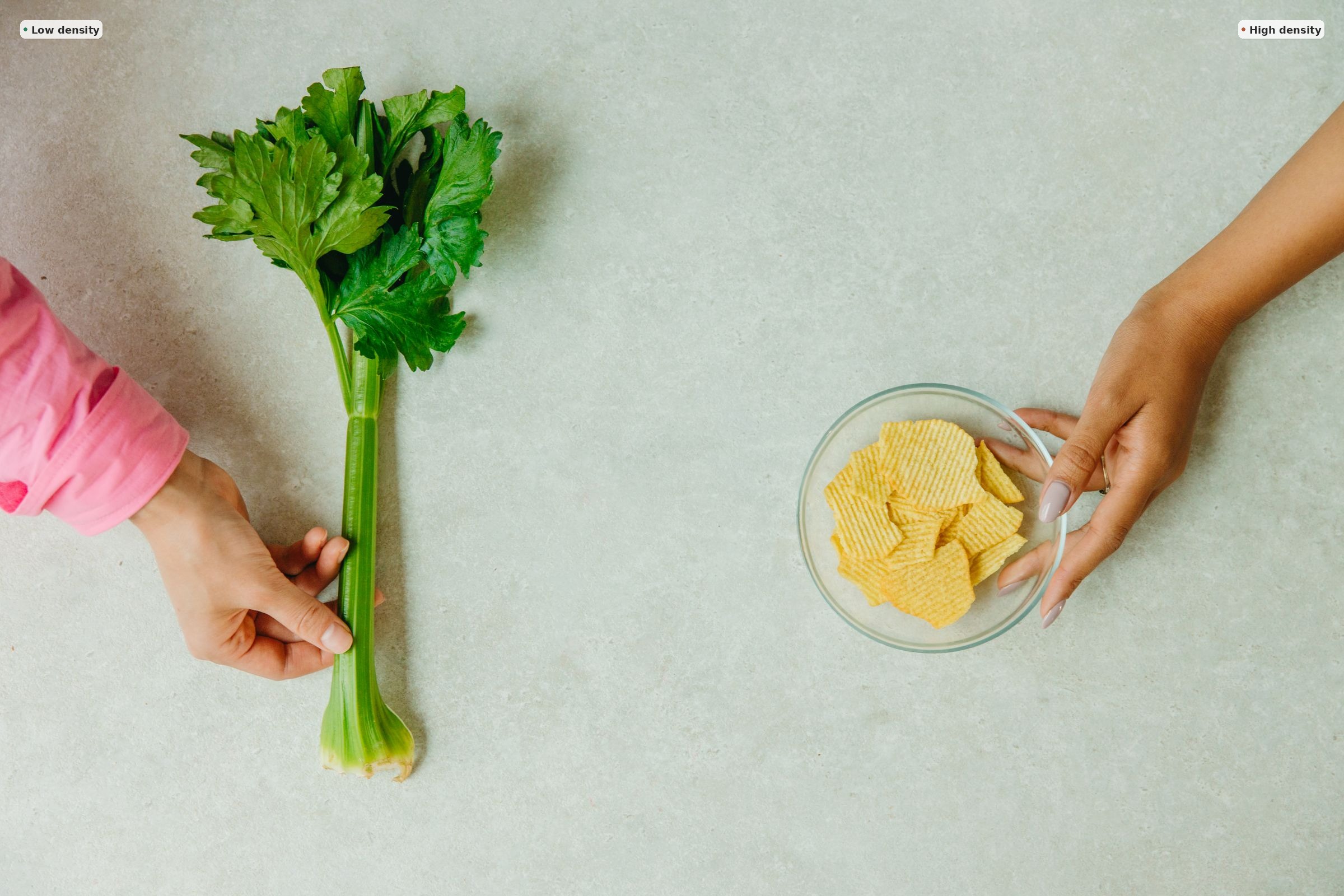
A calorie density table is literacy, not trivia. Use it to sort foods into bands so you can build plates without memorizing every label. Scan Category, What it means, Plate cue, and Watch-outs. This is a decision table for judgment at the store and stove, not a cucumber-to-shrimp ranked cal list. For the companion ranked HVLC table with servings and calories, see the high volume low calorie foods guide.
| Category | What it means | Plate cue | Watch-outs |
|---|---|---|---|
| Very low density | Few calories for a large volume; mostly water and fiber | Load half the plate or more (non-starchy vegetables, broth-based soup) | Cream soups and heavy cheese toppings erase the win |
| Low density | Still generous volume with a modest calorie cost | Fruit sides, lean dairy, air-popped popcorn, big salads | Sweetened yogurt, buttered popcorn, juice as a “free” drink |
| Moderate density | Useful fuel; portion still matters | Quarter-plate grains, starchy veg, legumes, lean meat or fish | “Healthy” bowls that stack rice, dressings, and cheese without measuring |
| High density | Many calories in a small amount | Keep to measured spoons or small handfuls | Oils, nuts, fried foods, candy, creamy sauces, regular dressings |
Energy density language helps on autopilot: if a food is mostly water and fiber, it usually belongs in the very low or low band. If it is mostly fat or refined sugar, it lands high. Fiber supports fullness; fat raises density fast. That is why dressings and oils deserve their own line in the watch-outs column even when the base salad looks perfect on Instagram.
Use the table as a judgment tool, not a morality score. Moderate foods are not the enemy. They are the fuel band that keeps training and busy days from feeling empty. High-density foods are not banned; they are measured. When you can name the band on sight, you stop guessing and start plating on purpose. That skill is the point of this section, and it is what thin “what is” pages usually skip. Keep a mental screenshot of the four bands next time you open the fridge, and let the plate cue column do the work before the watch-outs column has to.
Volume Eating for Weight Loss
Bigger plates support fat loss when high-volume foods replace denser defaults, not when you add a huge salad on top of the same pizza night and call it even. Replace-not-add is the whole game. You still need a calorie deficit for weight loss.[3] Volume is a tool that makes the deficit feel less punishing, not a free pass to graze without noticing totals.
Keep a clear lean protein cue on every plate. Chicken, fish, shrimp, tofu, egg whites, Greek yogurt, or cottage cheese turn water-heavy vegetables into a meal that lasts. Without protein, a giant bowl of cucumber can look impressive and still leave you hunting snacks by mid-afternoon. Protein pairing is how satiety sticks through a real workday, and it is the difference between a pretty bowl and a meal that holds.
Be honest about dressings and oils. A light drizzle is flavor. A free-pour is a second meal hiding in a “healthy” bowl. Nuts, cheese, and creamy sauces sit in the high-density band for a reason. The approach works for weight loss when the bulk displaces denser bites and the add-ons stay measured. If hunger stays loud after you scale up vegetables, check protein and fiber before you assume you need more free-for-all volume. Log a few dinners and notice whether fullness lasts past the commute home. That feedback beat any rule that ignores your actual week.




Get Dishco on iPhone

Build a Volume Plate (High-Volume Meal Framework)
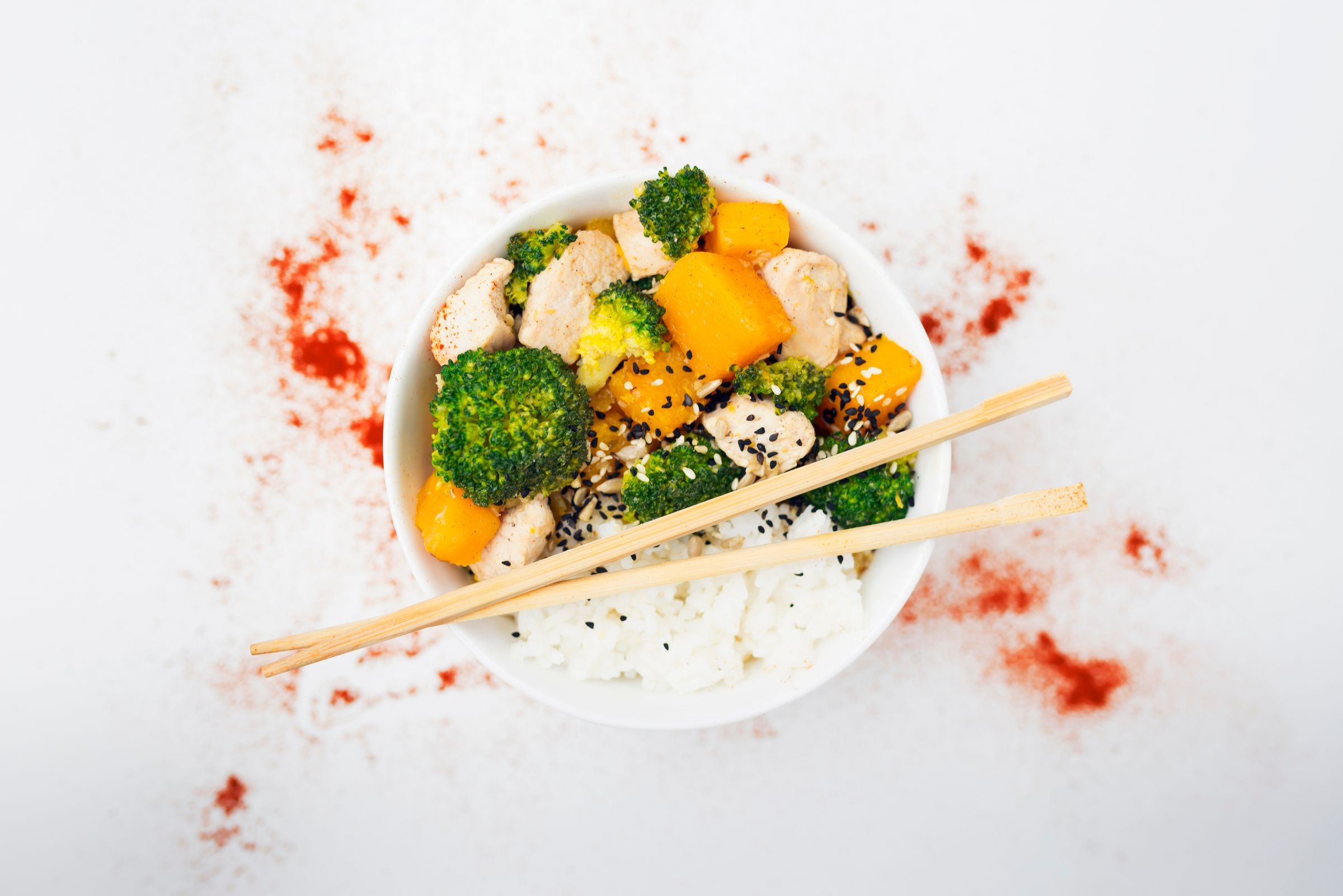
A volume plate is a reusable assembly method for high volume low calorie meals without inventing a locked week or fake catalog menus. Use it as a habit system, not a recipe-card dump you abandon by Thursday.
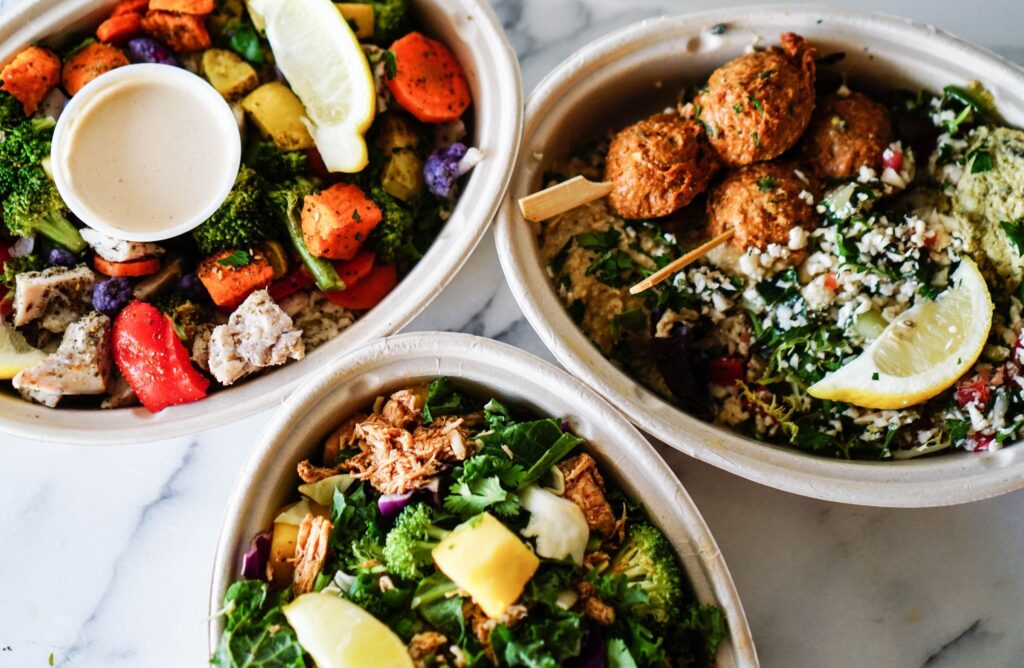
Framework 1. Half the plate: non-starchy vegetables (leafy greens, cucumber, zucchini, broccoli, peppers, mushrooms). Color and crunch first so the plate looks abundant before denser bites arrive. 2. Quarter: lean protein you can see. If you cannot point to it, it is probably not enough to carry the meal. 3. Quarter optional: starch or grain (potato, rice, tortillas, oats at breakfast) when you want more fuel for training or a longer gap until the next meal. 4. Measured fats: oil, dressing, avocado, nuts, cheese by the spoon or small handful. Flavor on purpose, not from the bottom of the bottle. 5. Optional soup preload: a cup of broth-based soup or a big salad first when dinners run dense or restaurant bread baskets show up early.
Assembly builds (not recipes, not a week plan) – Lunch bowl: Big greens and crunchy veg, grilled chicken or tofu, a scoop of rice or beans if you need staying power, dressing on the side. Toss in high-water fruit like berries if you want a sweet finish without dessert density. – Dinner plate: Roasted non-starchy vegetables covering half, white fish or shrimp, potato or a small grain portion, olive oil measured, optional broth soup first. Keep creamy sauces off the default path unless you portion them first. – Breakfast-style build: Egg scramble loaded with spinach and peppers, fruit on the side (berries or melon), Greek yogurt if you want extra protein, toast only if the day needs the carbs.
Swap freely. The volume plate stays the same even when the grocery list changes. High volume low calorie meals are an assembly pattern: color and crunch first, protein second, starch when useful, fats on purpose. When a build feels light two hours later, add protein next time before you add another snack. Jot a quick note after dinner when you want to see which builds actually keep you full across a normal Tuesday. For worked examples with every teaspoon of oil counted, see these 500 calorie meals.
Get Dishco on iPhone
How to Spot Filling Low-Calorie Foods
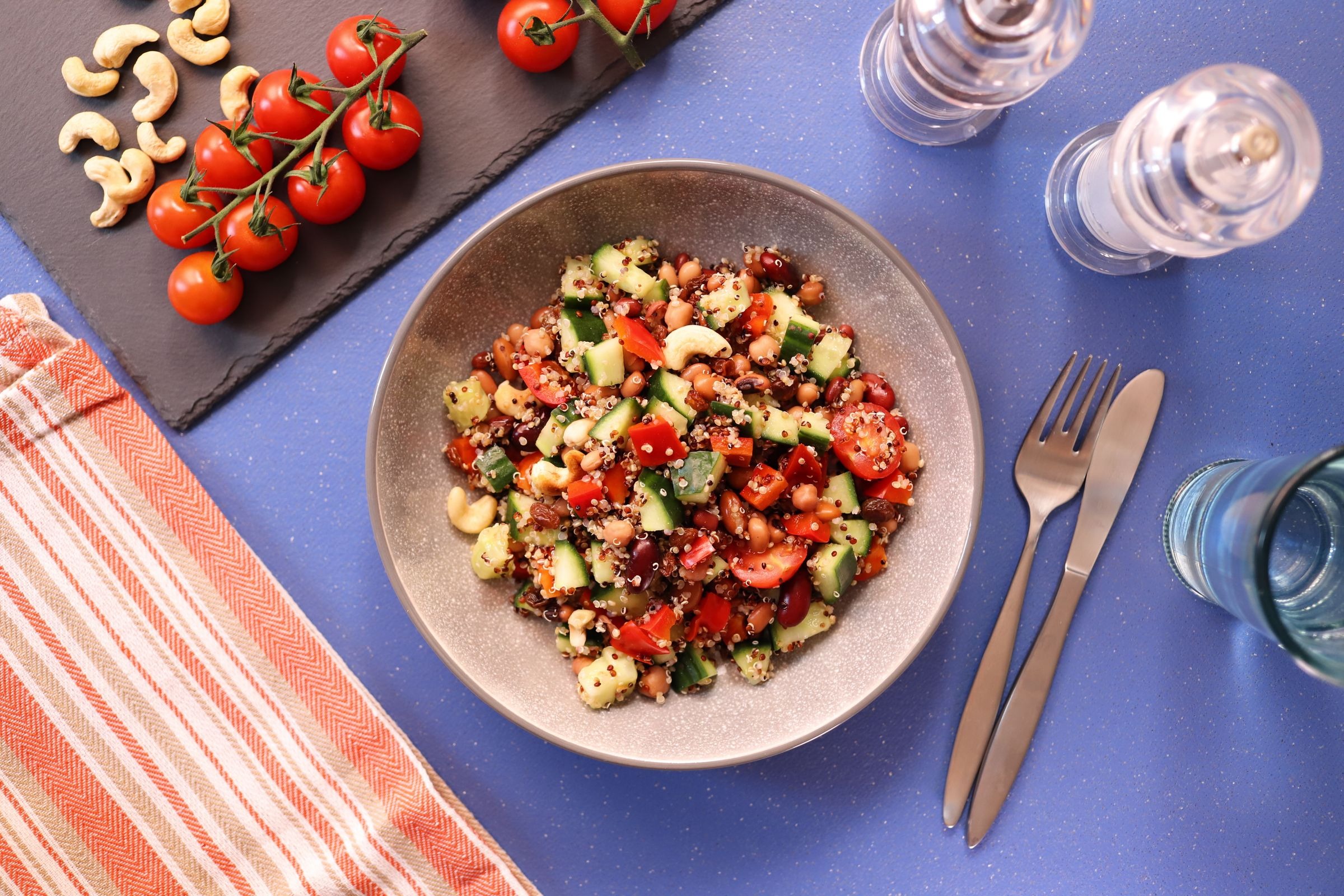
Filling foods with low calories usually share a few cues. You do not need a giant ranked table on this page to spot them, and you should not expect this concept hub to replace that list.
Principles – Water: High-water fruit and vegetables add weight and volume without many calories. Melon, berries, cucumber, and leafy greens are the obvious grocery cues. – Fiber: Chew and slower digestion help fullness stick. Vegetables, legumes in measured scoops, and fruit with the skin on earn their keep here. – Protein: Lean protein turns a big plate into lasting satiety. This is the lever people skip when they only chase watery volume. – Air: Air-popped popcorn and similar light snacks add bulk for movie night without a butter bomb.
Category teaser only: non-starchy vegetables and leafy greens, high-water fruit, broth-based soup, lean dairy or other lean proteins, and airy snacks. Low calorie filling food searches usually want that shortlist of cues, not a fake promise that one item is magic. “Most filling” is context-dependent. Watery volume alone often loses to volume plus protein plus fiber. A cucumber plate without a protein anchor is a different experience than the same vegetables next to Greek yogurt or chicken.
For a ranked usable food table with servings, calories, and day builds, use the high volume low calorie foods companion guide. Treat this section as the how-to-tell layer; use that list when you want specific foods and day builds. Filling foods are a skill you practice at the cart, then confirm by how you feel two hours later.
Honest Limits (and Easy Mistakes)
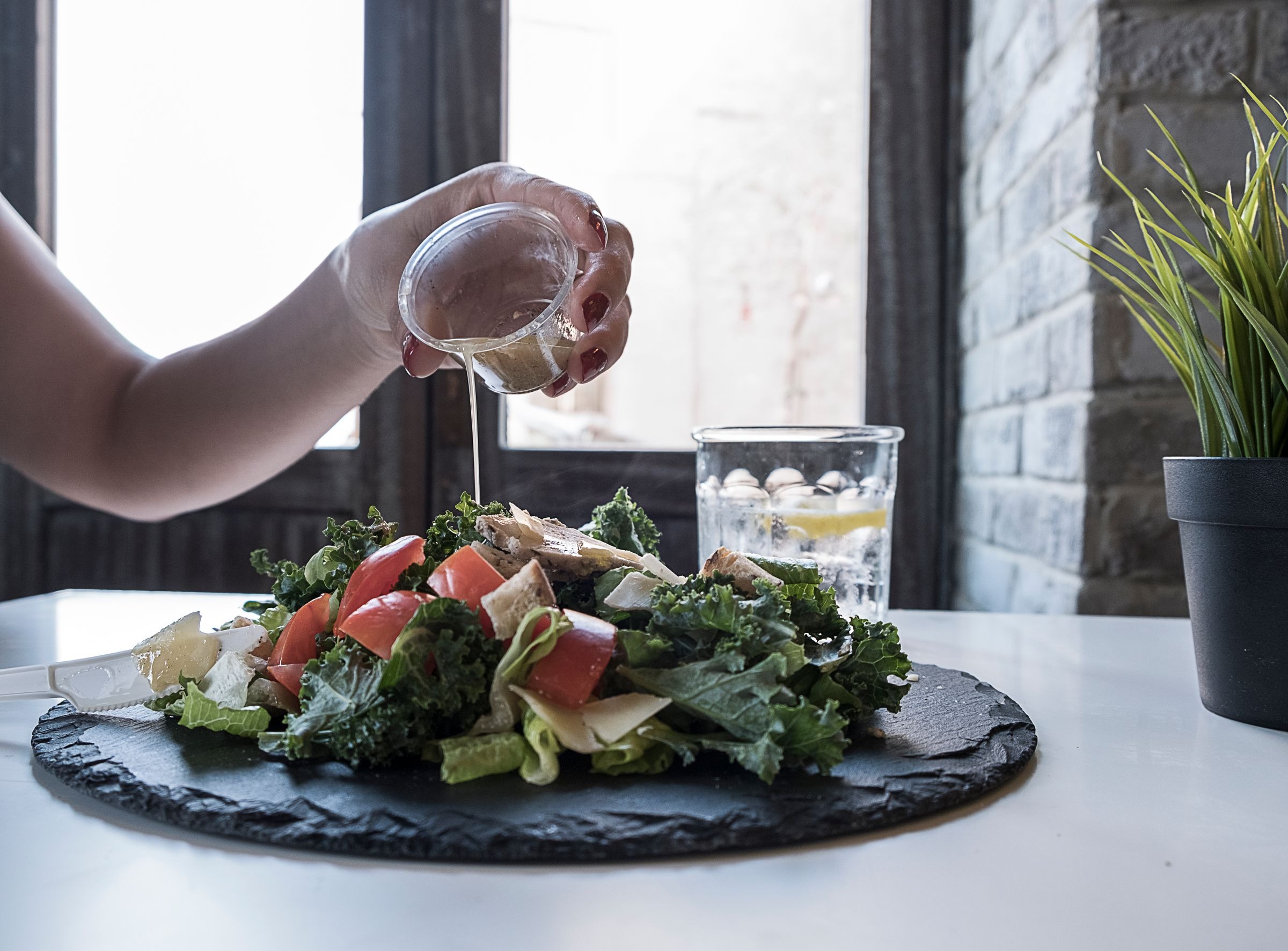
Volume helps. It is not magic. These are the easy mistakes that quietly undo the plate, even when the photos look perfect.
- Free-pour dressings and oils on an otherwise perfect salad
- Calling nuts and cheese “volume foods” when they are high-density add-ons
- Salad-only days with almost no lean protein
- Cream soups and heavy sauces that look like broth but eat like dessert
- Jumping fiber overnight and feeling miserable (go gradual if your gut is sensitive)
- Using bulk to justify eating past comfortable fullness
- Treating any food style as a personality test instead of a tool you can remix
Replace-not-add still applies on busy nights. If the bowl is huge and the calorie math still creeps up, check the watch-outs column before you blame yourself. A measured spoon of oil is not a failure; an untracked free-pour is how moderate plates drift into high-density territory. Energy density literacy should make grocery runs calmer, not more anxious. If food rules are getting rigid, or fullness cues feel scary, that is a sign to soften the approach and get support. This page is lifestyle guidance, not treatment, and it is okay to use only the parts that make weeknights easier.
Get Dishco on iPhone
Frequently Asked Questions
What is volume eating?
It is choosing lower energy-density foods so you can eat larger, more satisfying portions for fewer calories. It relies on water, fiber, and smart plating, not a branded meal kit.
Does volume eating help with weight loss?
It can, when high-volume foods replace denser defaults inside a calorie deficit. Searches for volume eating for weight loss usually want that adherence help, not a free pass. Bigger plates help; they do not cancel math. Pair with protein and measured fats for better staying power.
What is energy density (calorie density)?
Energy density (also called calorie density) is how many calories sit in a given amount of food. Lower density foods give you more volume per calorie. Higher density foods pack more calories into less space.
What foods work best for volume eating?
Non-starchy vegetables, high-water fruit, broth-based soup, lean proteins, and airy snacks tend to work best. For a ranked usable list with servings and day builds, see the high volume low calorie foods guide.
What is the most filling low-calorie food?
There is no single winner. The most filling low-calorie pattern is usually volume plus protein plus fiber. Watery vegetables help, but protein pairing is what keeps afternoon hunger quieter.
Can you eat too much while volume eating?
Yes. Dressings and oils, nuts, cheese, and creamy sauces can push calories up fast even when the plate looks “light.” Bulk is not unlimited if add-ons are unchecked.
Should I pair volume foods with protein?
Yes. Lean protein (chicken, fish, tofu, Greek yogurt, cottage cheese, egg whites) turns a big vegetable plate into a meal that lasts. Protein pairing is a habit worth protecting.
Is volume eating the same as the Volumetrics diet?
Related idea, different packaging. Volumetrics is a named approach built on low energy-density eating. The everyday practice uses the same density logic without needing a program spine.
What should you limit when volume eating?
Limit free-pour dressings and oils, heavy cream soups, fried foods, and large unmeasured handfuls of nuts or cheese. Keep high-density foods measured rather than banned.
Is volume eating safe and sustainable?
For many people it is a sustainable grocery and plating habit when it stays flexible. It is not medical advice. If eating becomes rigid, stressful, or tied to punishment, pause and seek qualified support.
Get Dishco on iPhone
Put the Volume Plate to Work This Week
You now have the concept stack: what volume eating is, a density decision table, and a volume plate you can rebuild on busy nights. The habit path is simple: assemble the plate, notice fullness at 20, 60, and 120 minutes, then adjust protein or add-ons next time.
Plan volume meals when you want the habit to stick beyond one inspired Sunday. Compare two dinners with the same vegetables but different protein or dressing amounts, and keep the version that actually holds. For ranked foods with servings and day builds, use the high volume low calorie foods companion guide. This is not medical advice. Use the tools that make your week feel calmer, and leave anything that does not. Your own satiety feedback is the part a static article cannot personalize for you.
Editorial Sources and Fact Checking
Dishco follows clear sourcing guidelines so you can trust what you read, outlined in our editorial policy. We use trustworthy sources, including peer-reviewed research, public health guidelines, and established health institutions.
Sources
- 1 Dietary energy density: Applying behavioural science to weight management. Nutrition Bulletin. 2017.
- 2 Dietary Guidelines for Americans, 2020-2025. U.S. Departments of Agriculture and Health and Human Services. 2020.
- 3 About Healthy Weight and Growth. Centers for Disease Control and Prevention. 2026.