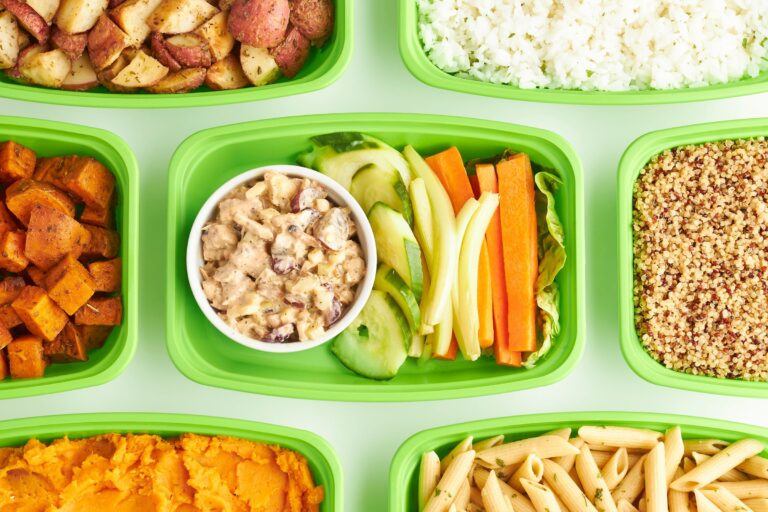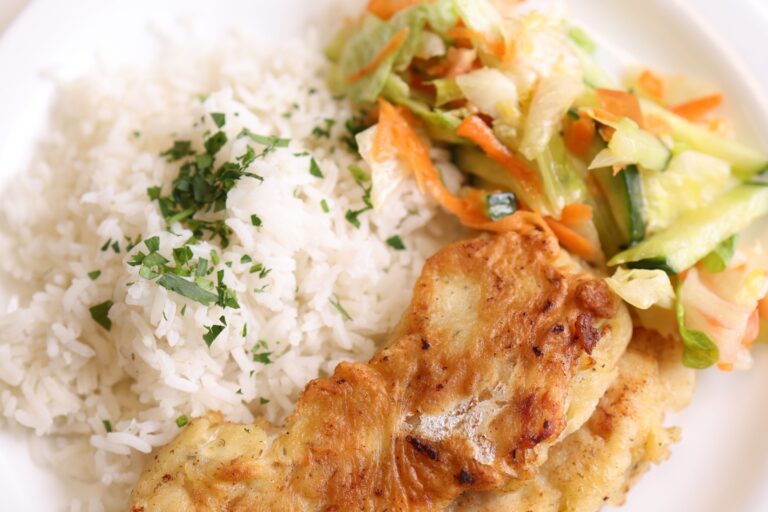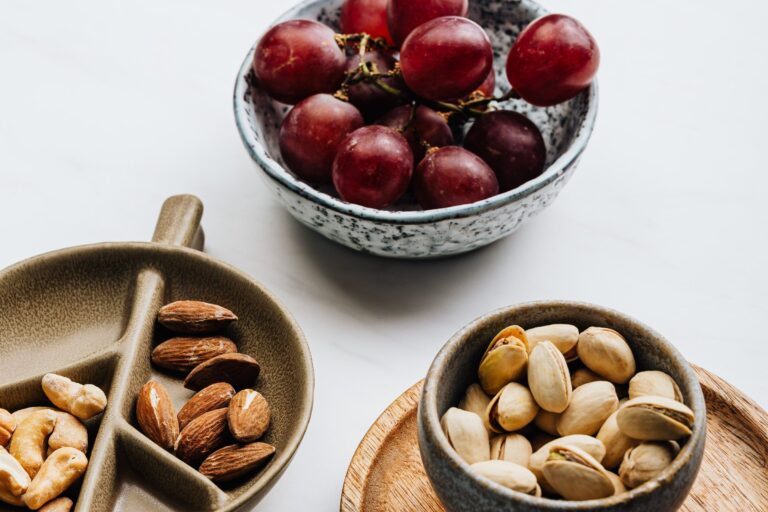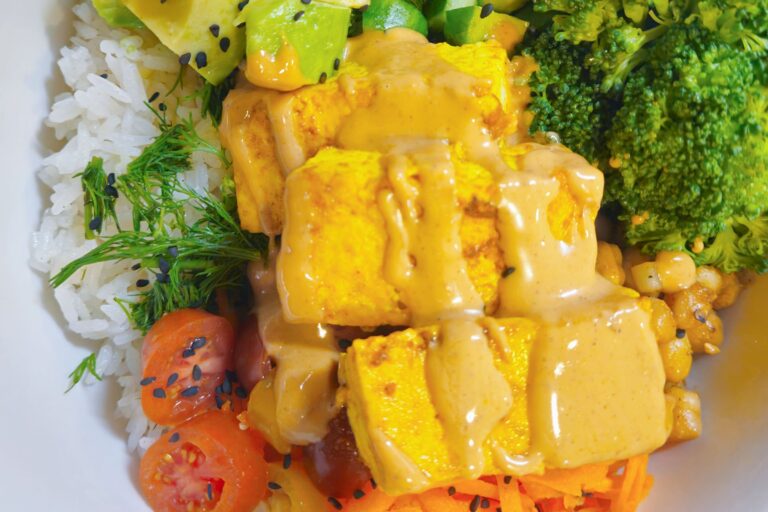


If you’ve been wondering how to get 100 grams of protein a day without living on plain chicken and shakes, here’s the good news: it’s mostly a matter of spreading protein across the plates you already eat. About 100 grams is a popular round-number goal because it’s easy to remember and, for a lot of adults, it sits comfortably above the baseline minimum. This guide keeps it practical: a sample day that adds up, what 100 grams actually looks like, simple builds for each meal, and the grocery defaults that make it feel automatic.
Quick answer: Give every meal a protein anchor and add one protein snack. Example day: 2 eggs with whole-wheat toast (about 16.5 g), a chicken and brown rice bowl (about 36.5 g), a Greek yogurt snack (about 17 g), and a tofu stir-fry over rice (about 30 g). That’s about 100 g total, no powder required.
A quick reality check before the food: 100 g is a common practical target, not a prescription. The baseline recommendation for adults, the RDA, is 0.8 g of protein per kilogram of body weight (about 0.36 g per pound).[1] Real needs shift with body size, activity, and age. If you’re pregnant, have kidney disease, or manage another medical condition, check with your doctor or a registered dietitian before changing how much protein you eat. Food numbers here are approximate USDA FoodData Central values, and brands and cooking methods will nudge them.[2]
A Sample Day With About 100 Grams of Protein
Here’s the quick-answer day, item by item: ordinary grocery-store foods in normal portions, not heaping mountains of meat.
| Meal | What’s on the plate | Protein (about) |
|---|---|---|
| Breakfast | 2 large eggs + 1 slice whole-wheat toast | 12.5 g + 4 g |
| Lunch | 100 g (3.5 oz) roasted skinless chicken breast + 1 cup cooked brown rice | 31 g + 5.5 g |
| Snack | 170 g container plain nonfat Greek yogurt | 17 g |
| Dinner | 150 g firm tofu stir-fry + 1 cup cooked white rice | 26 g + 4 g |
| Total | about 100 g |
That day lands around 1,150 cal before cooking oil, vegetables, fruit, and sauces, so there’s plenty of room to round it out to your own appetite and energy needs.
Notice two things. The toast and rice quietly add about 14 g together, so sides deserve credit. And no single meal carries the whole load. Swap in foods you like better and re-check the grams: roasted turkey breast (about 30 g per 100 g) trades for chicken with barely a ripple, while canned tuna (about 19 g per 100 g) needs a slightly bigger portion to match.
Takeaway: Four anchors plus a few grams from sides gets you there. No single hero food required.
What Does 100 Grams of Protein Look Like?
Picture 100 grams of protein coming from just one food and you’ll see why spreading it out is the move. You’d need about 320 g (roughly 11 oz) of roasted chicken breast, about 16 large eggs, almost 1 kg of plain nonfat Greek yogurt (nearly six 170 g containers), about 580 g of firm tofu, or about 5.5 cups of cooked lentils. Nobody’s asking you to eat that. Split across a day, those same foods get friendly fast.
Here’s a cheat sheet of everyday portions:
| Food | Portion | Protein (about) | Calories (about) |
|---|---|---|---|
| Roasted skinless chicken breast | 100 g (3.5 oz) | 31 g | 165 cal |
| Plain nonfat Greek yogurt | 170 g container | 17 g | 100 cal |
| Whole egg | 1 large (50 g) | 6 g | 72 cal |
| Firm tofu | 100 g | 17 g | 144 cal |
| Cottage cheese, 2% | 1/2 cup (113 g) | 12 g | 92 cal |
| Canned light tuna in water, drained | 100 g | 19 g | 86 cal |
| Cooked lentils | 1 cup (198 g) | 18 g | 230 cal |
| Cooked edamame | 1 cup (155 g) | 18.5 g | 188 cal |
| Protein shake or bar (optional) | 1 serving | Check your label; many land roughly 10-30 g | Varies |
Tofu varies more than most by brand and firmness, so the package label is the tiebreaker, same as for any branded food.
Takeaway: 100 grams from one food is a lot of food. From four or five foods, it’s just a normal day.
How to Get 100 Grams of Protein a Day Without Overthinking It
Most advice on how to eat 100 grams of protein a day overcomplicates it. Think in anchors, not recipes. An anchor is the one protein food a meal is built around, and everything else (grains, veggies, sauce) comes along for the ride. A rough split that works for plenty of people is about 20-25 g at breakfast, 30 g at lunch, 15-20 g at snack time, and 30 g at dinner.
Breakfast (about 20-25 g)
Two eggs with toast gets you close to 17 g, and adding a slice of cheese or a side of yogurt closes the gap. Not an egg person? A Greek yogurt bowl with oats or a scoop of cottage cheese on toast does the same job.
Lunch (about 30 g)
Leftovers are your best friend here. Last night’s chicken, tofu, or lentils over greens or grains beats a sad desk sandwich every time.
Snack (about 15-20 g)
A Greek yogurt cup, half a cup of cottage cheese, a cup of edamame, or two hard-boiled eggs (about 12.5 g) all land in or near that range. Pick the one you’ll actually reach for at 3 p.m.
Dinner (about 30 g)
Build the plate around a visible protein first, then add sides. Tofu stir-fry, salmon with potatoes, turkey chili: the format is flexible, the anchor isn’t.
Defaults beat perfection. Rotate two breakfasts and two lunches you like, and suddenly most of the math is done before dinner even starts.
Takeaway: One anchor per meal, one protein snack, and a few repeat defaults do most of the work.





Get Dishco on iPhone

Grocery Defaults That Make 100 Grams Easier
You can’t eat protein you didn’t buy. Keep a short list of high-protein staples on repeat so the anchors are always there:
- Fridge: eggs, plain Greek yogurt, cottage cheese, firm tofu, and a pack of chicken breast or thighs
- Pantry: canned tuna or salmon, canned beans, dry lentils, and whole-wheat bread or oats
- Freezer: edamame, frozen shrimp, and a backup bag of chicken for weeks that go sideways
- Optional: a protein powder you genuinely like, for mornings when cooking isn’t happening
For budget picks, the cheap healthy grocery list leans on eggs, beans, and chicken thighs, which happen to be protein workhorses. The wider healthy grocery list covers the full cart.
Takeaway: If the staples are in the fridge, hitting your number takes a lot less willpower.
Vegetarian and Mixed Ways to Reach 100 Grams
Getting to 100 grams without meat is doable. It just takes a little more planning, because most plant foods carry less protein per bite, so portions get bigger.
If you eat eggs and dairy, Greek yogurt, cottage cheese, and eggs can do a lot of the heavy lifting, with beans and tofu filling in. If you’re fully plant-based, soy foods are among your densest options: firm tofu (about 17 g per 100 g), tempeh (about 20 g per 100 g), and edamame (about 18.5 g per cooked cup). A cup of cooked lentils plus 150 g of firm tofu get you to about 44 g on their own. Milk swaps matter too. Original soy milk brings about 8 g per cup, while unsweetened almond milk has about 1 g.
Protein powder is optional here, same as everywhere else. Pea and soy powders exist if a scoop makes your morning easier, but you’re not missing a secret ingredient if you skip it. Mixed eaters can split the difference: plant-forward lunches, eggs or fish at dinner.
Takeaway: Plant-based 100 g days are realistic. Lean on soy and lentils, and expect bigger portions.
A Simple Way to Keep Tabs on Your Protein
You don’t need to weigh everything forever. Weigh a few anchors once (a chicken portion, a scoop of yogurt, a slab of tofu) and your eyes get good at estimating. Then read the serving size on the labels you buy most, because that’s where the sneaky surprises hide.
A week or two of jotting down what you eat, in a notes app or a food log, shows your real patterns, like a 5 g breakfast you didn’t notice. When you want more precision, how to track macros covers weighing, labels, and homemade meals. If protein is one piece of a bigger macro picture, what are macros walks through protein, carbs, and fat without the jargon.
Some situations call for a more personal number. If you’re on a GLP-1 medication and appetite is smaller than usual, the Ozempic protein calculator gives a protein estimate for that context. If you’re managing PCOS, the PCOS calorie calculator estimates calories and protein together. The rest live on the tools page.
Takeaway: Weigh a few anchors, read your labels, and check in for a week or two. That’s enough to calibrate.
Get Dishco on iPhone
Common Protein Mistakes (and Easy Fixes)
Saving it all for dinner. A 5 g breakfast and a light lunch leave you needing 60 g or more at night, which is a lot of food at once. Moving 15-20 g earlier makes the whole day easier.
Liquid-only days. Shakes are handy backups, but leaning on them all day skips the fiber and variety meals bring. Use them to fill a gap, not replace your plate.
Ignoring label servings. Protein is listed per serving, not per package. Peanut butter is a good example: 2 tablespoons bring about 7 g of protein and about 190 cal, so it’s more of a fat source with a protein bonus than an anchor.
Mixing up raw and cooked weight. Raw skinless chicken breast has about 22.5 g of protein per 100 g, while roasted has about 31 g per 100 g, because water cooks off. Weigh it the same way each time.
Takeaway: Spread it out, eat real meals, and read the serving line.
FAQ
Is 100 grams of protein a day too much?
For many healthy adults, it’s a common and reasonable target. Larger or very active people may aim higher, and smaller or less active people may need less. If you have kidney disease or another medical condition, talk with your doctor or a registered dietitian first.
How many eggs is 100 grams of protein?
About 16 large eggs, at roughly 6 g each. That’s why eggs work best as one anchor among several, not the whole plan.
Can I get 100g protein a day without meat?
Yes. Eggs, Greek yogurt, and cottage cheese make it straightforward for vegetarians. Fully plant-based days lean on tofu, tempeh, edamame, lentils, and soy milk, with slightly bigger portions.
Do I need protein powder to hit 100 grams?
No. The sample day above reaches about 100 g with zero powder. A shake can be a convenient backup, and that’s all it needs to be.
Any tips on how to get 100g of protein a day when you’re busy?
Lean on no-cook defaults: yogurt cups, cottage cheese, hard-boiled eggs, canned tuna, and leftovers. Batch-cook one or two proteins on the weekend so lunches mostly assemble themselves.
Do I have to hit exactly 100 grams every day?
No. Landing in the neighborhood most days is a realistic goal, and one lower day isn’t a problem to fix.
Your 100 Grams, One Plate at a Time
That’s really the whole approach to how to get 100 grams of protein a day: an anchor at every meal, one protein snack, a fridge stocked with defaults, and a little label reading. If strength training is your focus and you want full-day plans, the meal plan for muscle gain goes deeper. Otherwise, start with tomorrow’s breakfast. Add one anchor you like, notice how the day feels, and build from there.
Get Dishco on iPhone
Editorial Sources and Fact Checking
Dishco follows clear sourcing guidelines so you can trust what you read, outlined in our editorial policy. We use trustworthy sources, including peer-reviewed research, public health guidelines, and established health institutions.
Sources
- 1 Dietary Reference Intakes for Energy, Carbohydrate, Fiber, Fat, Fatty Acids, Cholesterol, Protein, and Amino Acids. National Academies (Institute of Medicine). 2005.
- 2 FoodData Central: SR Legacy. U.S. Department of Agriculture, Agricultural Research Service. 2018.