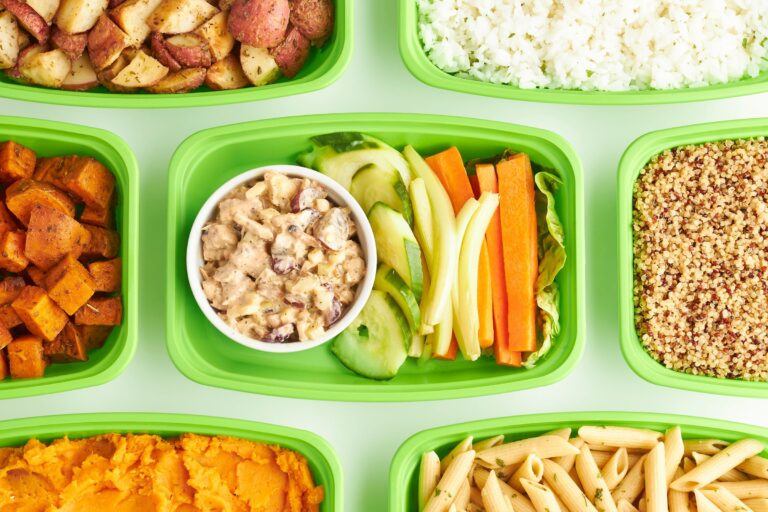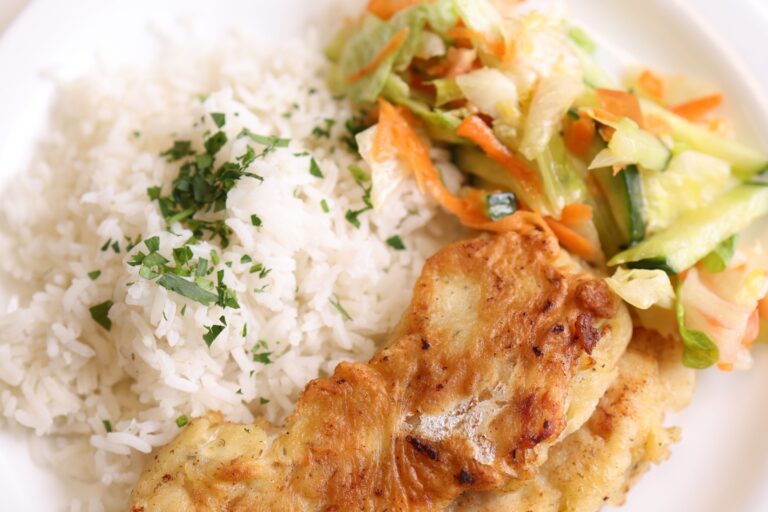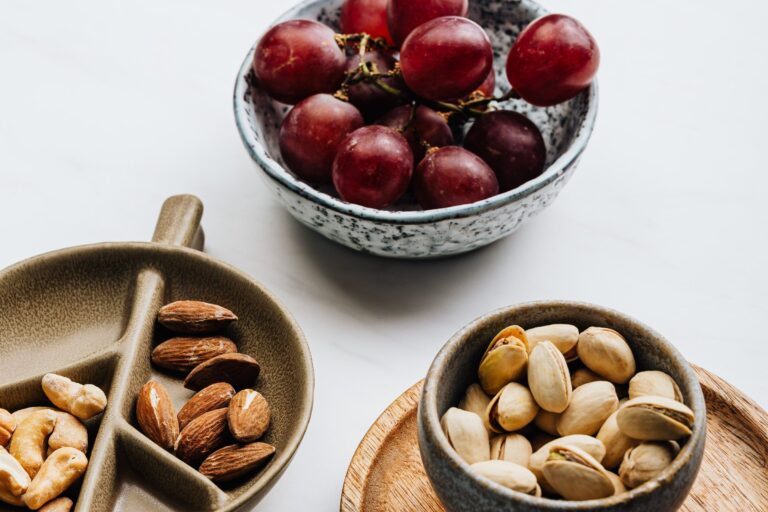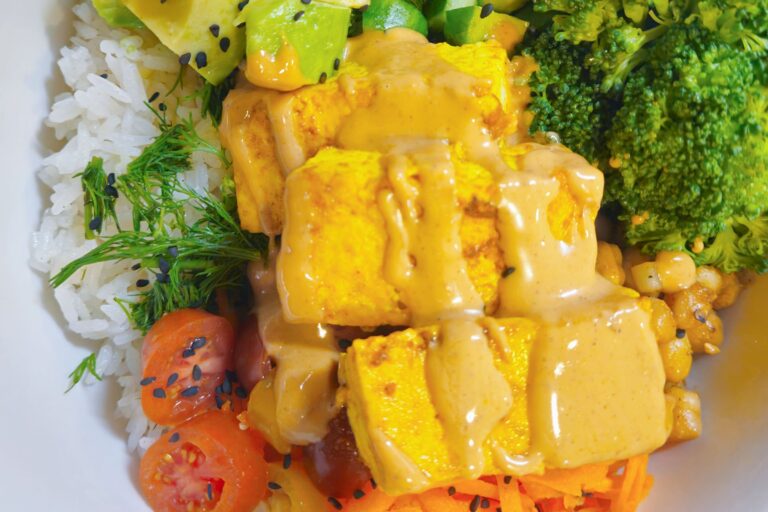

If your plates feel tiny and you’re still hungry an hour later, high volume low calorie foods are the practical fix: same (or bigger) plates, fewer calories per bite. Also searched as low calorie high volume foods or volume-eating staples. This guide gives you a ranked usable list, a protein-forward stack, and day plate builds you can repeat on busy weeks.
Quick answer: Use the ranked food table (serving + approx. cal + best use + tip), build plates with volume plus a clear protein anchor, preload with broth or salad, then follow the day builds and snack ladder. Volume helps when it replaces denser foods, not when you pile it on top.
This isn’t medical advice. Personalize to your goals, activity, and preferences. If food feels stressful or you need clinical guidance, talk with a qualified professional. The goal is steady energy and feeling good on real weeknights, not perfection. Take what fits your life, leave the rest, and treat this as a decision map you can reuse when grocery day and dinner both feel chaotic.
What Are High-Volume, Low-Calorie Foods?
Energy density is simply how many calories sit in a given amount of food. Low energy density foods pack more water and fiber (and sometimes air) into each bite, so the plate looks generous while the calorie count stays modest. That is the core idea behind volume eating: fill up on foods that take up space without blowing your budget for the day.
Leafy greens, cucumber, zucchini, and other non-starchy vegetables feel bigger on the plate because they are mostly water plus fiber. High-water fruit like berries, melon, and grapefruit works the same way for snacks and sides. Broth-based soup and air-popped popcorn add bulk with very little calorie load, which is why they show up again and again when people want a bigger plate without a bigger total.
You may hear this approach linked to Volumetrics, the research-backed idea of choosing lower-calorie-per-bite foods so you can eat satisfying portions while staying in a calorie deficit. You do not need a named diet program to use it. You need a usable ranked food table, a habit of pairing volume with lean protein, and an honest eye on dressings and oils.
Think of these foods as the “bulk” layer of your day of eating—pair them with a solid healthy grocery list. They make bowls, salads, and sheet-pan dinners look abundant. They are not magic on their own. Pair them with protein, keep calorie-dense add-ons measured, and you get the staying power people actually want from volume eating. Once that clicks, the table below stops being a trivia list and starts looking like a weekly shopping plan.
High Volume Low Calorie Foods: Ranked Usable List
Here is the decision table, not a thin shortlist. Scan Food, Serving, Approx. cal, Best use, and Satiety tip, then pick what fits today’s plates. Calories are approximate USDA-style round numbers for common servings; brands and prep will shift them a little. Use it as a ranked food table you can screenshot or keep in your notes app.
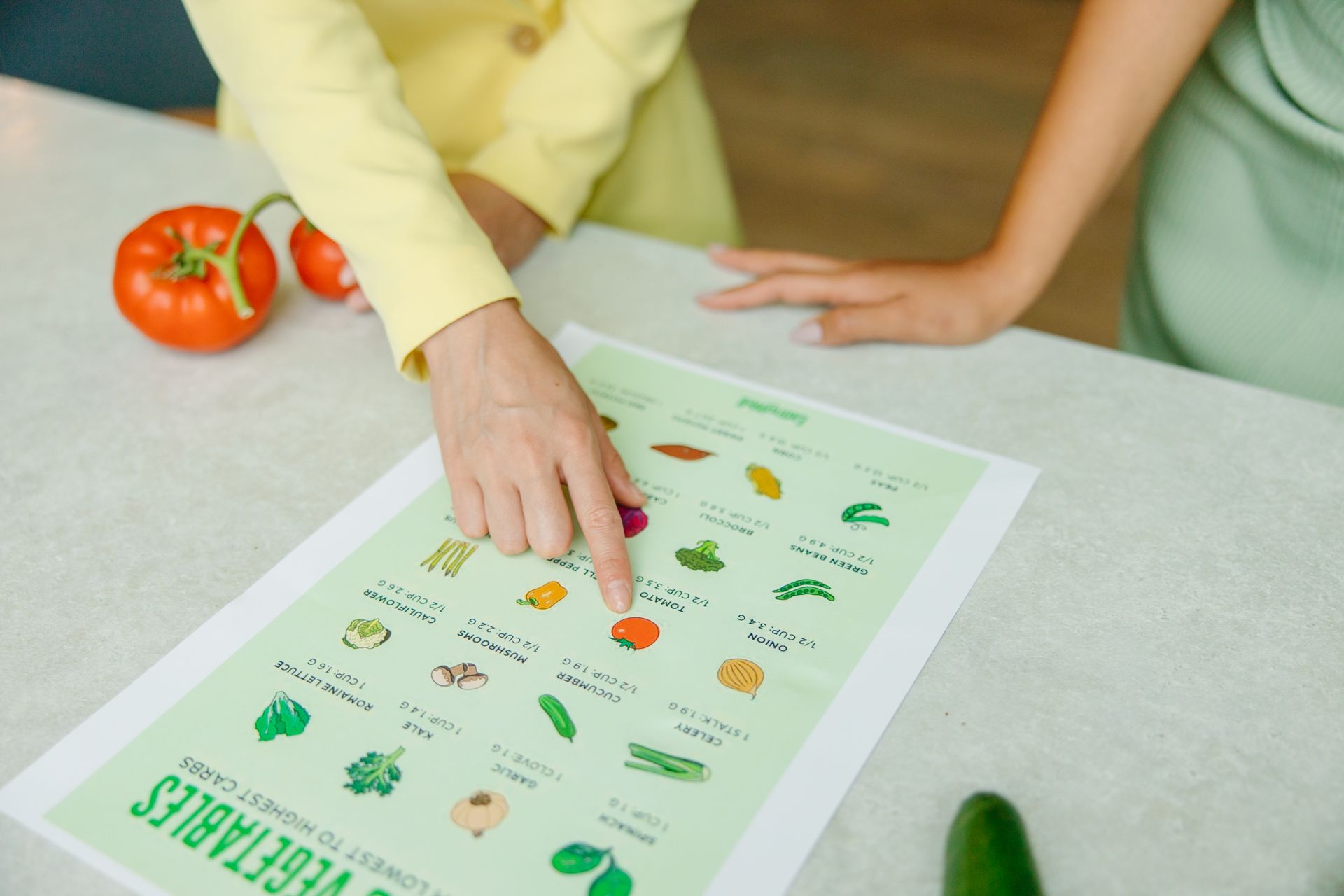
Non-starchy vegetables & greens
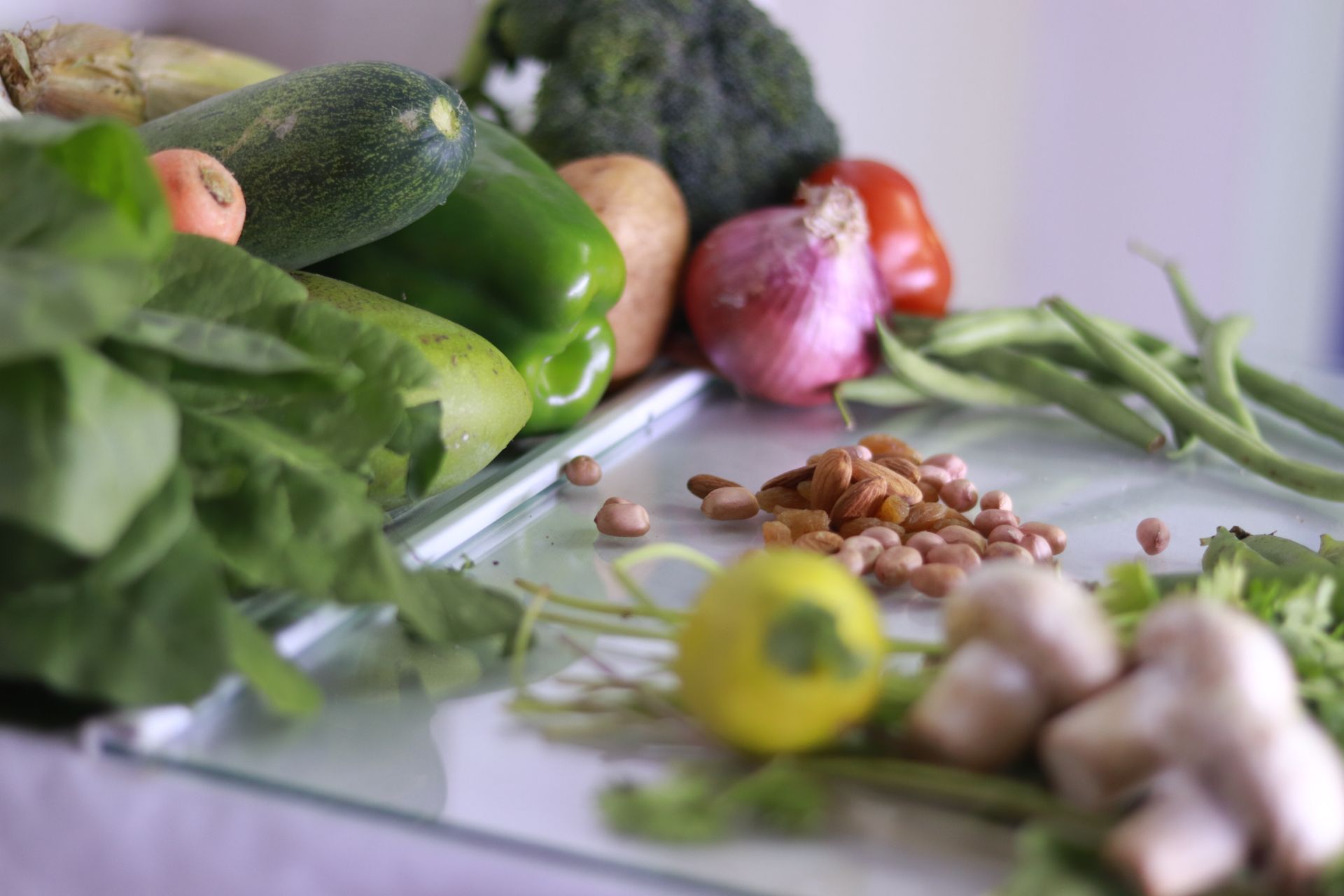
| Food | Serving | Approx. cal | Best use | Satiety tip |
|---|---|---|---|---|
| Cucumber | 1 cup sliced | 16 | Snack, salads, bowls | Pair with hummus or Greek yogurt dip for staying power |
| Zucchini | 1 cup cooked | 27 | Bulk pasta, bowls, sheet pans | Spiral or roast; add a protein so it isn't only water |
| Leafy greens (spinach, romaine, kale) | 2 cups raw | 14-20 | Salad base, wraps, eggs | Start dinner with a big greens pile before denser bites |
| Broccoli | 1 cup cooked | 55 | Sides, bowls, stir-fries | Fiber + chew slow you down; keep sauces light |
| Cauliflower | 1 cup cooked | 29 | Mash swap, bowls, roasting | Great bulk under protein; watch creamy toppings |
| Mushrooms | 1 cup cooked | 28 | Sauté, bowls, omelets | Meaty texture helps with few calories |
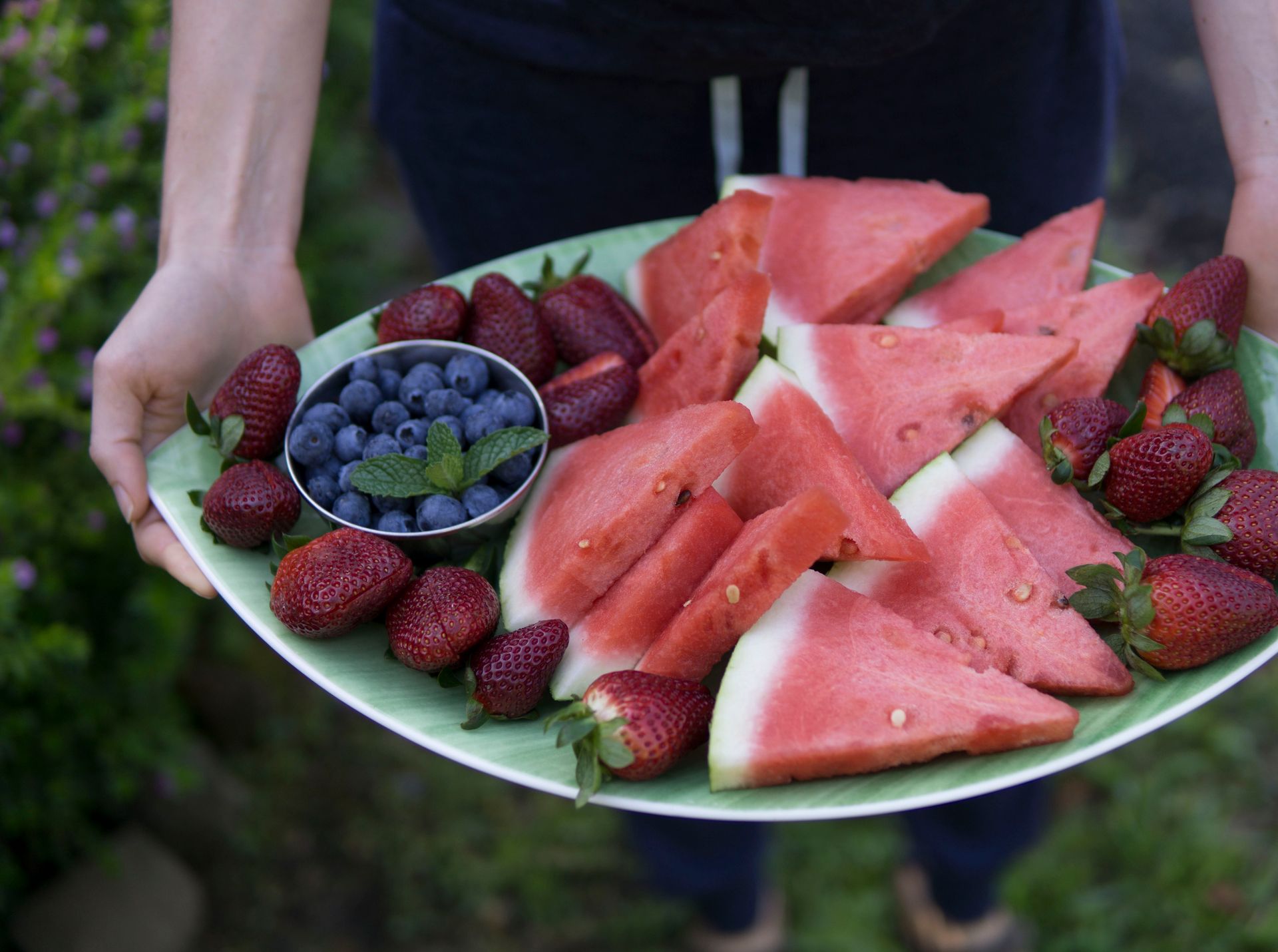
High-water fruit
| Food | Serving | Approx. cal | Best use | Satiety tip |
|---|---|---|---|---|
| Berries | 1 cup | 50-85 | Breakfast, snacks, yogurt | Pair with Greek yogurt or cottage cheese |
| Watermelon / melon | 1 cup cubed | 45-60 | Snack, dessert swap | Hydrating; still count fruit toward the day |
| Grapefruit | 1/2 fruit | ~50 | Breakfast side | Bright acid wakes up a protein plate |
| Apple | 1 medium | ~95 | Snack on the go | Fiber + chew; add protein if hunger returns fast |
Soups & airy snacks
| Food | Serving | Approx. cal | Best use | Satiety tip |
|---|---|---|---|---|
| Broth-based soup (veg or chicken) | 1 cup | 30-80 | Preload before mains | Sip first; cream soups undo the win |
| Air-popped popcorn | 3 cups | ~90 | Movie snack, evening crunch | Skip butter bombs; spice or a light spray instead |
Lean protein anchors
Volume alone rarely lasts. These lean protein partners turn a big plate into a meal that holds.
| Food | Serving | Approx. cal | Best use | Satiety tip |
|---|---|---|---|---|
| Chicken breast | 3 oz cooked | ~140 | Lunch/dinner anchor | Build the plate: veg first, then protein, then starch |
| White fish / shrimp | 3 oz cooked | 80-120 | Fast dinners, bowls | Light when paired with greens |
| Egg whites | 1/2 cup liquid | ~60 | Breakfast scramble volume | Mix with whole eggs if you want yolk flavor |
| Nonfat Greek yogurt | 3/4 cup | ~100 | Breakfast, snack, dip base | Top with berries, not candy granola |
| Low-fat cottage cheese | 1/2 cup | ~90 | Snack, savory bowls | Salt and pepper or fruit; easy add |
| Firm tofu | 3 oz | ~70-90 | Plant-forward bowls | Press, season, and load the veg |
Moderate volume / higher density (optional)
| Food | Serving | Approx. cal | Best use | Satiety tip |
|---|---|---|---|---|
| Oats (dry) | 1/2 cup | ~150 | Breakfast base | Cook with water or milk; add fruit for bulk |
| Legumes (beans, lentils) | 1/2 cup cooked | 100-120 | Bowls, soups | Fiber + plant protein; portion still matters |
| Potato (baked) | 1 medium | ~160 | Dinner side | Filling starch; keep toppings measured |
| Shirataki noodles | 1 package drained | ~10-20 | Noodle swap | Texture is the point; sauce lightly |
Non-starchy vegetables and leafy greens carry most of the bulk. High-water fruit covers sweet snacks. Broth is your preload. Lean protein keeps mid-afternoon crashes quieter. Optional oats, legumes, potato, and shirataki sit in the moderate row when you want more chew without pretending they are free. Curious which foods actually come close to free? Our zero calorie foods guide sorts them by tier, with the label rounding rule explained.



Get Dishco on iPhone

Build a Satiety Stack (Volume + Protein + Preload)
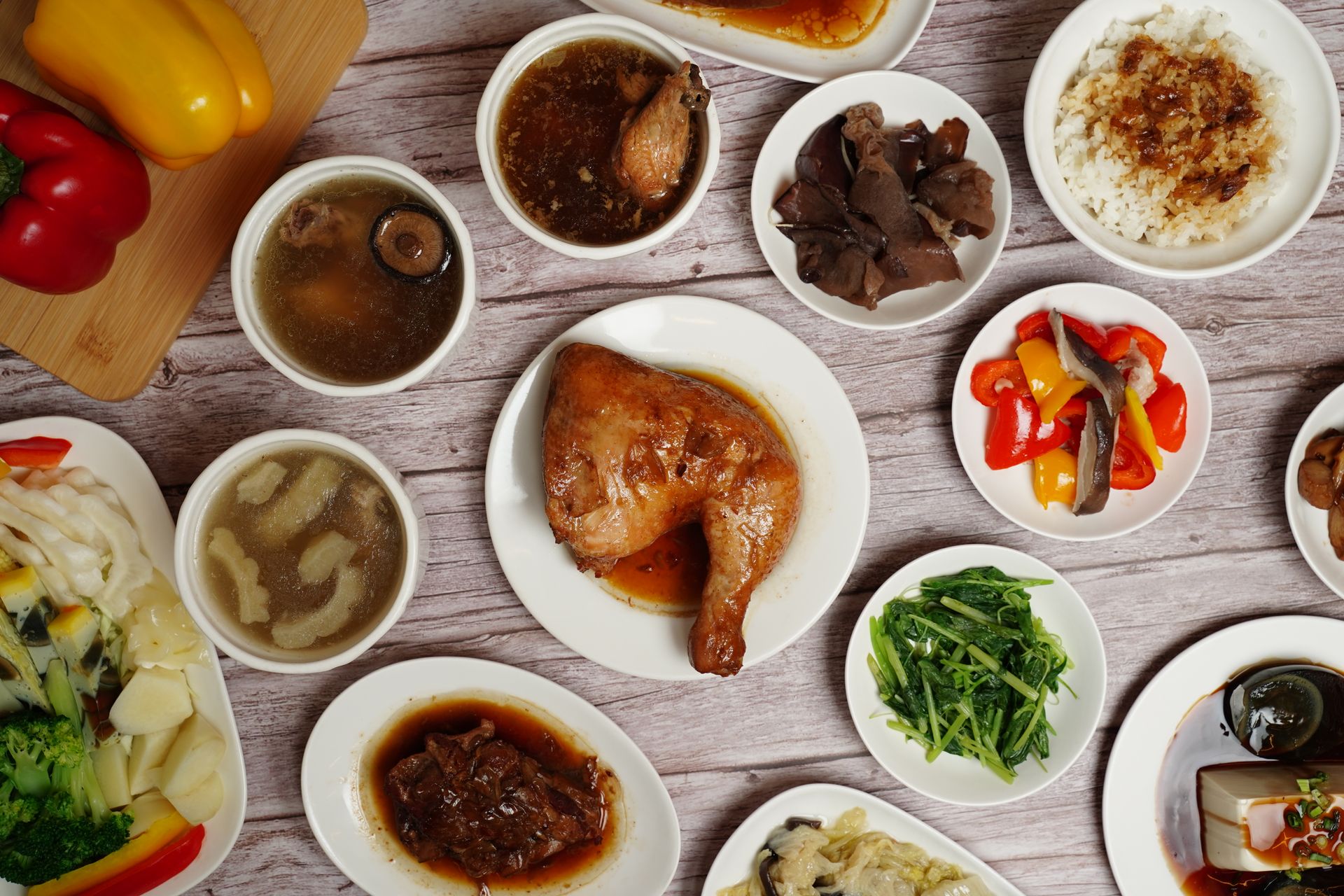
A big salad with almost no protein looks impressive and then leaves you raiding the pantry by 3 p.m. The satiety stack fixes that with three layers you can repeat on any day of eating, whether you cook at home or assemble leftovers.
1. Volume first. Fill half the plate (or more) with non-starchy vegetables or a generous greens base. That visual abundance matters for how satisfied you feel before you even finish. Color helps too: mix crunchy and soft so the plate feels interesting.
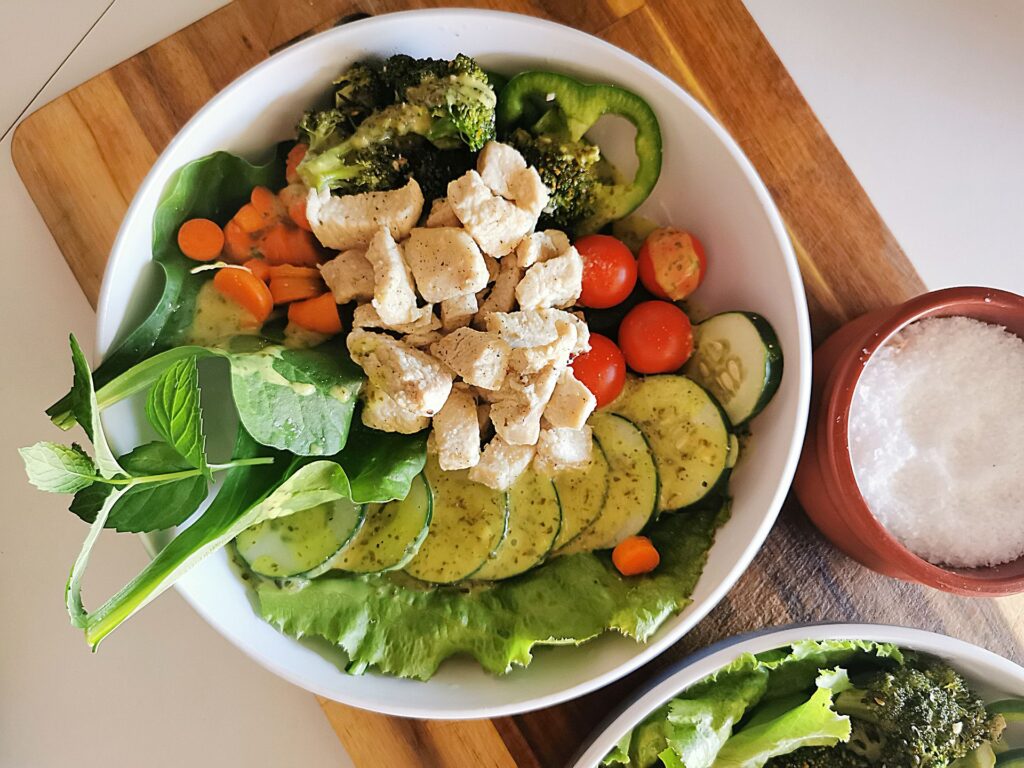
2. Add lean protein. Chicken, fish, shrimp, tofu, egg whites, Greek yogurt, or cottage cheese turn volume into lasting power. Protein pairing is not optional if you want the stack to work through a busy afternoon. Aim for a clear portion you can see, not a token sprinkle.
3. Preload when it helps. Start with broth-based soup or a big salad before a denser main. The water and fiber take the edge off so you are less likely to overshoot on oils, cheese, or second helpings. This is especially useful on restaurant nights when bread baskets arrive early.
Pace helps. Put the fork down between bites. Mid-check: notice how you feel at 20, 60, and 120 minutes after the stack. That feedback is how volume eating becomes a habit instead of a one-off tip you forget by Thursday. If a stack felt light, add protein next time before you add more snacks.
How to Use High-Volume Foods in a Day
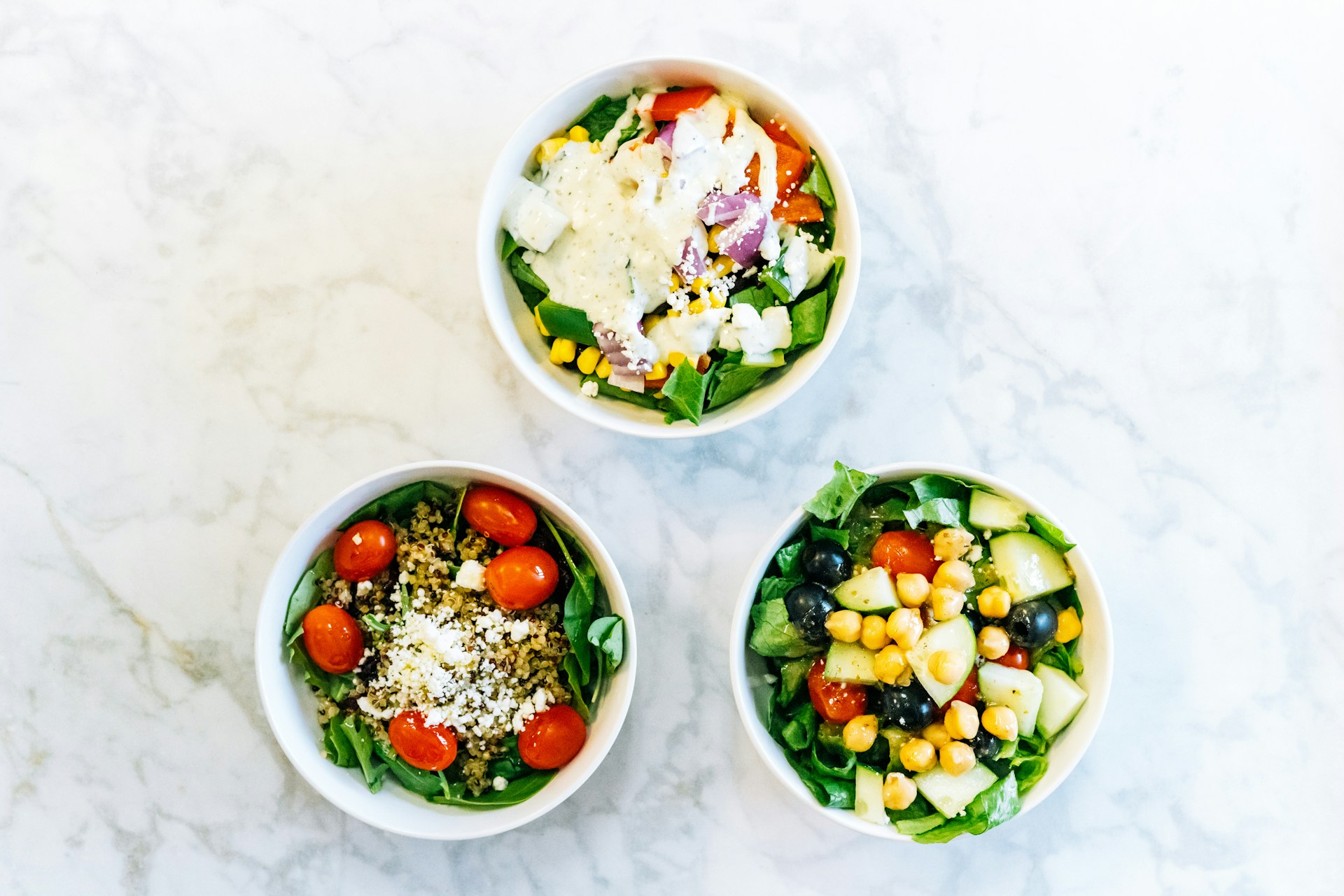
This is the day-of-eating map: plate builds, not recipes. Steal the skeleton, swap proteins you like, and keep the volume layer loud. The point is a day you can log, not a weekend cooking project.
Breakfast build. Greek yogurt or egg whites as the lean protein anchor. Add a cup of berries or an apple for high-water fruit. Fold in spinach or tomatoes if you want more bulk. Optional small starch: a half cup of oats or toast on the side. Goal: a bowl or plate that looks full and keeps you out of the mid-morning snack spiral. If mornings are rushed, prep the yogurt cup the night before and grab fruit on the way out.
Lunch build. Big leafy greens or mixed non-starchy vegetables as the base. Add chicken, shrimp, tofu, or cottage cheese. Cucumber, broccoli, and mushrooms make easy volume add-ins from the table above. Optional starch: a fist of rice, potato, or legumes. Dressing on the side, measured. This is where the ranked food table earns its keep: scan, assemble, eat. Pack it like a bowl so it survives a desk lunch.
Dinner build. Same pattern at a bigger scale. Half the plate (or more) vegetables. A clear lean protein portion. Optional starch. Start with a cup of broth-based soup if evenings are when you tend to overeat. Restaurant night: double the veg, sauce on the side, and keep the protein clear. Social meals still work if volume leads and you decide on extras after the main plate lands. For 12 measured dinners with the oil counted, see these 500 calorie meals.
Snack ladder. Climb only as high as you need: (1) cucumber or celery with salsa, (2) berries, (3) air-popped popcorn, (4) Greek yogurt or cottage cheese with fruit, (5) warm broth if you want cozy volume. Stop when you feel settled. You do not need every rung every day. For snacks sorted by total and added sugar, see these low sugar snacks.
Busy adherence note: when life is loud, default to one protein + one giant veg pile + one fruit. That simple plate build still beats skipping meals and swinging hard later. After each meal, note how full you feel so tomorrow’s edits get easier.
Get Dishco on iPhone
Easy Swaps and High-Volume Snacks
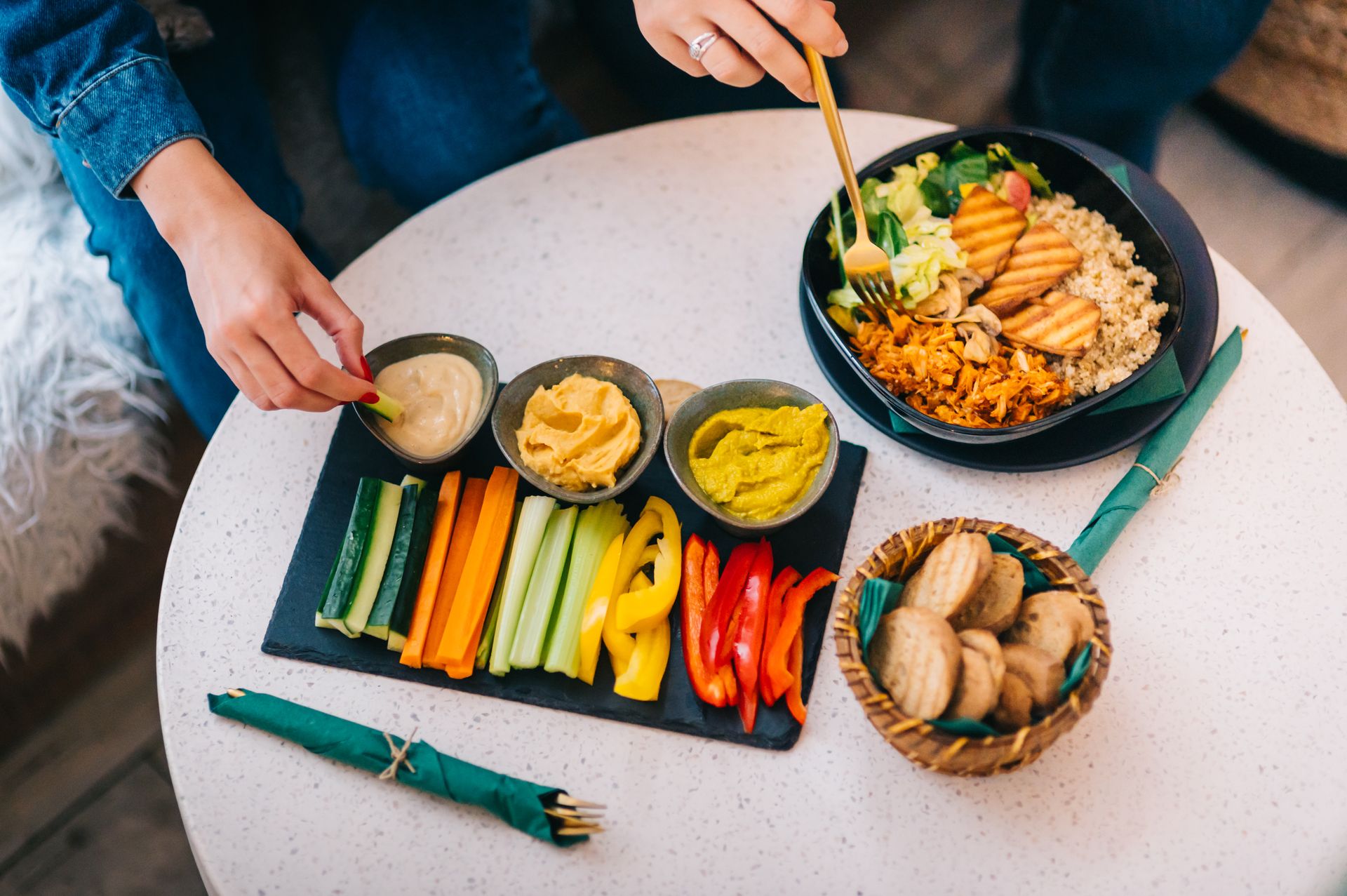
Small swaps protect your day without a full meal reboot. Use these when the usual options would quietly stack calories, especially on busy afternoons or late nights.
- Chips → air-popped popcorn (same crunch ritual, far more bowl space).
- Creamy soup → clear broth with extra vegetables floated in.
- Juice → whole high-water fruit (fiber stays; sip-speed slows).
- Heavy pasta bowl → half noodles, half zucchini or cauliflower.
- Creamy dressing drown → measured dressings and oils on the side.
- Candy desk stash → berries or an apple with a protein bite.
- Late-night cereal free-for-all → a yogurt cup or veg first, then decide if you still want cereal.
Snack ideas tied to the table: cucumber + salsa, berries + Greek yogurt, melon cups, broth in a mug, popcorn with spice. Keep calorie-dense add-ons (nuts, cheese, oils) intentional. The swap is the point: replace the denser habit, do not add volume on top of it and call it even. If a swap feels joyless, keep a smaller portion of the original and bulk the plate with vegetables instead of forcing a fake favorite. Busy-life swaps stick when they still taste like something you chose on purpose, not a punishment version of dinner.
Get Dishco on iPhone
Honest Limits of Volume Eating
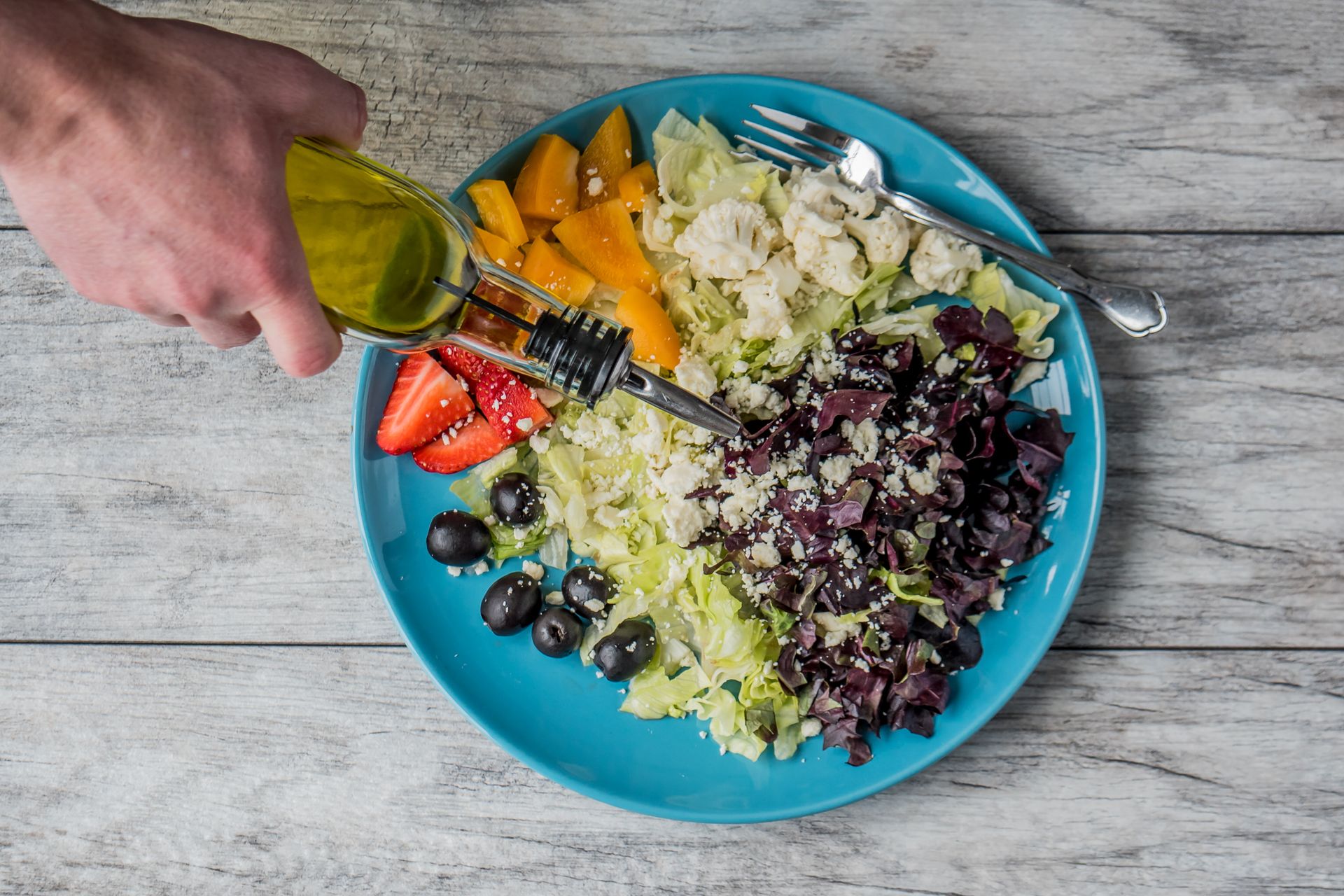
Volume eating is not a free pass. Dressings and oils, nuts, cheese, cream soups, and buttery toppings can erase the energy density advantage of a huge salad in a few pours. Fruit and starches still count toward the day. Shirataki and cucumber will not carry your macros alone, and that is fine.
The rule that matters: replace, do not add. Swap a denser side for non-starchy vegetables. Preload with soup instead of ordering a second appetizer. Use volume to support weight loss or a calorie deficit only when it displaces higher-calorie choices you would have eaten anyway. Piling greens on top of an unchanged takeout order rarely moves the needle.
Be honest about hunger versus habit. Sometimes you need more protein or a real starch, not another cucumber spear. Volume is a tool for plate builds, not a personality. Light guardrail: if counting, weighing, or “filling up on low-cal food” starts to feel obsessive or punishing, pause and seek support from someone you trust or a qualified professional. Feeling good and steady is the target. Restriction spirals are not the vibe; use this list to notice patterns, not to police every bite.
Frequently Asked Questions
What are high volume low calorie foods?
They are foods with low energy density: lots of water and fiber (sometimes air) per calorie. Think leafy greens, cucumber, zucchini, broccoli, broth-based soup, berries, melon, and popcorn, usually paired with lean protein so the meal holds.
What is the difference between high volume low calorie foods and low calorie high volume foods?
None that matters for shopping or logging. Low calorie high volume foods is the same idea with the words flipped. People search both. This page covers both on one hub so you are not bouncing between twin articles.
What is volume eating / volumetrics?
Volume eating means structuring meals around lower energy density foods so portions feel generous while calories stay in check. Volumetrics is the well-known research framing for that approach. You can use the habits (veg bulk, soup preload, protein pairing) without following a branded program.
What is energy density and why does it matter?
Energy density is calories per gram (or per bite of plate space). Lower-density foods let you eat more food for fewer calories, which supports fullness. Higher-density foods (oils, cheeses, fried snacks) pack many calories into a small volume, which is fine in measured amounts and easy to overshoot when poured freely.
Can you eat as much as you want of high-volume foods?
No. Even cucumber and greens add up if drowned in dressings and oils. Fruit sugar and starch portions still matter. Volume foods help most when they replace denser choices, not when they become an unlimited add-on.
Do high volume low calorie foods help you lose weight?
They can support weight loss by making a calorie deficit easier to live with, because plates feel fuller. They do not guarantee fat loss on their own. Progress still depends on overall intake, activity, sleep, and consistency. When you want a simple read on how much of your starting weight has moved over time (not just yesterday’s pound), the weight loss percentage calculator does that math without spreadsheet fuss.
What are the most filling low calorie foods?
Usually a combo: high-fiber non-starchy vegetables or leafy greens, broth-based soup, high-water fruit, popcorn, plus lean protein anchors like chicken, fish, Greek yogurt, cottage cheese, or tofu. What fills you is personal; log and notice what actually lasts.
Should I pair volume foods with protein?
Yes for most people. Volume without protein often fades fast. Protein pairing is the middle layer of the satiety stack and the difference between a pretty salad and a meal that lasts through your afternoon.
What foods should you limit when volume eating?
Watch dressings and oils, cream soups, buttery toppings, large nut portions, and cheese pours. Limit liquid calories and ultra-dense snacks if they keep displacing the volume foods you meant to lead with.
Is volume eating safe and sustainable?
For many people, yes, when it stays flexible, includes protein and enough total energy, and does not tip into rigid rules. If you have a medical condition, history of disordered eating, or special nutrition needs, get personalized advice before changing how you eat.
Get Dishco on iPhone
Put These Plate Builds to Work Today
You now have the ranked list of high volume low calorie foods, a satiety stack, and a full day of eating you can copy without starting from zero. Pick three volume foods and one lean protein for today. Build breakfast, lunch, and dinner from the plate skeleton above. Climb the snack ladder only as needed, and keep dressings measured so the volume still counts toward how you want to feel.
Notice how full you feel as you go. Save a simple day of eating you liked (notes app, fridge checklist, or a quick photo of the plate), tweak one snack, and reuse it on the next busy week. That is how volume eating turns from a tip into a simple rhythm you can repeat. This is general food guidance, not medical advice. Adjust for your body, your schedule, and your preferences, and get professional help anytime you need it.