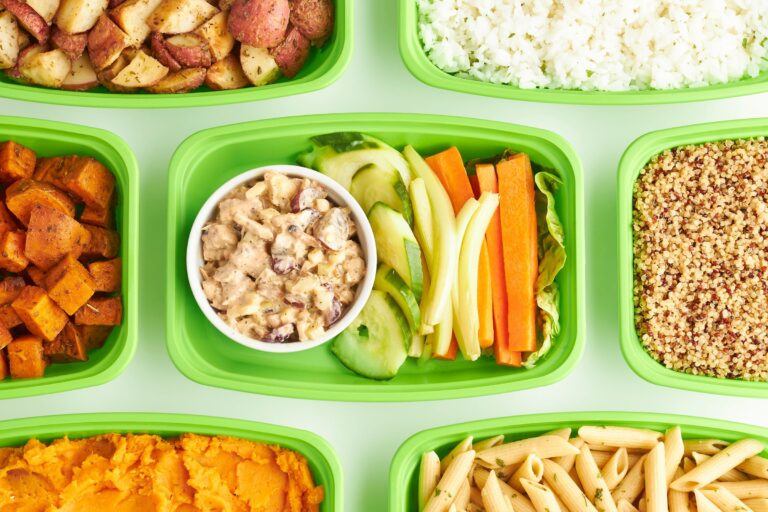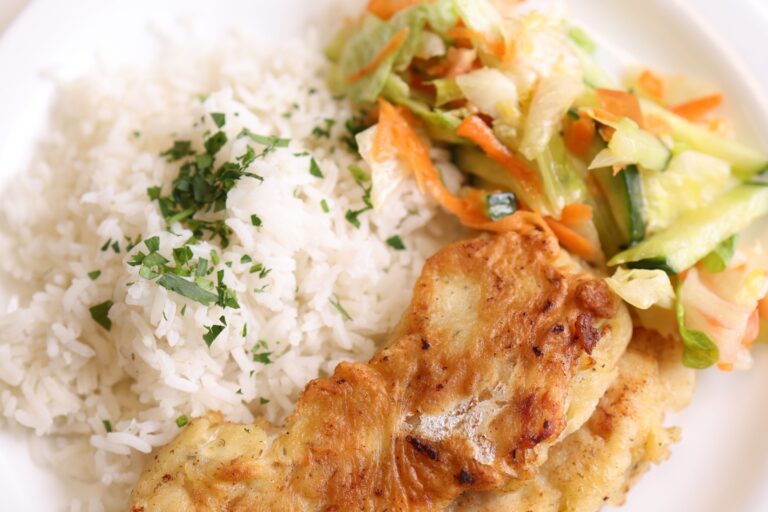

Looking for vegan meal prep ideas that show the protein in each container? Here are 9 easy make-ahead meals with 16.3 to 31.4 g of protein each, plus fiber, cal, and a fridge or freezer call. Every container uses a grain or noodle, a plant protein, vegetables, and a measured sauce.
Quick answer: where to start
Protein leader: tahini tofu quinoa bowl with sweet potato and kale, 31.4 g protein, 497 cal
Fiber leader: lentil vegetable soup, 21.8 g fiber, 21.0 g protein, 358 cal
Lightest: peanut soba noodles with edamame, 21.0 g protein, 349 cal
Numbers are per container, from USDA data. Oil and sauces are included where listed. Salt and spices are not.
Every number comes from USDA FoodData Central.[1] This is an idea list, not a meal plan. Only the tofu bowl and tempeh stir-fry land near 30 g; bean and lentil meals sit at about 16 to 21 g.
Takeaway: tofu and tempeh are the high-protein anchors. Beans and lentils still clear 16 g.
Vegan Meal Prep Ideas at a Glance
All 9 vegan meal prep ideas, ranked by protein.
| Container | Type | Protein (g) | Fiber (g) | Cal | Protein / 100 cal |
|---|---|---|---|---|---|
| Tahini tofu quinoa bowl with sweet potato and kale | Bowl | 31.4 | 10.5 | 497 | 6.3 |
| Teriyaki tempeh stir-fry with brown rice and snap peas | Stir-fry | 29.7 | 5.4* | 453 | 6.5 |
| Peanut soba noodles with edamame | Noodles | 21.0 | 7.3* | 349 | 6.0 |
| Lentil vegetable soup | Soup | 21.0 | 21.8 | 358 | 5.9 |
| White bean and spinach whole-wheat pasta | Pasta | 20.7 | 15.5 | 413 | 5.0 |
| Red lentil dal with spinach and brown rice | Dal | 20.0 | 17.4 | 390 | 5.1 |
| Black bean burrito bowl | Burrito bowl | 19.9 | 21.2 | 497 | 4.0 |
| Chickpea bulgur salad with hummus dressing | Salad | 16.8 | 14.8 | 376 | 4.5 |
| Chickpea coconut curry with brown rice | Curry | 16.3 | 14.0* | 456 | 3.6 |
* Fiber is understated: USDA SR Legacy reports no fiber value for cooked tempeh, cooked soba, or canned coconut milk. Read those rows as at least the number shown.[1]
Sums of the listed parts only. One teaspoon of olive oil is counted where a meal includes it, and every listed sauce is counted. Salt and spices are not included.
The tofu bowl and burrito bowl are the biggest meals, at 497 cal each. Tahini plus oil add 129 cal in the tofu bowl; avocado is 80 cal of the burrito bowl.
Takeaway: protein peaks with tofu and tempeh. Fiber peaks with lentils and beans.





Get Dishco on iPhone

The Vegan Meal Prep Formula
Every container uses the same pieces:
- 1. A grain or noodle: quinoa, brown rice, soba, bulgur, or whole-wheat pasta
- 2. A plant protein: tofu, tempeh, lentils, beans, chickpeas, or edamame
- 3. Two vegetables: kale, snap peas, spinach, sweet potato, cabbage, or peppers
- 4. One measured sauce: tahini, teriyaki, peanut butter, salsa, hummus, or coconut milk
The protein number is decided by the anchor: 1/2 cup firm tofu is 21.8 g, 4 oz cooked tempeh is 22.5 g, 1 cup cooked lentils is 17.9 g, 3/4 cup black beans is 11.4 g, and 1/2 cup edamame is 9.3 g. That is why tofu and tempeh reach the high 20s and low 30s, and a chickpea curry does not.
Sauce is where calories hide: 1 tbsp tahini is 89 cal, 1 tbsp peanut butter is 96 cal, and 1/4 cup canned coconut milk is 111 cal for only 1.1 g of protein. Measure those. For more mixed-bowl builds, see protein bowls.
Takeaway: pick the protein first, then add a grain, two vegetables, and one measured sauce.
How to Meal Prep Vegan Meals
Cook grains and legumes in batches, and roast or sauté the vegetables. Divide large amounts into shallow containers to cool, and refrigerate leftovers within 2 hours of cooking.[2] Label each container with the day you made it.
USDA FSIS says leftovers can be kept in the refrigerator for 3 to 4 days or frozen for 3 to 4 months.[2] Reheat leftovers to 165° F, and bring soups and sauces to a rolling boil.[2]
Keep dressings, avocado, and lime separate until you eat. For a wider prep system, see meal prep for weight loss and muscle gain.
Takeaway: cool in shallow containers, refrigerate within 2 hours, and keep cooked leftovers to 3 to 4 days in the fridge.
High Protein Tofu and Tempeh Containers
If you want high protein vegan meals in a make-ahead container, these two get close to 30 g.
Tahini Tofu Quinoa Bowl With Sweet Potato and Kale (31.4 g protein, 10.5 g fiber, 497 cal)
Portions: 1/2 cup firm tofu (21.8 g protein), 1/2 cup cooked quinoa (4.1 g protein), 1/2 medium baked sweet potato, 1/2 cup cooked kale, 1 tbsp tahini (2.6 g protein, 89 cal), 1 tbsp lemon juice, 1 tsp olive oil (40 cal).
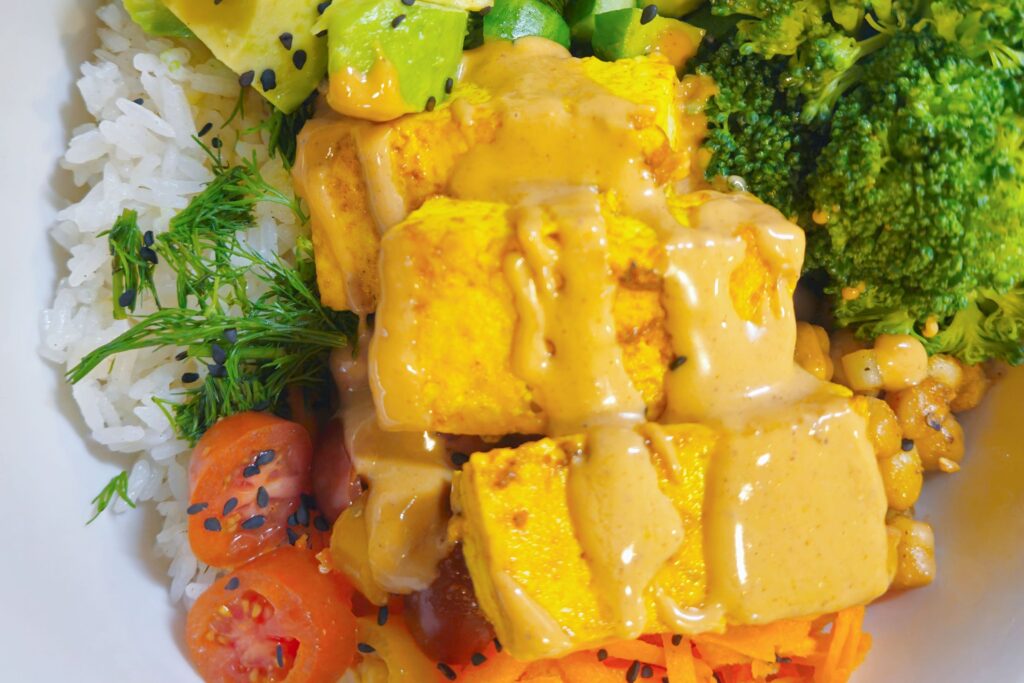
Cube and cook the tofu, pack it over quinoa with sweet potato and kale, and dress with tahini, lemon, and oil. This is the protein leader, and one of the two 497 cal containers. The photo at the top of this page is a tofu bowl over white rice with avocado, broccoli, and chickpeas; this one uses quinoa, sweet potato, and kale.
Teriyaki Tempeh Stir-Fry With Brown Rice and Snap Peas (29.7 g protein, 5.4 g fiber*, 453 cal)
Portions: 4 oz cooked tempeh (22.5 g protein), 1/2 cup cooked brown rice, 1/2 cup boiled snap peas, 1/2 cup red bell pepper, 1 tbsp teriyaki sauce, 1 tsp olive oil (40 cal).
Brown the tempeh, toss with snap peas and pepper, and pack over rice. Fiber is at least 5.4 g (USDA lists no fiber value for cooked tempeh).
Takeaway: a half cup of tofu or 4 oz of tempeh does most of the protein work.
Soups, Dal, and Curry
These three freeze well. FoodSafety.gov lists soups and stews at 3 to 4 days in the fridge or 2 to 3 months in the freezer.[3]
Lentil Vegetable Soup (21.0 g protein, 21.8 g fiber, 358 cal)
Portions: 1 cup cooked lentils (17.9 g protein), 1/2 cup cooked carrots, 1/2 cup celery, 1/4 cup cooked onion, 1/2 cup canned tomatoes, 1 cup vegetable broth, 1 tsp olive oil (40 cal).
Simmer until soft.
Red Lentil Dal With Spinach and Brown Rice (20.0 g protein, 17.4 g fiber, 390 cal)
Portions: 3/4 cup cooked lentils (13.4 g protein), 1/2 cup cooked brown rice, 1/2 cup cooked spinach, 1/4 cup canned tomatoes, 1/4 cup cooked onion, 1 tsp olive oil (40 cal).
The numbers use USDA’s cooked lentils entry; there is no red-lentil-specific row in this data set.
Chickpea Coconut Curry With Brown Rice (16.3 g protein, 14.0 g fiber*, 456 cal)
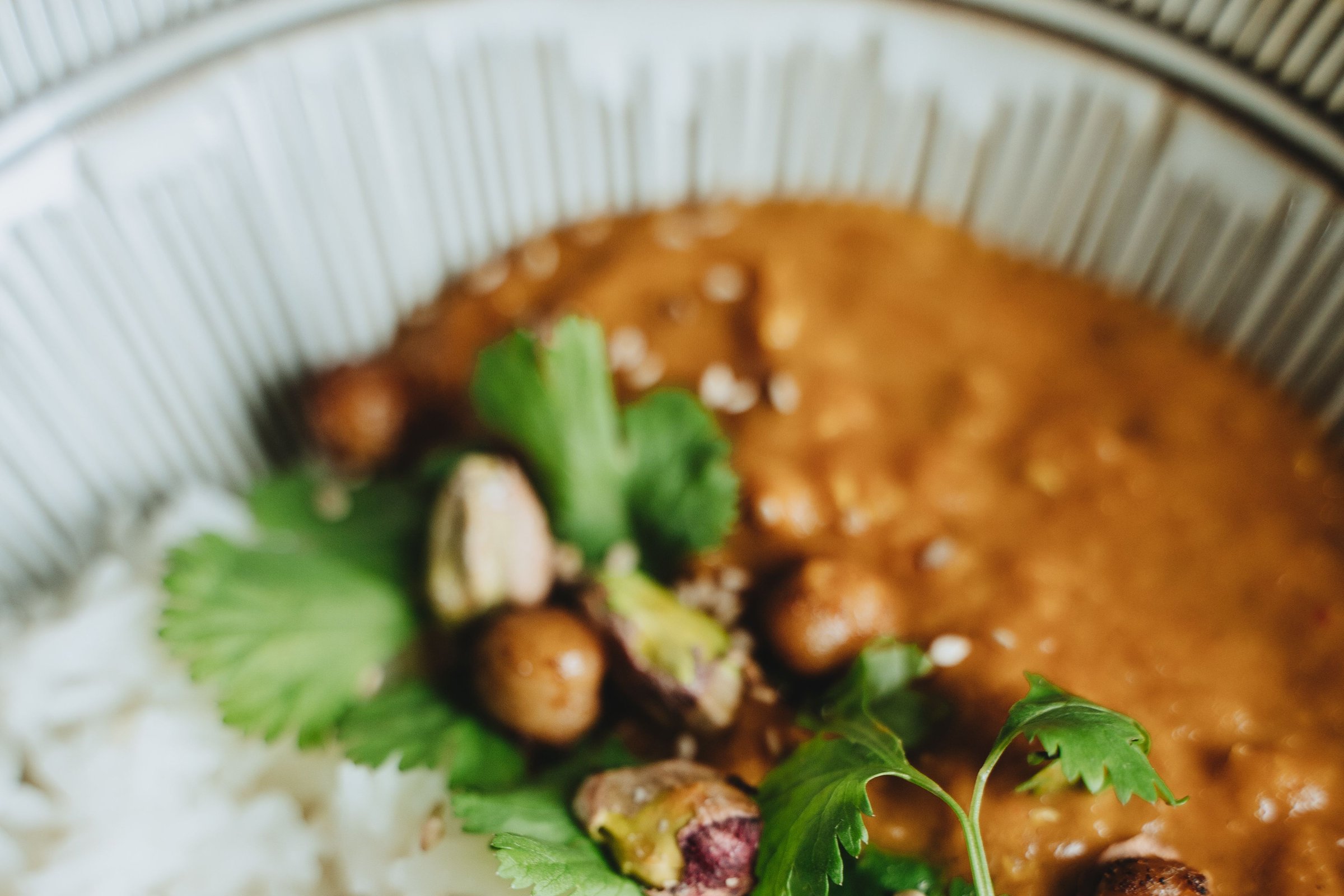
Portions: 3/4 cup canned chickpeas, rinsed (8.0 g protein), 1/2 cup cooked brown rice, 1/2 cup canned tomatoes, 1/2 cup cooked spinach, 1/4 cup canned coconut milk (1.1 g protein, 111 cal), 1/4 cup cooked onion.
Lowest protein and lowest protein per 100 cal (3.6), because coconut milk adds 111 cal for little protein. Fiber is at least 14.0 g; USDA lists no fiber value for canned coconut milk. For more protein, make the dal instead, or add edamame when you reheat (not counted above).
Get Dishco on iPhone
Takeaway: soup and dal freeze well and bring more fiber. Coconut milk makes the curry lower in protein per cal.
Grab-and-Go Bowls, Noodles, and Salads
These four pack well for the fridge. Keep dressing, avocado, and lime in their own cups.
Black Bean Burrito Bowl (19.9 g protein, 21.2 g fiber, 497 cal)
Portions: 3/4 cup cooked black beans (11.4 g protein), 1/2 cup cooked brown rice, 1/2 cup cooked corn, 1/2 cup red bell pepper, 1/4 cup salsa, 1/4 avocado (80 cal), 1 tbsp lime juice.
Layer and pack. Second for fiber, and tied with the tofu bowl at 497 cal.
Peanut Soba Noodles With Edamame (21.0 g protein, 7.3 g fiber*, 349 cal)
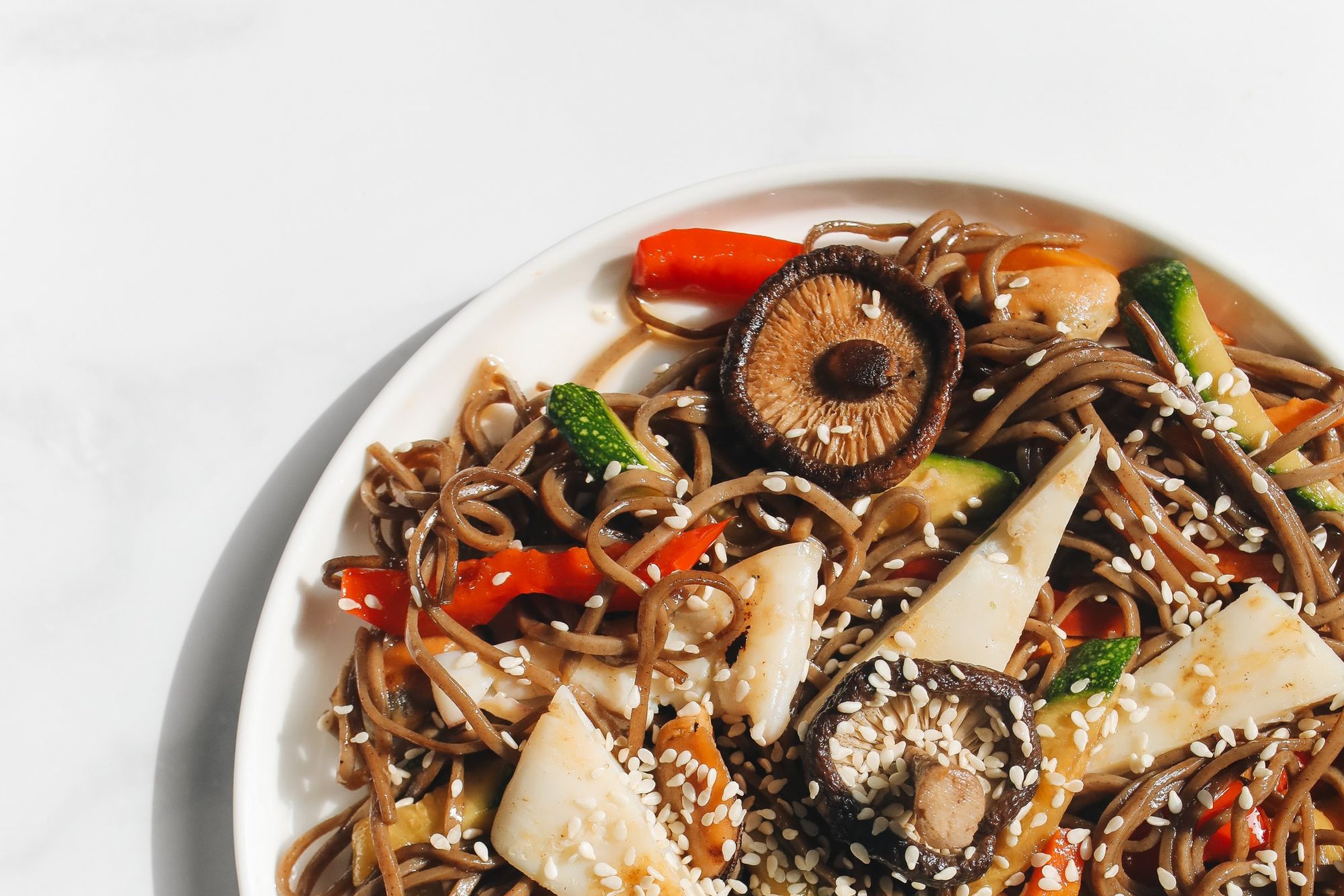
Portions: 1 cup cooked soba (5.8 g protein), 1/2 cup edamame (9.3 g protein), 1/2 cup raw red cabbage, 1/2 cup shredded carrots, 1 tbsp peanut butter (3.6 g protein, 96 cal), 1 tbsp soy sauce, 1 tbsp lime juice.
Toss the sauce with the noodles and vegetables. This is the lightest container, with at least 7.3 g fiber (USDA lists no fiber value for cooked soba).
White Bean and Spinach Whole-Wheat Pasta (20.7 g protein, 15.5 g fiber, 413 cal)
Portions: 1 cup cooked whole-wheat pasta (8.4 g protein), 1/2 cup cooked white beans (8.7 g protein), 1/2 cup cooked spinach, 1/2 cup canned tomatoes, 1 tsp olive oil (40 cal).
Warm the beans, spinach, and tomatoes, then fold into the pasta.
Chickpea Bulgur Salad With Hummus Dressing (16.8 g protein, 14.8 g fiber, 376 cal)
Portions: 3/4 cup canned chickpeas, rinsed (8.0 g protein), 1/2 cup cooked bulgur, 1/2 cup cucumber, 1/2 cup chopped tomato, 2 tbsp hummus (2.3 g protein), 1 tbsp pumpkin seeds (2.4 g protein), 1 tbsp lemon juice.
Keep the dressing separate if you like. This salad is for the fridge; it does not freeze well for texture.
Takeaway: the burrito bowl is the fiber pick. Soba is the lightest. Keep wet toppings separate.
Vegetarian Meal Prep Ideas: Three Swaps
If you eat eggs or dairy, these three vegetarian meal prep ideas use the same containers with one computed swap.
- Tahini quinoa bowl with 2 hard-boiled eggs instead of tofu: 22.2 g protein, 7.6 g fiber, 470 cal. This swap drops protein from 31.4 g to 22.2 g; tofu wins here. FoodSafety.gov lists hard-cooked eggs at 1 week in the fridge, and says not to freeze them.[3]
- Chickpea bulgur salad plus 1 oz feta: 20.7 g protein, 14.8 g fiber, 450 cal. Feta adds 4.0 g of protein and 74 cal.
- Red lentil dal topped with 1/2 cup nonfat Greek yogurt: 31.5 g protein, 17.4 g fiber, 456 cal. Yogurt adds 11.5 g of protein (20.0 g to 31.5 g) for 67 more cal, the biggest swap win.
For more single vegetarian plates, see high protein vegetarian meals. If your household eats chicken too, see chicken meal prep ideas.
Takeaway: eggs do not beat tofu in that bowl. Greek yogurt on dal raises protein the most.
Build Your Own Vegan Container
Pick an anchor first: tofu or tempeh if you want to approach 30 g, or lentils, beans, chickpeas, or edamame if you’re fine in the mid teens to low 20s. Then add a grain, two vegetables, and one measured sauce.
Be honest about the trade-off. Protein per 100 cal here runs from 3.6 (curry) to 6.5 (tempeh stir-fry). Tofu and tempeh lead. The burrito bowl and curry sit lower because avocado and coconut milk add cal faster than protein. No container here is a weight-loss promise.
For plant sides that help the total, see vegetables high in protein. For a custom bowl, use the recipe nutrition calculator. For a daily fiber check, try the fiber calculator.
Takeaway: choose the anchor first. Sauce and avocado change cal more than protein.
How Long Does Vegan Meal Prep Last?
USDA FSIS says leftovers can be kept in the refrigerator for 3 to 4 days or frozen for 3 to 4 months.[2] Refrigerate within 2 hours, use shallow containers to cool, and reheat to 165° F.[2] FoodSafety.gov lists soups and stews at 3 to 4 days in the fridge or 2 to 3 months in the freezer, as quality guidance.[3] Use the leftovers line for cooked bowls, noodles, pasta, and the salad, and the soups line for soup, dal, and curry. Texture is separate: dressings and avocado keep better in their own cups, salads freeze poorly, and noodles soften.
Takeaway: 3 to 4 days in the fridge. Soups can go 2 to 3 months in the freezer for quality; other leftovers, 3 to 4 months.
Logging Vegan Meal Prep Without the Guesswork
Weigh the tofu, tempeh, beans, or lentils once so the portions are real. Canned beans, tahini, peanut butter, and many sauces have barcodes to scan. For a mixed bowl, a photo or saying what you packed works well, and a recipe from a food site can come in by pasting its link.
Takeaway: weigh the protein anchor once. Scan or describe the sauce.
Get Dishco on iPhone
FAQ
How long does vegan meal prep last in the fridge?
USDA FSIS says leftovers can be kept in the refrigerator for 3 to 4 days.[2] Use that window for these cooked containers.
Can you freeze vegan meal prep?
Yes. FSIS lists 3 to 4 months for leftovers.[2] Soups and stews have a FoodSafety.gov quality window of 2 to 3 months.[3] Soups, dal, and curry freeze best. The salad is a fridge meal.
How do you get enough protein in vegan meal prep?
Start with tofu or tempeh if you want a container near 30 g: 1/2 cup firm tofu is 21.8 g, and 4 oz of tempeh is 22.5 g. Bean and lentil containers here land at 16.3 to 21.0 g.
What is the difference between vegan and vegetarian meal prep?
The nine containers are vegan. The three swaps add eggs, feta, or Greek yogurt. Yogurt on dal raises protein; swapping tofu for eggs lowers it.
Is vegan meal prep good for weight loss?
No single container causes weight loss. If you’re comparing, use protein per 100 cal: tempeh stir-fry (6.5) and tofu bowl (6.3) lead; the burrito bowl (4.0) and curry (3.6) sit lower.
What vegan meals reheat best?
Soups, dal, and curry reheat most evenly. Bowls and pasta are fine reheated. Eat the salad cold.
Can I meal prep a vegan breakfast too?
Yes. A soymilk hemp jar is one option on high protein overnight oats. This page stays on savory containers.
Prep Two This Weekend
You don’t need all 9 vegan meal prep ideas at once. Prep two this weekend, maybe the tofu bowl for protein and lentil soup for the freezer. Measure the protein once, and keep the fridge window at 3 to 4 days.
Editorial Sources and Fact Checking
Dishco follows clear sourcing guidelines so you can trust what you read, outlined in our editorial policy. We use trustworthy sources, including peer-reviewed research, public health guidelines, and established health institutions.
Sources
- 1 FoodData Central (SR Legacy). U.S. Department of Agriculture. 2026.
- 2 Leftovers and Food Safety. USDA Food Safety and Inspection Service. 2026.
- 3 Cold Food Storage Chart. FoodSafety.gov. 2026.