
Looking for vegetables high in protein? The honest answer is that legumes do most of the work. Edamame, lentils, and beans give 10.7 to 18.5 g per cooked cup, while most greens give 2 to 5 g. Below are 19 vegetables ranked on one consistent basis: cooked portions, with calories, protein per 100 cal, and fiber for each.
Quick answer: what vegetable has the most protein?
Edamame: 18.5 g protein per cooked cup, 188 cal
Lentils: 17.9 g per cooked cup, 230 cal
Black beans: 15.2 g per cooked cup, 227 cal
Top non-legumes: Brussels sprouts (5.6 g) and spinach (5.3 g) per cooked cup
Numbers are USDA FoodData Central for the portions shown. Cooking oil isn’t included.
Every number on this page comes from USDA FoodData Central, so the rows compare fairly.[1] Many lists mix raw and cooked portions, which is why spinach can look 1 to 3 g different from one site to the next.
Takeaway: for real protein, start with legumes. Use greens for volume and fiber.
Do Vegetables Have Protein?
Yes, but most have only a little. What vegetables have protein worth counting? Mostly the ones that are technically legumes. Beans, lentils, and dried peas like chickpeas (plus edamame) sit in two food groups at once: USDA’s MyPlate places them in both the Vegetable Group and the Protein Foods Group, and you count a serving toward one or the other, not both.[2] Green peas and baby lima beans are legumes too, though MyPlate files them with starchy vegetables. Either way, legumes top every ranked list.
Outside legumes, the numbers drop fast. A cooked cup of Brussels sprouts, spinach, or collard greens lands around 5 g. Broccoli, kale, asparagus, and mushrooms come in between 3.4 and 4.3 g. Cauliflower is 2.3 g.
One thing changes the math a lot: cooking. Greens shrink when they cook, so a cooked cup packs far more leaves than a raw cup. A raw cup of spinach is about 30 g of leaves; a cooked cup is 180 g. Every row below is cooked (except mung bean sprouts, which are raw), so you’re comparing like with like.
Takeaway: vegetables with protein worth planning around are mostly legumes. Greens help, in smaller amounts.
Highest Protein Vegetables, Ranked
Here are the highest protein vegetables by grams per portion. Protein per 100 cal shows how much protein you get for the calories.
| # | Vegetable | Portion | Protein (g) | Cal | Protein / 100 cal | Fiber (g) |
|---|---|---|---|---|---|---|
| 1 | Edamame, shelled, cooked | 1 cup (155 g) | 18.5 | 188 | 9.8 | 8.1 |
| 2 | Lentils, cooked | 1 cup (198 g) | 17.9 | 230 | 7.8 | 15.6 |
| 3 | Black beans, cooked | 1 cup (172 g) | 15.2 | 227 | 6.7 | 15.0 |
| 4 | Lima beans (baby), cooked | 1 cup (180 g) | 12.0 | 189 | 6.3 | 8.6 |
| 5 | Chickpeas, canned, rinsed | 1 cup (152 g) | 10.7 | 210 | 5.1 | 9.6 |
| 6 | Green peas, frozen, cooked | 1 cup (160 g) | 8.2 | 125 | 6.6 | 7.2 |
| 7 | Brussels sprouts, frozen, cooked | 1 cup (155 g) | 5.6 | 65 | 8.7 | 6.4 |
| 8 | Spinach, cooked | 1 cup (180 g) | 5.3 | 41 | 12.9 | 4.3 |
| 9 | Sweet corn, cooked | 1 cup (149 g) | 5.1 | 143 | 3.6 | 3.6 |
| 10 | Collard greens, cooked | 1 cup chopped (190 g) | 5.1 | 63 | 8.2 | 7.6 |
| 11 | Potato, baked with skin | 1 medium (173 g) | 4.3 | 161 | 2.7 | 3.8 |
| 12 | Asparagus, cooked | 1 cup (180 g) | 4.3 | 40 | 10.9 | 3.6 |
| 13 | Sweet potato, baked | 1 cup (200 g) | 4.0 | 180 | 2.2 | 6.6 |
| 14 | Broccoli, cooked | 1 cup chopped (156 g) | 3.7 | 55 | 6.8 | 5.1 |
| 15 | Kale, cooked | 1 cup (118 g) | 3.5 | 42 | 8.2 | 4.7 |
| 16 | Artichoke, cooked | 1 medium (120 g) | 3.5 | 64 | 5.5 | 6.8 |
| 17 | Mushrooms, white, cooked | 1 cup pieces (156 g) | 3.4 | 44 | 7.8 | 3.4 |
| 18 | Mung bean sprouts, raw | 1 cup (104 g) | 3.2 | 31 | 10.1 | 1.9 |
| 19 | Cauliflower, cooked | 1 cup (124 g) | 2.3 | 29 | 8.0 | 2.9 |
Source: USDA FoodData Central (SR Legacy), cooked unless noted.[1]
Takeaway: the top six are all legumes. After that, nothing tops 5.6 g.





Get Dishco on iPhone

Legumes: The Protein Heavyweights
Legumes are where vegetables high in protein really earn the label. They also bring the most fiber on the list.
Edamame
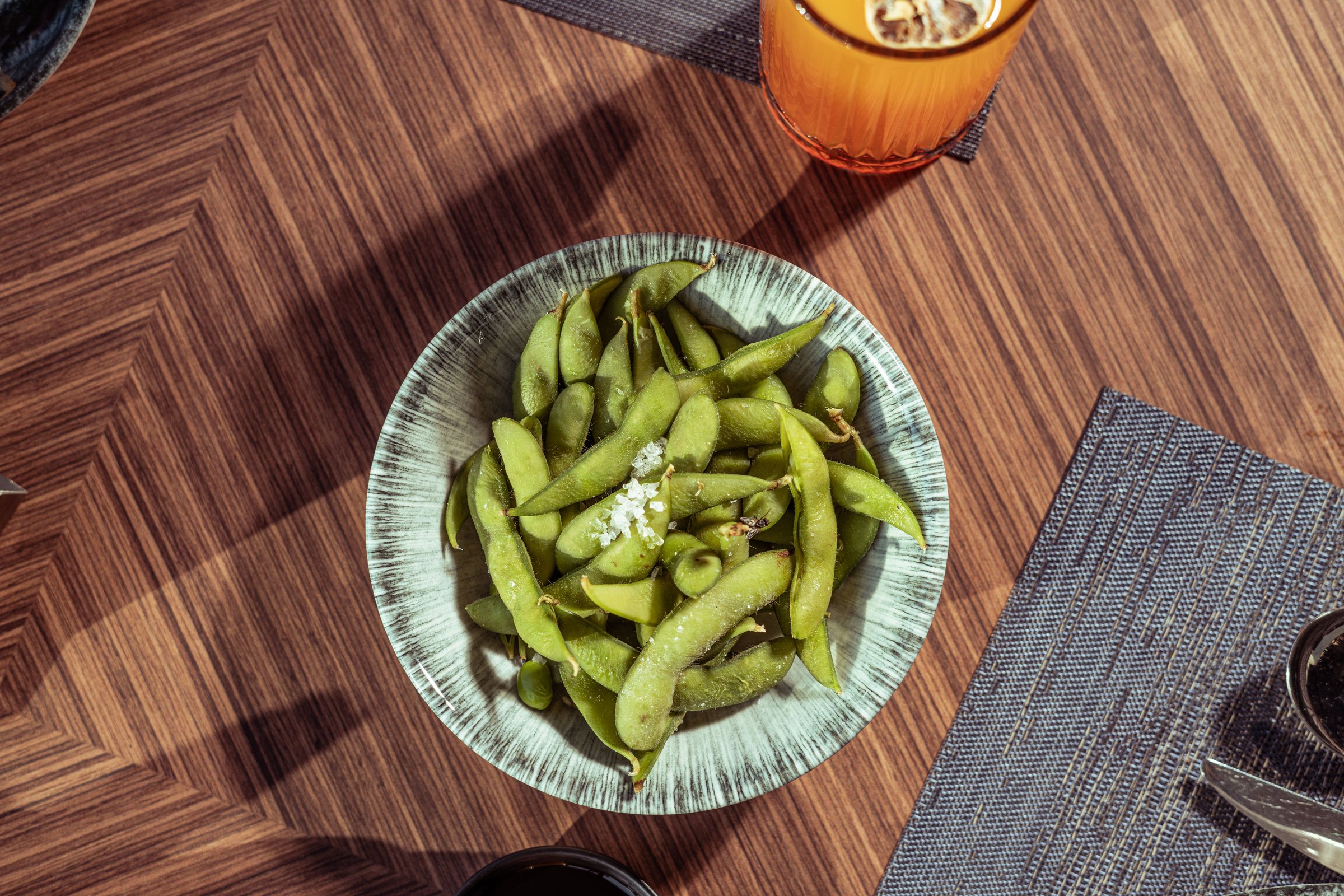
18.5 g protein and 188 cal per shelled cooked cup, plus 8.1 g fiber. Buy it frozen and shelled, then toss it into grain bowls, stir-fries, or eat it warm with salt.
Lentils
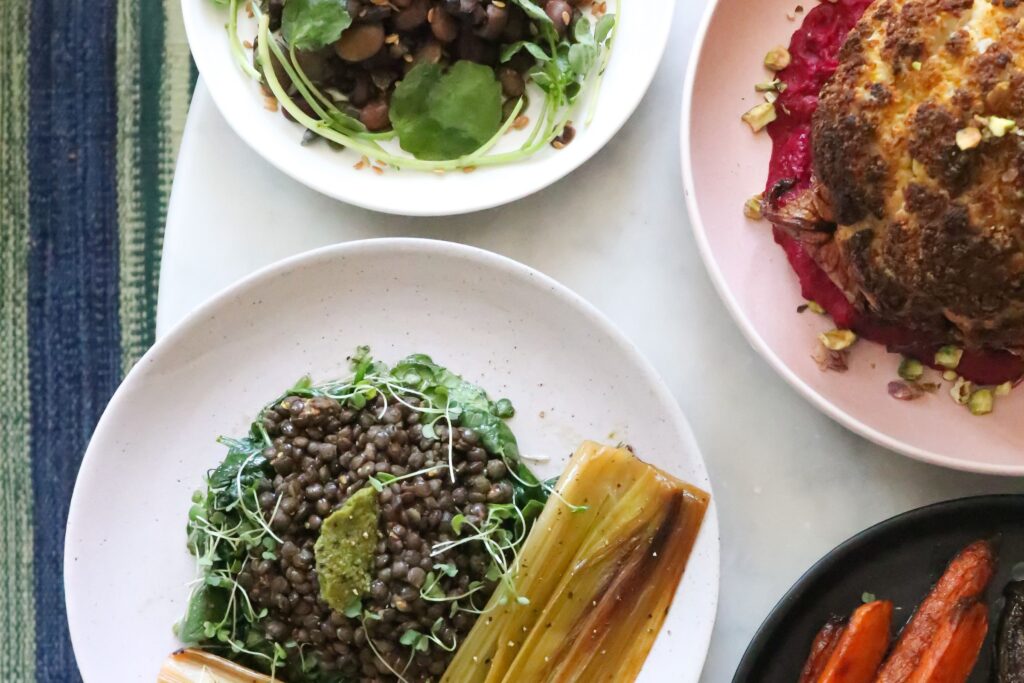
17.9 g protein for 230 cal, and the most fiber here at 15.6 g. Lentils cook in about the time it takes to make rice, and they work in soups, salads, and tacos.
Black Beans
15.2 g protein, 227 cal, and 15.0 g fiber per cooked cup. Canned and rinsed is the easy path for burrito bowls, quesadillas, and chili.
Lima Beans
12.0 g protein for 189 cal per cooked cup of baby limas. Mild and buttery, they’re good folded into succotash or a warm salad.
Chickpeas
10.7 g protein and 9.6 g fiber per cup, canned and rinsed. Roast them for a crunchy snack or blend them into hummus.
Green Peas
8.2 g protein for just 125 cal per cooked cup of frozen peas. They’re the easiest legume to add to pasta, fried rice, or soup.
For full meals built on these, see the vegetarian and vegan picks in our high protein lunch ideas. For breakfast and dinner too, see these high protein vegetarian meals.
Takeaway: one cup of edamame, lentils, or beans gives three to six times the protein of most greens.
Green Vegetables With Protein: The Best Picks
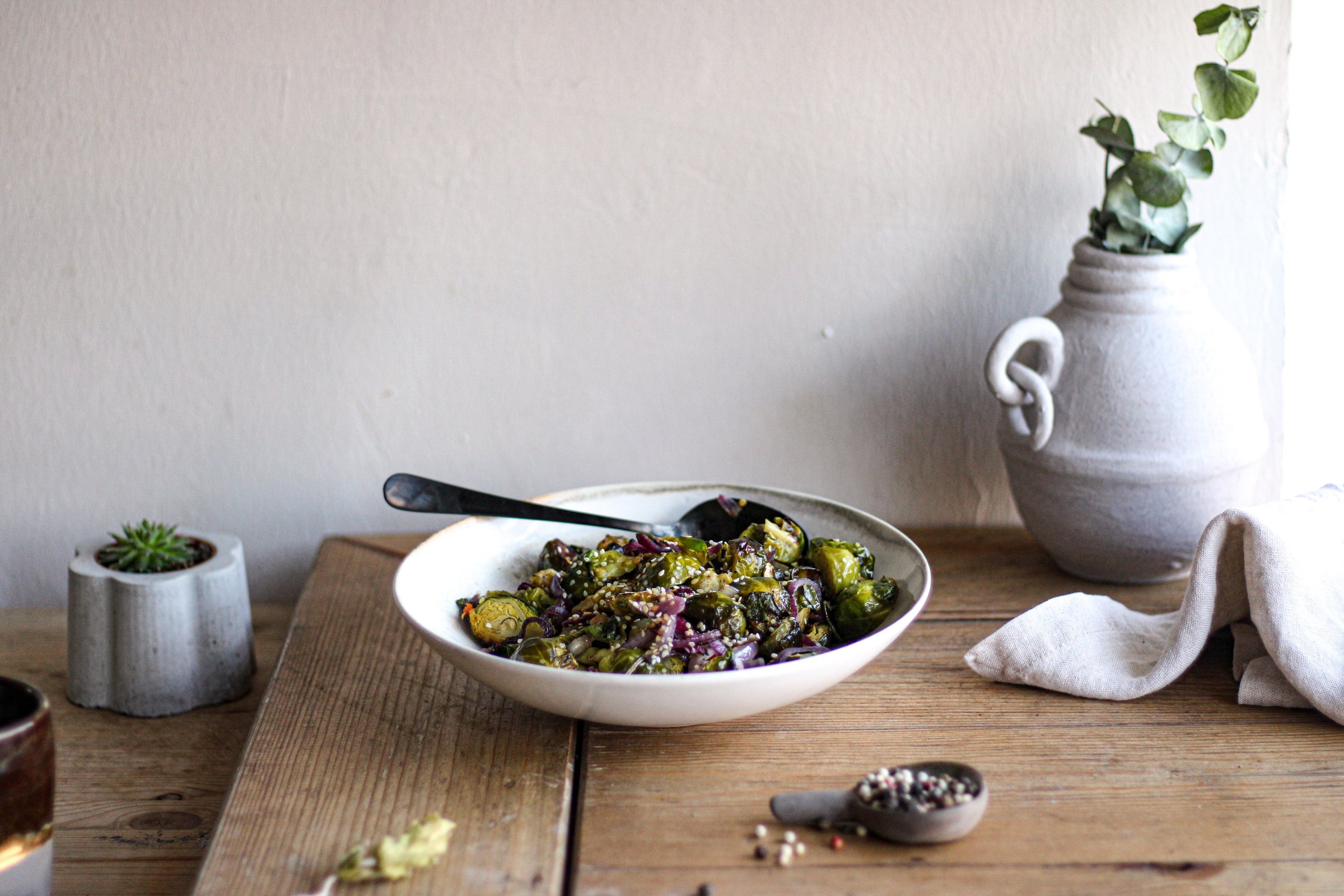
Green vegetables with protein won’t carry your day, but they add a useful few grams with very few calories.
Brussels Sprouts
5.6 g protein and 6.4 g fiber for 65 cal per cooked cup. The top non-legume on the list.
Spinach
5.3 g protein for only 41 cal per cooked cup. That’s a big pile of raw leaves, so it wilts down easily into eggs, pasta, or curry.
Collard Greens
5.1 g protein and 7.6 g fiber per cooked chopped cup, 63 cal. Braise them, or slice thin and sauté.
Asparagus
4.3 g protein for 40 cal per cooked cup. Roast or grill it as a side.
Broccoli
3.7 g protein, 55 cal, and 5.1 g fiber per cooked chopped cup. Steam it or toss it into a stir-fry.
Kale
3.5 g protein for 42 cal per cooked cup. Sauté it with garlic or stir it into soup.
Cauliflower
2.3 g protein for 29 cal per cooked cup. Low on protein, but a light base for rice swaps and roasting.
Takeaway: most greens give 2 to 5 g a cup. Eat them for fiber and volume, and count the protein as a bonus.
Starchy and Other Vegetables
These aren’t vegetables high in protein, but they sit in the middle, with very different calorie costs.
- Sweet corn: 5.1 g protein, 143 cal per cooked cup.
- Baked potato with skin: 4.3 g protein, 161 cal per medium potato.
- Baked sweet potato: 4.0 g protein, 180 cal, 6.6 g fiber per cup.
- Artichoke: 3.5 g protein and 6.8 g fiber for 64 cal per medium artichoke.
- White mushrooms: 3.4 g protein for 44 cal per cooked cup.
- Mung bean sprouts: 3.2 g protein for 31 cal per raw cup.
Takeaway: starchy vegetables are filling, but their protein is modest for the calories. Artichokes and mushrooms are the lighter picks.
Best Protein Per Calorie
If you’re watching calories, ranking vegetables high in protein by protein per 100 cal tells a different story than grams per cup. Here’s the re-sort:
| Vegetable | Protein / 100 cal | Protein per portion (g) | Cal |
|---|---|---|---|
| Spinach, cooked | 12.9 | 5.3 | 41 |
| Asparagus, cooked | 10.9 | 4.3 | 40 |
| Mung bean sprouts, raw | 10.1 | 3.2 | 31 |
| Edamame, cooked | 9.8 | 18.5 | 188 |
| Brussels sprouts, cooked | 8.7 | 5.6 | 65 |
| Collard greens, cooked | 8.2 | 5.1 | 63 |
| Kale, cooked | 8.2 | 3.5 | 42 |
| Cauliflower, cooked | 8.0 | 2.3 | 29 |
Spinach wins on ratio, but here’s the honest part: a high ratio with a small portion is still a small number. You’d need more than three cooked cups of spinach to match one cup of edamame. Edamame is the standout because it scores high on both lists.
Greens shine as volume. They fill the plate for very few calories while your main protein does the heavy lifting. For more of that approach, see our list of high volume low calorie foods and the basics of volume eating. For produce that barely registers at all, see our guide to zero calorie foods.
Takeaway: greens are efficient, not big. Edamame is the one vegetable that’s both.
Get Dishco on iPhone
What Vegetables Add Up To in a Day
Here’s a simple reality check from the table:
| Food | Protein (g) | Cal | Fiber (g) |
|---|---|---|---|
| 1 cup cooked lentils | 17.9 | 230 | 15.6 |
| 1 cup cooked spinach | 5.3 | 41 | 4.3 |
| 1 cup cooked broccoli | 3.7 | 55 | 5.1 |
| Total | 26.9 | 326 | 25.0 |
That’s 26.9 g of protein for 326 cal, and lentils supply two thirds of it. Swap the lentils for another cup of greens and the total drops sharply. Vegetables can be a real part of your protein, but most people pair them with other protein foods.
To see how that fits a bigger target, read how to get 100 grams of protein a day. Set your own numbers with the macros for weight loss calculator, and check your fiber with the fiber calculator. For tofu, tempeh, dairy, and other dense options, see high protein low calorie foods.
Takeaway: one legume plus two greens gets you near 27 g. Without the legume, it’s closer to 9 g.
Logging Veggies Without the Guesswork
Vegetable portions are the easiest thing to misjudge, mostly because of the raw versus cooked gap. A heaping cup of raw spinach and a cup of cooked spinach are very different amounts of food. If you track, log the form you actually ate (cooked or raw) and the portion, and the numbers stay honest. Frozen bags of edamame, peas, and Brussels sprouts have barcodes, so scanning is quicker than searching. For a mixed plate, typing it or saying it out loud works well, an AI photo log is handy when the bowl is already built, and a recipe can come in by pasting its link.
Takeaway: log cooked versus raw and the real portion. That’s where vegetable numbers go wrong.
Get Dishco on iPhone
FAQ
What vegetable has the most protein?
Edamame, at 18.5 g per shelled cooked cup. Lentils are close at 17.9 g. Among non-legumes, Brussels sprouts lead at 5.6 g per cooked cup.
What vegetables have protein?
All vegetables have some. Legumes have the most: edamame, lentils, black beans, lima beans, chickpeas, and green peas give 8.2 to 18.5 g per cup. Brussels sprouts, spinach, collards, and corn give about 5 g.
Do vegetables have protein?
Yes, in modest amounts. Most greens give 2 to 5 g per cooked cup. Legumes are the exception, which is why they count as both a vegetable and a protein food.[2]
Is avocado high in protein?
No. A cup of avocado cubes has 3.0 g protein for 240 cal, about 1.2 g per 100 cal. It brings 10.1 g fiber, though.[1]
Do raw or cooked vegetables have more protein?
Per cup, cooked greens usually do, because they shrink. A raw cup of spinach is about 30 g of leaves, while a cooked cup is 180 g. Per gram, cooking doesn’t add protein.
Are beans a vegetable or a protein?
Both. MyPlate lets beans, lentils, and dried peas count toward either the Vegetable Group or the Protein Foods Group, so you can use them where they fit your day.[2]
Are there high protein fruits and vegetables?
Fruits are generally low in protein; even avocado is only 3.0 g a cup. For plant protein, legumes are your best bet. For more dense options, see high protein low calorie foods.
Add One Legume a Day
If you want more protein from vegetables, the simplest move is one cup of a legume a day. Edamame, lentils, or black beans add 15.2 to 18.5 g, plus a solid hit of fiber. Then keep greens on the plate for volume: they add a few grams each and very few calories.
Vegetables high in protein are mostly legumes, and that’s fine. Pair them with greens and your other protein foods, and the numbers add up. For lunch ideas built on beans and lentils, see our high protein lunch ideas.
Editorial Sources and Fact Checking
Dishco follows clear sourcing guidelines so you can trust what you read, outlined in our editorial policy. We use trustworthy sources, including peer-reviewed research, public health guidelines, and established health institutions.
Sources
- 1 FoodData Central (SR Legacy). U.S. Department of Agriculture. 2026.
- 2 Beans, Peas, and Lentils. MyPlate, U.S. Department of Agriculture. 2026.