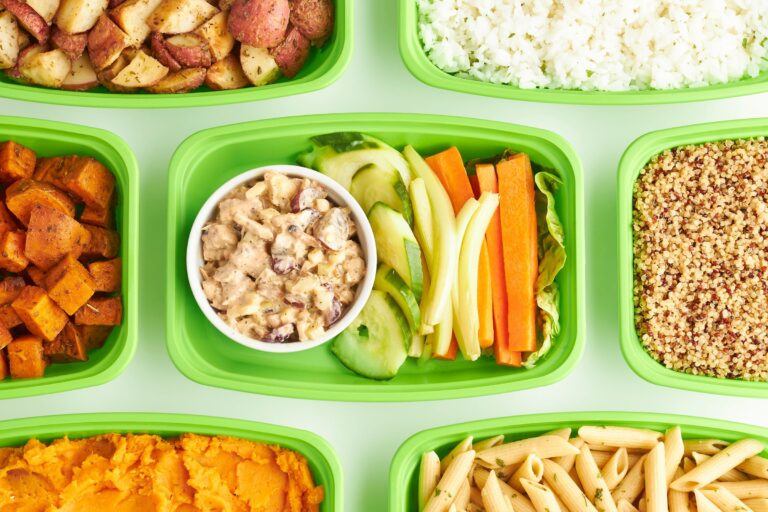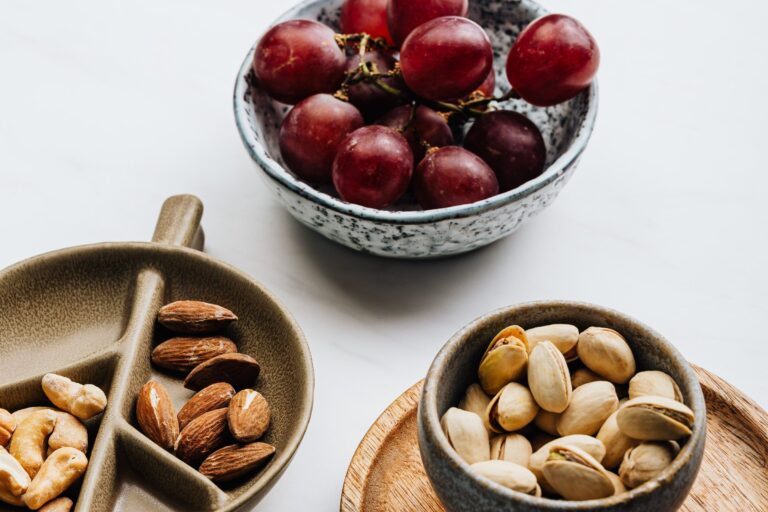


If you have ever asked what are macros, you are really asking for a plain map of the three big nutrients in food: protein, carbohydrates, and fat. Macros (short for macronutrients) are the nutrients your body uses in larger amounts for energy and everyday function. This page keeps understanding macros practical: the 4/4/9 calorie math, how to spot them on a nutrition label or a mixed plate, and a light primer on when logging helps without turning into a tool page.
Quick answer: Macros are protein, carbs, and fat. Below you get a cal-per-gram table, everyday food sources for each one, a how-to-tell checklist for labels and plates, honest ranges (not one ideal ratio), and a calm take on counting macros when curiosity shows up.
This is not medical advice. Needs vary by age, activity, goals, and health history. Take what fits your kitchen, leave the rest, and talk with a qualified professional if you need personalized guidance.
What Are Macros?
In everyday language, macros are the three macronutrients that supply most of the energy in food: protein, carbohydrates, and fat. “Macro” is shorthand. The full word is macronutrient, which simply means a nutrient you need in larger amounts than vitamins and minerals. That macronutrients definition is the whole beginner map. Nothing mystical sits behind the slang.
Most meals are mixtures, not single-macro purees. Greek yogurt brings protein plus some carbs and fat. A rice bowl leans carb-forward and still picks up protein from toppings. Olive oil is mostly fat, but you almost never eat it alone. Understanding macros starts with that mix mindset, not a fad rule that bans one nutrient overnight or promises a reinvented metabolism from cutting a food group.
Macros are not a secret diet brand, a personality test, or a reason to fear bread. They are a literacy lens: grams on a label, cues on a plate, and a cal math story that helps you read food with less fog. Once you can name the three macronutrients and spot which one is doing the heavy lifting in a meal, grocery runs and leftovers get quieter. You still eat real food. You just see the pattern underneath. Friends may talk about “hitting macros” like a sport. You can treat the same words as kitchen vocabulary instead.
Takeaway: Macros meaning = protein, carbs, and fat in larger amounts. Foods are blends. Literacy beats trendlists.
How Many Calories Are in Each Macro?
Calories measure energy. Macros are the nutrient buckets that carry that energy. They are related, not identical. The same calorie total can come from very different mixes of protein, carbs, and fat, which is why quality and context still matter even when the day math looks tidy.
Here is the standard nutrition-label math most U.S. labels use. Remember: we use cal on purpose for everyday reading.
| Macro | Calories per gram | Quick role |
|---|---|---|
| Protein | 4 cal | Build and repair tissues; supports fullness |
| Carbohydrates | 4 cal | Preferred energy for brain and activity (fiber sits here too) |
| Fat | 9 cal | Hormone support, nutrient absorption, energy density |
Fat packs more than twice the calories per gram of protein or carbs. That is why oils, nut butters, and creamy dressings move the needle fast even in small spoons. Carbs and protein share the same 4 cal per gram number, but they do different jobs in the body and on the plate. Fiber is counted under total carbohydrate on labels even though it behaves differently for fullness.
Takeaway: Learn 4 / 4 / 9 once. Then you can estimate how a food’s grams translate into energy without memorizing every brand.
Protein, Carbs, and Fat: What Each One Does
Skim each macro for its job, then for everyday food sources that fit a real grocery cart. Plant and animal options both count.
Protein
Protein’s headline job is building and repairing tissues, including muscle. It also tends to keep meals more satisfying for longer than a carb-only plate at the same calorie count. You do not need a shake wall to hit a solid protein habit. You need visible protein on the plate most days, including busy ones when dinner is leftovers and a side salad.
Everyday protein sources: eggs, Greek yogurt, cottage cheese, chicken, turkey, fish, lean beef, tofu, tempeh, edamame, beans, lentils, and protein-forward dairy alternatives. Mix it. A yogurt breakfast and a bean chili dinner still speak the same protein language. If you eat plant-forward, stack beans or tofu with grains so the plate still feels complete. If you eat animal protein, keep portions you can see and name, not mystery scraps under sauce.
Carbohydrates
Carbohydrates are the body’s preferred energy source for brain work, daily movement, and training. They show up as sugars and starches, and as dietary fiber. Fiber is not a fourth macro. It lives under carbs on the nutrition label and supports digestion and fullness while contributing fewer usable calories than starch or sugar. That is why a bowl of beans can feel steadier than a soda with the same carb grams on paper.
Everyday carb sources: oats, rice, potatoes, tortillas, bread, fruit, beans, lentils, corn, and starchy vegetables. Pair them with protein and color so a carb-forward meal still feels steady. If your plate is only white rice and sauce, add a protein and a vegetable before you blame “carbs” as a category. Fruit counts too. It is not a loophole or a trap. It is a carb source with water and fiber when you choose whole fruit over juice most days.
Fat
Dietary fat supports hormone production, helps your body absorb fat-soluble vitamins, and adds flavor and staying power. Fat is energy-dense at 9 cal per gram, so measured spoons beat free-pours when you are watching totals. Unsaturated sources (olive oil, avocado, nuts, seeds, fatty fish) often get the lifestyle spotlight. Saturated fats show up in many animal foods and some tropical oils. The goal here is literacy, not fear-mongering or a purity contest about cheese.
Everyday fat sources: olive oil, avocado, nuts, seeds, nut butters, cheese, egg yolks, and oily fish. A drizzle or a small handful is often enough to make a salad feel like dinner. Keep a mental picture of a tablespoon when oils are involved. Flavor on purpose beats accidental pours from the bottom of the bottle.
Takeaway: Each macro has a job. Inclusive food sources beat purity contests. Fiber rides with carbs.
Macros vs Micronutrients
Macros are the big three you need in larger amounts. Micronutrients are vitamins and minerals you need in smaller amounts. Both matter. A day can hit neat macro grams and still miss iron, calcium, or vitamin D if the food mix is narrow. Think of macros as the main chapters and micronutrients as the footnotes that still change the story. Colorful plants, dairy or fortified alternatives, and varied protein sources are how those footnotes show up without a supplement lecture.
A few myth cleanups, briefly:
- Water is essential for life. It is not a macronutrient in the protein/carbs/fat sense.
- Fiber is grouped with carbohydrates on labels. Helpful, not a separate macro category.
- Alcohol provides energy (about 7 cal per gram) but is not treated as an essential nutrient the way protein, carbs, and fat are. If you drink, those calories still count toward the day even though alcohol is not one of the three macros.
You do not need to memorize every vitamin chart to use this contrast. Just remember that “hitting macros” is not the same sentence as “eating well.” The two can work together when your food sources stay varied.
Takeaway: Macros fuel and structure meals. Micros polish health. Alcohol adds energy without earning “fourth macro” status.
How to Tell What Macros Are in Your Food
Once you know what are macros as a concept, the next skill is spotting them in real life. This is the practical gap most glossaries skip: how to tell macros in food when you are standing in a kitchen, not a textbook. Use the nutrition label for packaged foods, then use plate cues for mixed meals you cook or order.
On a Nutrition Facts label:
- Find serving size first so the grams match what you actually eat.
- Read Total Fat, Total Carbohydrate, and Protein in grams.
- Scan fiber under carbs if fullness is part of your goal.
- Multiply roughly with 4 / 4 / 9 if you want a quick sense of where the calories are coming from.
On a mixed plate (no label):
- Lean meat, fish, tofu, eggs, or Greek yogurt usually tilt protein.
- Rice, pasta, bread, potatoes, fruit, and beans usually tilt carbs.
- Oils, dressings, avocado, cheese, and nut butters usually tilt fat.
- Most real dinners are mixed. Name the tilt, not a fake purity score.
| Cue | Likely macro tilt | Watch-outs |
|---|---|---|
| Greek yogurt cup | Protein (+ some carbs/fat) | Flavored cups can add sugar carbs fast |
| Rice or pasta bowl | Carbohydrates | Sauces and oils quietly add fat cal |
| Olive oil drizzle or avocado | Fat | Free-pours erase a “light” salad win |
| Chicken + veg + rice plate | Mixed (protein + carbs + measured fat) | Cheese, creamy dressings, and giant grain scoops shift the mix |
| Bean chili | Carbs + protein | Cheese and sour cream toppings add fat |
| Nut butter toast | Fat + carbs (+ light protein) | Tablespoons stack calories quickly |
Practice on two items this week: one packaged snack and one homemade plate. Write the tilt in one line (“protein-forward yogurt” or “carb-forward pasta with chicken”). That tiny habit teaches faster than rereading definitions.
For grocery ideas that support satisfying plates, browse Dishco’s healthy grocery list and the budget-friendly cheap healthy grocery list. If you want plates that feel bigger for the calories, pair this literacy with high volume low calorie foods and volume eating.
Takeaway: Labels give grams. Plates give cues. The table above is judgment practice, not a weigh-every-bite lecture.






Get Dishco on iPhone

Is There an Ideal Macro Ratio?
Short answer: no single ideal macro ratio works for every body. Public Dietary Guidelines style adult ranges (often called AMDR ranges) are usually framed as percentages of calories: carbohydrates about 45-65%, protein about 10-35%, and fat about 20-35%. Those are ranges, not a personality prescription. Where you land inside them can shift with age, activity, training, and health goals.
If someone sells one locked split as the only “correct” breakdown, treat it as marketing, not universal law. Two people can both eat well with different macro mixes. Personalization beats copying a stranger’s screenshot. This page will not invent studies or assign you daily gram targets. A weekend athlete and a desk-heavy week can share the same guideline ranges and still choose different points inside them. Comfort food seasons and training blocks can nudge the mix too without rewriting your whole identity.
Curious about weight-loss macro splits later? That deeper how-to belongs on a future macros-for-weight-loss spoke, not as the spine of this definition page. For related planning helpers (not a macro calculator pitch), Dishco also has live tools like the ozempic protein calculator and PCOS calorie calculator when those contexts match your questions.
Takeaway: Use AMDR-style ranges as ranges. Your best macro breakdown is the one you can live with and adjust with a professional when needed.
What It Means to Count (or Log) Macros
Counting macros usually means logging the grams of protein, carbs, and fat you eat toward a daily or weekly target. At a high level, people pick a calorie ballpark, choose a split that fits their life, then note foods in a journal or app. That is the whole primer. You do not need a complicated equation dump to understand the idea, and this page will not pretend to be an interactive calculator.
Logging can help when you are curious about patterns, rebuilding consistency after chaotic weeks, or aiming for more intentional protein. It is less helpful when the numbers become louder than hunger, social meals, or rest. Consistency beats perfection. A calm Tuesday log that you actually finish is worth more than a perfect spreadsheet you abandon by Thursday.
Apps and notebooks are tools, not moral scoreboards. If you want a lighter feel than a heavy diary vibe, look for logging that keeps progress feeling like winning instead of a shame streak. Soft compare note: Dishco’s MyFitnessPal alternatives guide walks through tracker options when you are shopping for a fit, including when staying put still makes sense.
You do not have to count macros forever to benefit from understanding them. Many people use a short logging season to learn plate cues, then shift back to a balanced plate with occasional check-ins. That is still literacy. It is just quieter math. Think of a two-week curiosity window: notice protein at lunch, spot oil pours at dinner, then decide whether the journal still earns its keep.
Takeaway: Count macros when curiosity and consistency need a mirror. Skip the spiral. Tools should lighten the load, not become the whole personality.
Get Dishco on iPhone
When Macro Tracking Is Not the Best Fit
Macro tracking is optional. It is not the only path to eating well. If food logging starts to feel obsessive, controlling, or tied to an eating-disorder history, pause. This is not a diagnosis and not a lecture. It is permission to choose a gentler tool without calling it failure.
A balanced plate alternative works for a lot of weeks: half colorful vegetables, a clear protein, a sensible carb portion, and measured fats. You can still use the how-to-tell cues above without entering every gram. Quality still matters too. Hitting neat macro numbers on ultra-processed snacks all day is not the same as a varied plate with fiber, color, and protein you can see.
Social meals, travel days, and stressful seasons are also fair reasons to loosen the spreadsheet. Noticing macros can stay in your pocket as quiet literacy while the formal logging pause lasts.
If eating feels stressful, secretive, or like the numbers own your mood, invite help from a qualified professional who understands your history. Literacy should make food quieter, not louder.
Takeaway: Tracking is a tool. When it stops helping, a balanced plate and professional support are valid next steps.
FAQ
What are macros in food?
Macros in food are the protein, carbohydrate, and fat grams that make up most of a meal’s energy. Almost every mixed plate contains more than one. Reading the nutrition label or using plate cues helps you see the tilt without weighing every bite.
What are the three macronutrients?
The three macronutrients are protein, carbohydrates, and fat. That is the full beginner list for everyday nutrition literacy. Vitamins and minerals are micronutrients, needed in smaller amounts.
How many calories are in protein, carbs, and fat?
Protein and carbohydrates provide about 4 cal per gram. Fat provides about 9 cal per gram. Those figures are the standard label math behind most U.S. Nutrition Facts panels.
What does it mean to count macros?
Counting macros means logging protein, carb, and fat grams toward targets you chose (or a coach chose with you). It is a structured way to notice patterns. It is not required for every goal.
Is alcohol a macronutrient?
Alcohol provides energy but is not usually listed as one of the three essential macronutrients. If you drink, include those calories in your awareness even though alcohol is not protein, carbs, or fat.
Do I need to count macros to lose weight?
No. Weight loss generally needs a calorie deficit over time. Some people use macro logging to stay consistent. Others do well with a balanced plate, higher-volume foods, and simple habits. Choose the lightest method you will actually keep. Counting is optional scaffolding, not a membership card for progress.
What should my macro breakdown be?
There is no universal ideal. Adult guideline-style ranges often land around 45-65% carbs, 10-35% protein, and 20-35% fat of calories. Personalize with your activity, preferences, and professional input when needed. Comfort and consistency beat a copied influencer split.
How do macros work vs calories?
Calories measure total energy. Macros describe which nutrients carry that energy. You can hit the same calorie number with very different protein/carb/fat mixes, which is why both views can be useful for different questions. Use calories for the day total; use macros when you care how that energy is built.
Start Noticing Macros Without Obsessing
You now have a calm answer to what are macros: protein, carbs, and fat, plus the 4/4/9 math, label and plate cues, honest ranges, and a soft take on logging. Keep noticing. Skip obsessing. Name the tilt on tonight’s plate, read one label at the store, and let literacy do the quiet work. That is enough of a win for most Tuesdays. You do not need a perfect week to prove you understand the three macros.
When you want prep that makes weeknights easier, try Dishco’s meal prep for weight loss and muscle gain guide, or start from the Dishco homepage. Understanding macronutrients is a skill you can carry into any kitchen, with or without a tracking season. Carry the vocabulary. Leave the spiral. Progress can still feel like winning when the only new habit is clearer noticing.
Get Dishco on iPhone