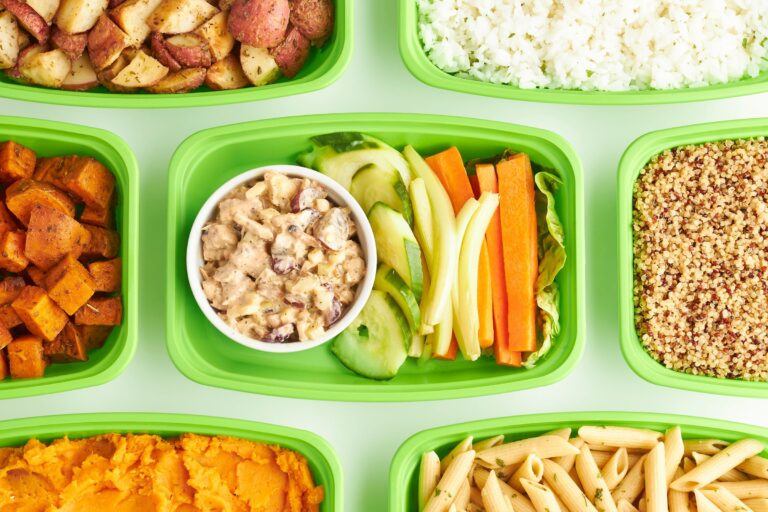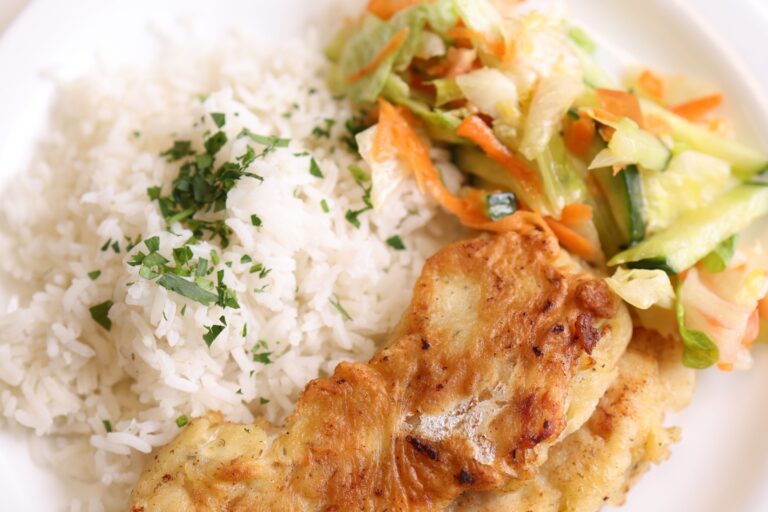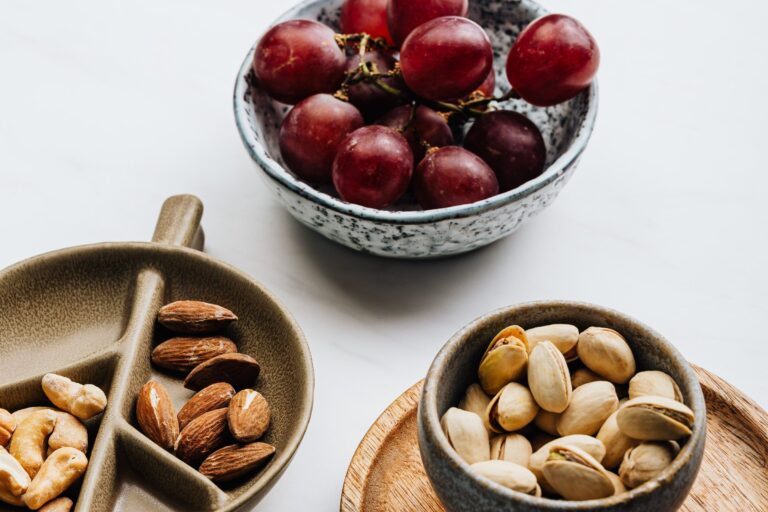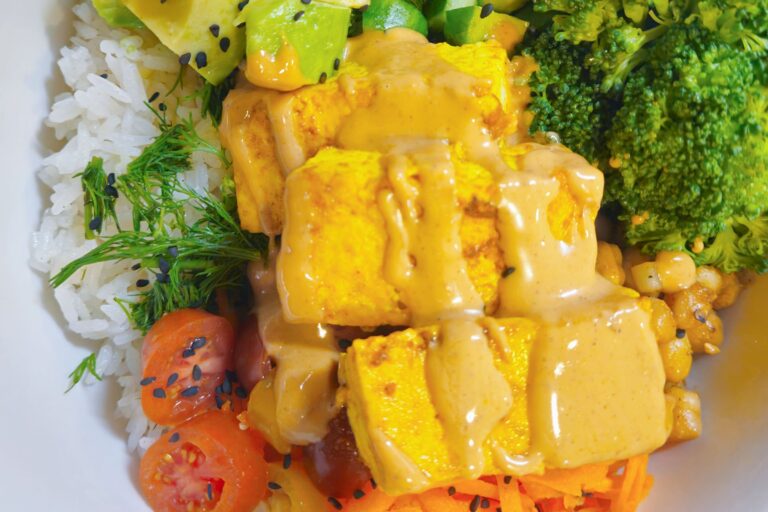

Want a cheap healthy grocery list you can actually shop this week without a sad austerity cart or a second trip by Wednesday? You are in the right place. Below you will find budget staples by aisle, a free printable checklist, and an illustrative ~$50 week cart for one adult you can scale or tweak to your store.
Quick answer: Shop proteins that stretch (eggs, beans, chicken thighs or tuna), produce fresh and frozen, grains and pantry anchors, dairy and eggs, plus simple fats and flavor. Print the pre-filled checklist, use the ~$50 sample cart as a template, and keep grocery shopping calm by planning dinners first.
For the wider lifestyle cart and general week framework, start with the live healthy grocery list hub. Prices vary by store, region, and year, so treat dollar totals as templates, not promises. This is not medical advice. Personalize to your goals, kitchen, and preferences, and check with a qualified professional if you need clinical guidance. Take what fits, leave the rest, and shop the list once.
Why a Cheap Healthy List Beats Impulse Carts
Impulse carts feel fine until the receipt hits and dinner still is not decided. A budget-friendly list works when it follows meals you already planned, not a random aisle scavenger hunt that piles snacks and forgets onions.
Here is the busy-week flow that keeps food waste down without shame:
- Plan 4-6 dinners as themes, not full recipes. Think beans and rice bowls, sheet-pan chicken thighs, egg stir-fry, pasta with tomatoes and veg. Leave one night flexible so the plan survives a late meeting.
- Check the pantry and fridge before you open notes. Cross off oil, spices, half a bag of oats, and that lonely can of tomatoes you already own.
- Write the list by aisle (proteins, produce, grains, dairy, frozen) so grocery shopping stays one calm loop instead of zigzagging.
Cheap and healthy can stack when you buy staples that pull double duty across breakfasts and dinners. Cost-per-useful-meal beats cost-per-impulse snack. The hub owns the full categorized system and general printable; this spoke zooms the budget lane with a sample cart and reusable tips. When you want dinners chosen first and the cart sorted after, plan the week in Dishco and generate the list from what you already picked.
Cheap Healthy Grocery List by Category
This budget spoke stays shallow on purpose: affordable picks you will cook, not an encyclopedia of every aisle. Grab what matches your dinners; skip what will wilt. Quantities lean solo to couple. Soft note: for the wider lifestyle cart, see the healthy grocery list hub.
Proteins that stretch
- Eggs (a dozen): breakfast, fried-rice nights, and emergency dinners when the plan slips
- Dry lentils or canned beans (black, chickpeas, kidney): chili, bowls, tacos, and stretch nights when meat is pricey
- Chicken thighs (bone-in or boneless): more flavor and usually better unit price than breast
- Canned tuna packed in water: lunch salads, pasta toppers, no-cook nights
- Tofu (optional): plant-forward stir-fries when you want a break from poultry
Rotate two or three proteins so packages do not race the date. Thighs and beans carry most weeks without feeling like a contest-prep cart.
Produce (fresh + frozen)
- Bananas: cheap fruit, oat toppers, and soft-serve vibes when frozen
- Carrots, onions, potatoes, cabbage: the affordable flavor and volume base for soups, sheet pans, and stir-fries
- Frozen broccoli or mixed vegetables: intentional backup, not an apology, for nights when fresh greens wilt first
- Optional seasonal fruit when the sticker is kind; skip premium berries if they blow the budget
Fresh and frozen both count. Use cabbage and cucumbers when you want plates that look generous for fewer dollars. For more satiety produce ideas that stay affordable, peek at high volume low calorie foods.
Grains & pantry
- Oats (rolled, store brand): breakfast default and savory bowls
- Brown rice or another whole grain you will actually finish
- Store-brand pasta: tomato nights and leftover-friendly lunches
- Canned tomatoes (diced or crushed): sauces, soups, and skillet dinners without a second produce run
- Dry beans or lentils here too if you did not grab them with proteins
Batch rice once. Extra grain becomes tomorrow’s bowl with beans or eggs.
Dairy & eggs
- Eggs again if you skipped them above
- Plain yogurt (store brand): breakfast, taco cool-down, or a quick snack with fruit
- Milk or a fortified unsweetened alternative you drink
- A little cheese you enjoy, portioned, not banned
Dairy is optional if you lean plant-forward. Eggs usually earn their keep either way.
Fats & flavor
- Peanut butter (or another nut butter): toast, oats, and snacks that stick
- Olive or canola oil: roasting and quick sautés; one bottle covers most weeks
- Basic spices you already cook with: salt, pepper, garlic powder, chili, cumin, paprika
- Vinegar, lemon, hot sauce, or salsa for nights that need personality
Restock spices when jars are empty, not every trip. Flavor is how budget food stays something you want to eat.
Sample ~$50 Week Cart (1 Adult, Illustrative)
Here is an illustrative US discount-store template for one adult cooking at home with repeat breakfasts. Dollar amounts are approximate examples only (not live store quotes and not verified week-of-publish). Your Aldi, Walmart, Lidl, or regional store will differ by city, season, and year. Adjust proteins first if your total drifts. This is a planning template near ~$50, not a hard guarantee that every shopper hits exactly $50.
| Item | Approx. price | Why it earns a spot |
|---|---|---|
| Dozen eggs | $2.50 | Breakfast + emergency dinners |
| Dry lentils (1 lb) | $1.80 | Bowls, chili, stretch protein |
| Canned black beans (2) | $1.80 | Fast fiber + protein |
| Chicken thighs (~2 lb) | $6.00 | Sheet-pan + leftovers |
| Canned tuna (3) | $3.00 | Lunch without a second cook |
| Bananas | $1.50 | Cheap fruit default |
| Carrots + onions | $2.50 | Flavor base for most dinners |
| Potatoes (5 lb) or cabbage | $3.00 | Volume sides on a budget |
| Frozen broccoli | $2.00 | Fresh vs frozen parity |
| Rolled oats | $2.50 | Repeat breakfasts |
| Brown rice | $2.00 | Dinner base all week |
| Pasta + canned tomatoes (2) | $3.20 | Tomato night + leftovers |
| Peanut butter | $2.50 | Snacks that stick |
| Cooking oil (small) | $3.50 | Roast and sauté |
| Plain yogurt | $3.00 | Breakfast or taco cool-down |
| Illustrative total | ~$40.80-$48 | Room for spices/store tax; aim near ~$50 |
Assumptions: cook at home most nights, repeat oats or eggs at breakfast, reuse leftovers for lunch, and skip bottled drinks as the default spend. For two people, plan about 1.8-2x proteins and produce; pantry staples stretch longer. Watch unit price on shelf tags, and lean on store brands for oats, beans, rice, and frozen veg when the label looks different but the bowl does not. Re-check your local stickers before you treat any line-item dollar as current.
When the sample cart is ready and you want aisle sort without the scramble, the mid-roll below is the soft path.





Get Dishco on iPhone

Free Printable Cheap Healthy Grocery List Checklist
Want this budget checklist on the fridge and in your camera roll? Grab the free printable. It is pre-filled with the categories above (proteins, produce, grains and pantry, dairy and eggs, fats and flavor), not a blank grid that leaves you guessing at 6 p.m. Common staples are already checked so you can uncheck what you already own.
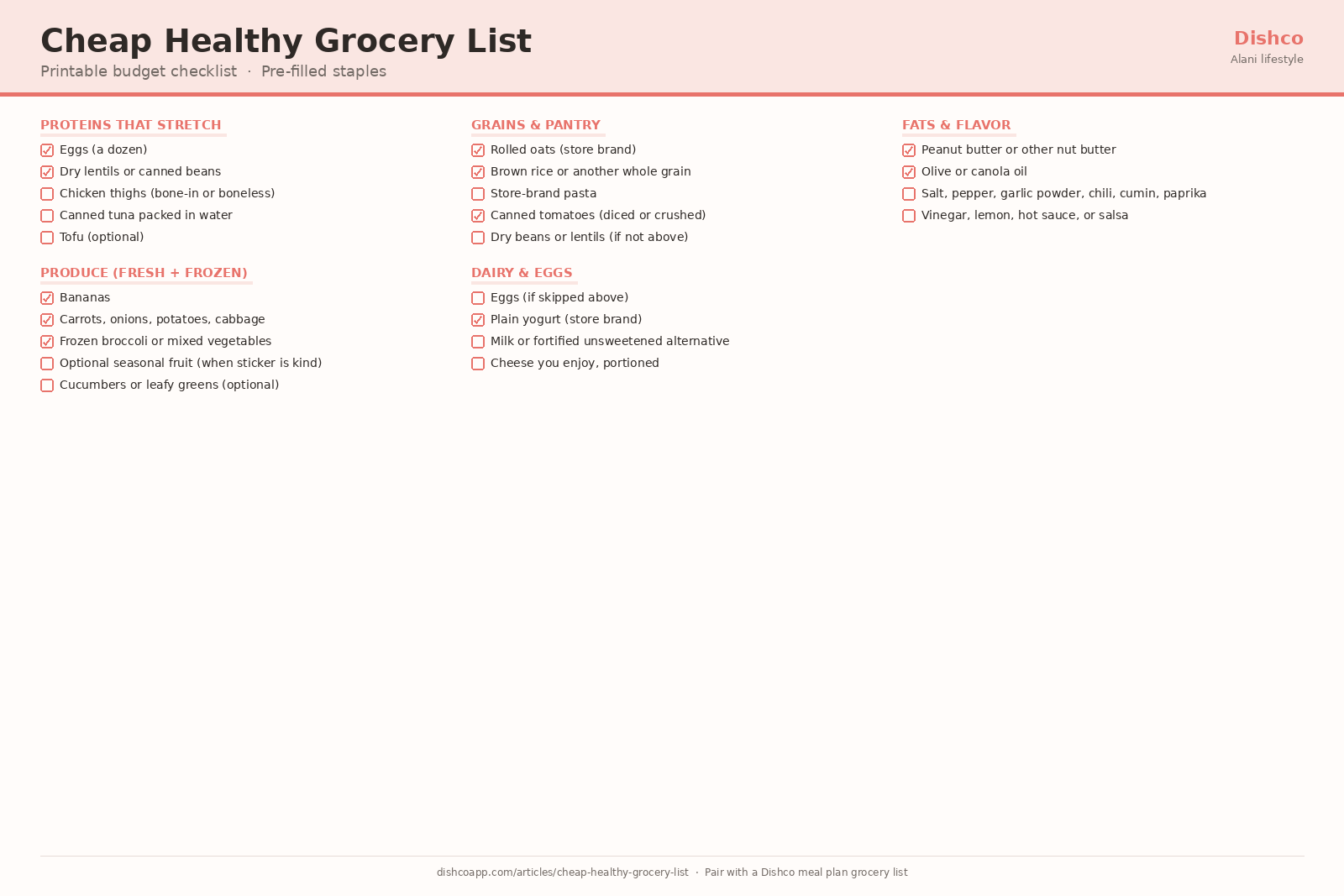
Download the printable PDF checklist (one-page pre-filled Cheap Healthy Grocery List). Print it, stick it on the fridge, and check boxes as you shop. Screenshot it for your phone if the printer is offline. The checklist mirrors the spoke staples so you are not rewriting the same lines every Sunday.
When you want the live digital path that updates with dinners (not another static note), generate a grocery list from a meal plan in Dishco. Use the printable for the fridge; use the app when the cart needs to match this week’s plan.
How to Shop a Healthy Grocery List on a Budget
Shopping a healthy grocery list on a budget is mostly timing and swaps, not a deprivation challenge. Use these tips to keep affordable staples in rotation that still feel like food you want to cook.
- Choose store brands for oats, beans, rice, frozen vegetables, and yogurt. The label looks different; the bowl usually does not.
- Treat frozen and canned as equals for cooked meals. Broccoli is still broccoli in a stir-fry, and canned tomatoes save a midweek produce run.
- Compare unit price (per ounce or per pound) instead of trusting the big sticker alone. Bigger bags win only if you will finish them.
- Shop the pantry first so you are not rebuying oil and spices every trip. That quiet bleed adds up.
- Anchor the week on eggs, oats, and beans. They are flexible, filling, and hard to mess up on a low-energy night.
- Plan one use-it-up meal midweek for wilting produce and half cans. Cutting unused food is free money against food waste.
- Use discount grocers when accessible (Aldi, Lidl, Walmart-style aisles). No affiliate maze required; just go where the unit price is kinder.
If plates feel small on cheaper produce, lean into volume eating habits and high-volume picks like cabbage, cucumbers, and frozen veg so dinners look abundant without blowing the cart.
Turn the Cart Into a Week of Cheap Meals
A priced cart only helps if it turns into dinners. Use overlapping ingredients so you shop once and cook without a second trip. This is meal planning as reuse, not a recipe-site dump.
Dinner themes (pick 3-4 nights):
- Beans and rice bowls: lentils or black beans, rice, onions, cabbage or frozen broccoli, salsa or hot sauce. Leftovers become lunch bowls with an egg on top.
- Sheet-pan chicken thighs: thighs with carrots, onions, and potatoes; oil, paprika, garlic. Remixed leftovers fill tortillas or grain bowls.
- Egg stir-fry night: eggs, frozen broccoli, leftover rice, soy sauce or hot sauce. Fast when the plan slips.
- Pasta with tomatoes and veg: store-brand pasta, canned tomatoes, onions, any leftover protein or beans. Comfort without a second shop.
Breakfast defaults (repeat): oats with banana and peanut butter, or scrambled eggs with toast and fruit. Pick one lane and stop renegotiating every morning.
Lunch defaults: remixed dinner bowls, tuna on toast or salad, yogurt with fruit, or leftover pasta. Yesterday’s dinner is still lunch, and that is the point.
Shop-once overlap: one pack of thighs covers sheet-pan and remix bowls. One bag of oats covers breakfast all week. Onions and frozen broccoli show up almost every night. Beans stretch taco-adjacent bowls without another protein buy. For batch habits that keep weeknights calm, see meal prep for weight loss and muscle gain.
Get Dishco on iPhone
What Not to Buy (When the Goal Is Cheap and Healthy)
Keep this kind. These are cart leaks, not moral failures.
- Pre-cut premium convenience when you can chop carrots and cabbage in five minutes at home
- Single-serve markup on yogurt cups, oatmeal packets, and snack packs you could portion yourself
- Name-brand cereal when oats cover breakfast for a fraction of the price
- Bottled water as a default spend if your tap is fine with a reusable bottle
- Health-halo bars and “protein” snacks that eat like candy with nicer packaging
- Impulse drinks and samples that were never on the list
Skip what will not get eaten. A shorter cart you finish beats a virtuous haul that spoils.
Frequently Asked Questions
What should be on a cheap healthy grocery list?
Start with eggs, beans or lentils, chicken thighs or tuna, bananas and hardy vegetables, frozen broccoli, oats, brown rice or pasta, canned tomatoes, peanut butter, oil, and basic spices. Add plain yogurt if you use it. Build from dinners you planned so the list matches real meals.
What are the cheapest healthy grocery staples?
Eggs, oats, dry beans and lentils, frozen vegetables, bananas, carrots, onions, potatoes or cabbage, peanut butter, rice, and store-brand yogurt or milk usually stretch farthest. Seasonal produce and unit-price checks help without punishing dinner.
Is $50 a week realistic for healthy groceries?
Sometimes, for one adult shopping discount stores, cooking at home, and repeating breakfasts. It is harder in high-cost metros, for two-plus people, or if you rely on premium proteins. Treat ~$50 as an illustrative template. Adjust proteins and produce to your receipts.
How do I grocery shop healthy on a budget?
Plan meals first, check the pantry, buy store brands and frozen veg, compare unit price, lean on eggs, oats, and beans, and schedule one use-it-up meal midweek. A list you follow beats wandering hungry. That is the core of a healthy grocery list on a budget.
Is fresh or frozen produce better for saving money?
Neither wins every time. Fresh is great in season when you will eat it soon. Frozen often wins on price and against unused greens for cooked meals. Mix both so fresh vs frozen is a strategy, not a guilt contest.
Can I get a printable cheap healthy grocery list PDF?
Yes. Use the free printable checklist in this article. It is pre-filled by budget category for paper or a phone screenshot, and the PDF download is linked in the Printable section above. Pair it with your week plan so you are not printing a blank template.
Do I need organic food to eat healthy on a budget?
No. Organic is a preference and a budget choice, not a requirement. Focus on cooking at home, eating more plants, and a list you will stick to. Affordable staples still count as healthy grocery shopping.
How do I keep the list under budget midweek?
Avoid a second full shop. Use leftovers, eggs, tuna, beans, and frozen veg for gap meals. Check unit price before impulse upgrades. If you need one item, buy only that item. Pantry-first habits beat midweek cart creep.
Get Dishco on iPhone
Turn This Week’s Dinners into a Budget Grocery List
You now have a reusable cheap healthy grocery list path: categories, a printable checklist route, and an illustrative ~$50 cart you can adapt on a budget. The last step is turning dinners into a cart that matches this week, not another static note you ignore by Thursday.
Pick three or four dinners from the themes above, then check your fridge and pantry before you write anything down. List only what those meals still need, grouped by store section, and add your breakfast and lunch defaults. Shop once, stick to the list, and save anything extra you’re tempted by for next week’s plan.
This article is educational, not medical advice. If you need clinical nutrition guidance, work with a qualified professional. For everyone else: plan the meals, print the checklist, shop once, and let the list follow the week you actually live. For the master categorized cart and general framework, return to the healthy grocery list hub anytime.