

If you want a meal plan for muscle gain that survives real weeks, build it as a reusable system: lean surplus dial, protein meal slots, staple food lists, and a printable checklist you can run without reinventing dinner every night. That beats a locked 2,800-calorie bro menu you abandon by Thursday.
Quick answer: Dial a small calorie surplus, hit high protein across 4-5 eating occasions, shop from categorized staples, assemble one sample day from generics, and print the pre-filled grocery checklist. No locked fantasy menu required.
This isn’t medical advice. Needs vary by size, training, and appetite (women and men both use the same builder logic). Strength training still matters: a surplus without lifting mostly becomes fat. You get templates and staples here, not a fake locked catalog week. Take what fits your kitchen, leave the rest, and treat the plan like a calm default you can remix when life gets loud. The printable checklist is pre-filled on purpose so you are not staring at a blank page pretending that counts as a plan. Keep the tone calm: this is lifestyle fitness planning, not a challenge week.
Lean Surplus Dial for Muscle Gain

Muscle gain needs a calorie surplus, but it does not need a free-for-all. A practical lean bulk starts near maintenance, then adds roughly 200-400 calories as a starting band. That range is a dial, not a prescription. Smaller frames, lighter training weeks, or slower metabolisms often sit toward the low end. Larger bodies or harder training blocks may need more. The point is a slow upward scale trend, not a heroic jump that floods recovery with fatigue and unnecessary fat gain.
Estimate maintenance the simple way first: track a normal week of eating, weigh yourself a few mornings, and notice whether the average holds steady. If weight is flat and you’re training consistently, nudge intake up inside that 200-400 band. Prefer adding carbs around training (rice, fruit, potatoes) before you stack extra oils and snacks. Protein stays steady. Fats stay measured. You’re aiming for lean tissue support, not an all-you-can-eat phase that ignores how clothes feel by week three.
Watch the scale as a weekly average, not a single dramatic morning. Roughly 0.25-0.5% of body weight per week is a common lean-gain cue for many people; if the line shoots up faster, dial carbs down a notch. If the line stalls for two or more weeks while lifts are progressing and sleep is decent, add another small carb bump. Women-first inclusive note: there is no male-only default calorie locked on this page. Your surplus size follows your body and schedule, whether you are rebuilding after a cut or adding tissue for the first focused season.
Keep the surplus small enough that training still feels sharp and grocery runs stay intentional. When appetite is low, liquid carbs or an extra yogurt bowl often beat forcing a huge dinner. When appetite is high, still portion the surplus on purpose so the dial stays yours. A lean bulk is patience with a shopping list, not a personality makeover.
Protein Targets for a Muscle-Gain Meal Plan
High protein is the adherence glue of this builder. Think practical ranges, not a clinic prescription: many active adults do well aiming for a solid daily protein floor based on body weight, then spreading it so each eating occasion actually delivers. A useful planning shorthand is about 25-40g protein per meal across 4-5 eating occasions. That protein per meal cue keeps breakfast from becoming toast-only and keeps late snacks from turning into dessert-only.
Front-load whole foods first. Chicken, turkey, eggs, Greek yogurt, cottage cheese, fish, lean beef, tofu, and tempeh do the heavy lifting. Powder is a convenience tool when the day runs hot, not the entire plan. If you prefer three bigger meals, push each slot toward the higher end of that 25-40g band. If you graze better on five occasions, stay nearer the middle and protect the evening slot so you don’t wake up under-fueled.
Pair those targets with your calorie surplus so carbs and fats fill remaining energy without crowding protein out of the cart. Write the protein anchor on each plate before sauces show up. That tiny habit keeps high protein visible when you are tired and tempted to call crackers a snack. This is not medical advice and not a registered-dietitian protocol. If you have a clinical condition, work with a qualified professional. For everyone else, the lifestyle win is boring consistency: protein you can see, repeated often enough that recovery feels supported across the week.
Muscle-Gain Staples: Proteins, Carbs, Fats, Veg
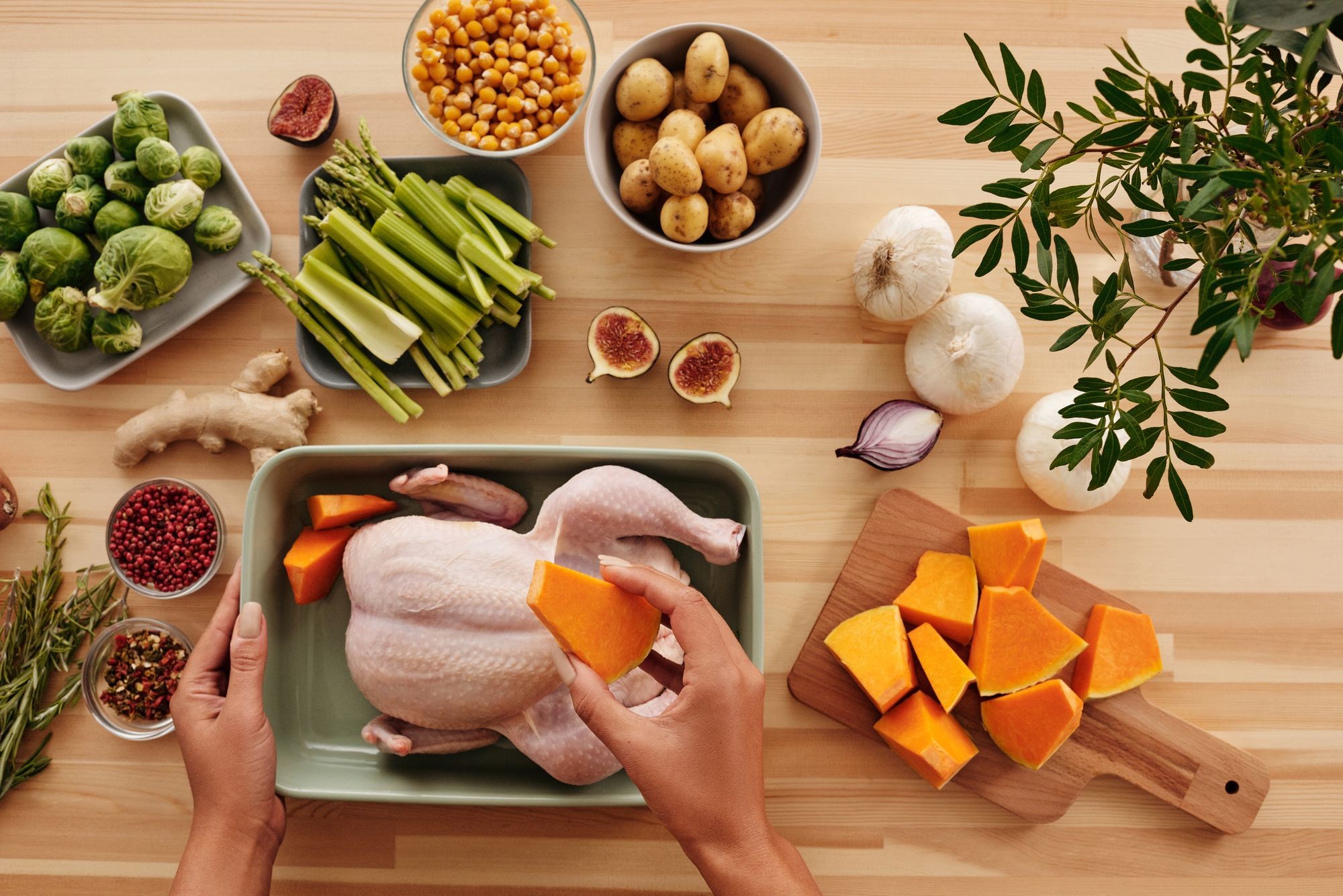
Build from the supermarket aisle, not from invented catalog recipes. These lists are generics you can swap freely. Circle what you’ll actually finish. Skip what wilts in your fridge every time. The goal is a cart that looks stocked and calm, not a cooking-show set you abandon after one ambitious Sunday.
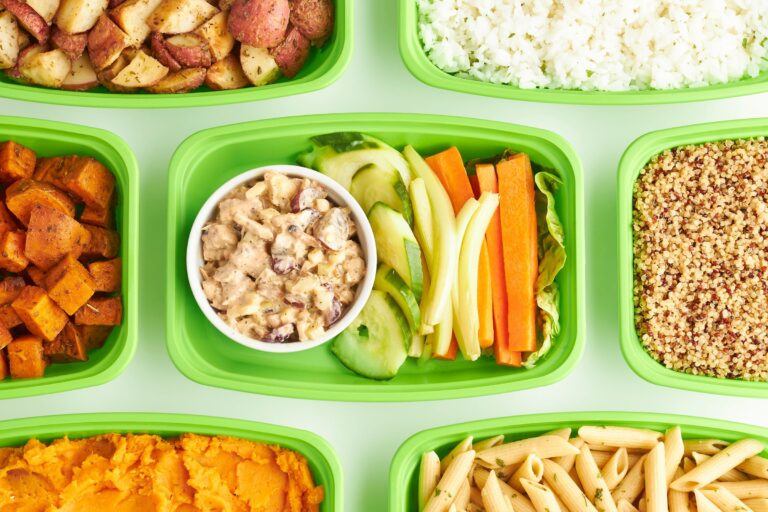
Proteins (high protein anchors): – Chicken breast or thighs – Ground turkey or lean ground chicken – Eggs, plus Greek yogurt or cottage cheese for fast slots – Fish (salmon, white fish, tuna) – Lean beef in measured portions – Tofu or tempeh for plant-forward nights – Optional whey or similar powder when life gets loud
Carbs (fuel for training and the surplus): – Oats for breakfast repeats – Rice or quinoa – Potatoes and sweet potato – Pasta or tortillas you portion on purpose – Fruit (bananas, berries, apples) for easy add-ons
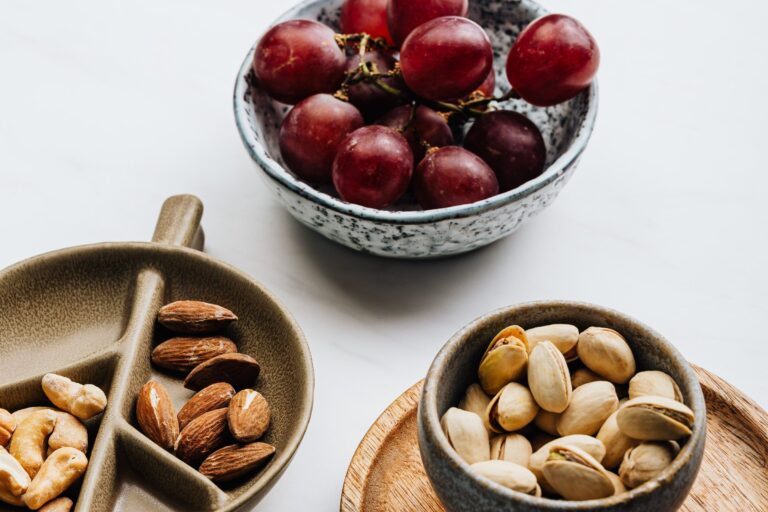
Fats (measured, not banned): – Olive oil – Avocado – Nuts or nut butter – Cheese used with a clear scoop, not an endless shred pile
Vegetables (volume and color): – Broccoli, peppers, spinach, salad mixes – Frozen mixed veg as a busy-week backup – Cucumbers, tomatoes, onions for crunch and flavor
Keep sauces and spice rubs in rotation so the same chicken breast and rice bowl does not taste like punishment by day four. The staple list is the cart backbone. When you shop, buy for eating occasions first, then add snacks that still support the lean bulk instead of random aisle grabs. If a staple always spoils in your house, drop it next week without guilt. Generics only: remix bowls, wraps, scrambles, and yogurt cups from what you already bought. Budget swings are fine too: beans or lentils can sit beside poultry when prices spike, as long as protein still shows up on the plate. Write a short circle list before you open any recipe app so you stay in staple mode rather than collecting twenty ingredients you will never use twice.






Get Dishco on iPhone

Meal Plan for Muscle Gain: Slot Builder (4-5 Eating Occasions)
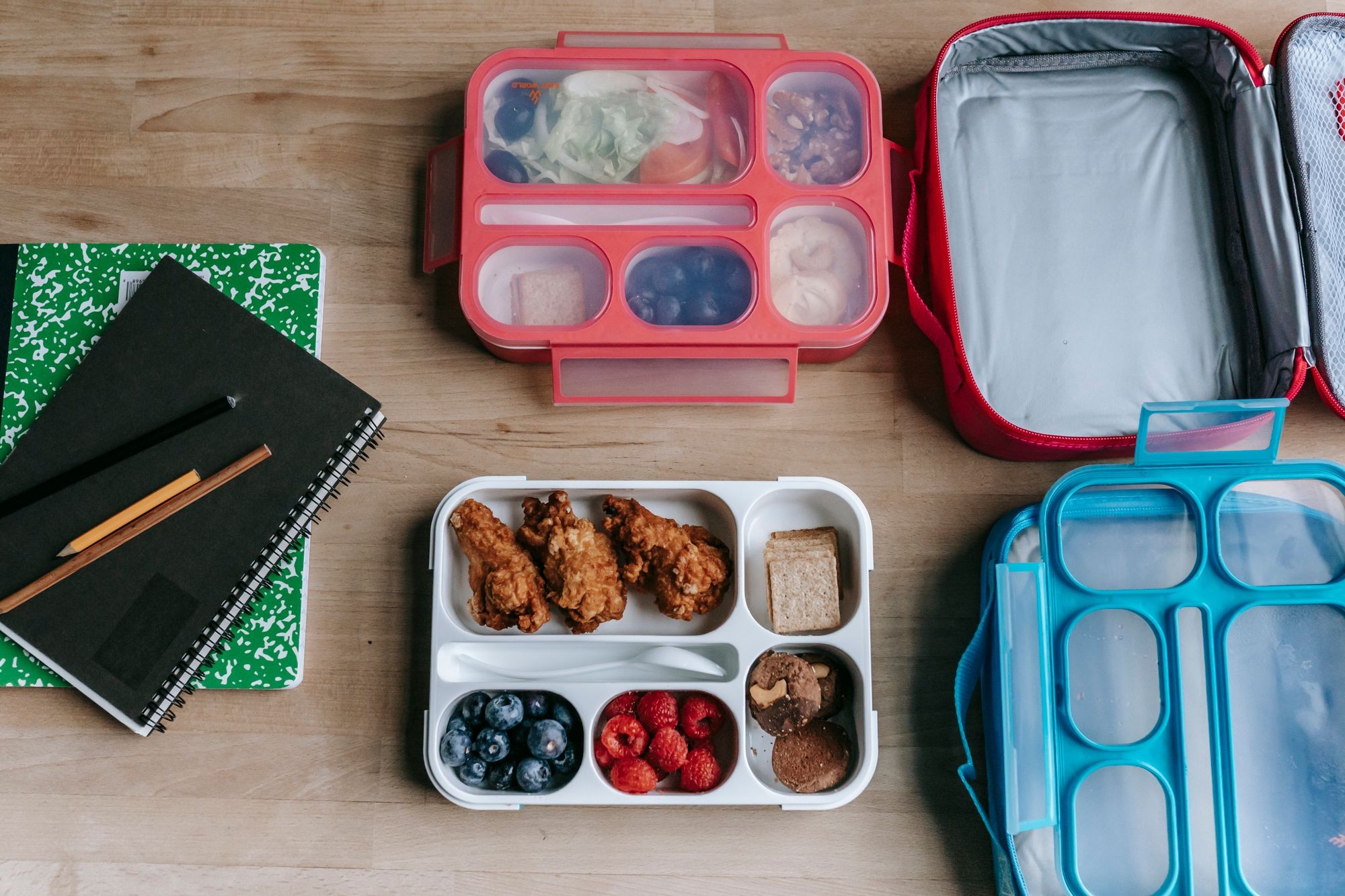
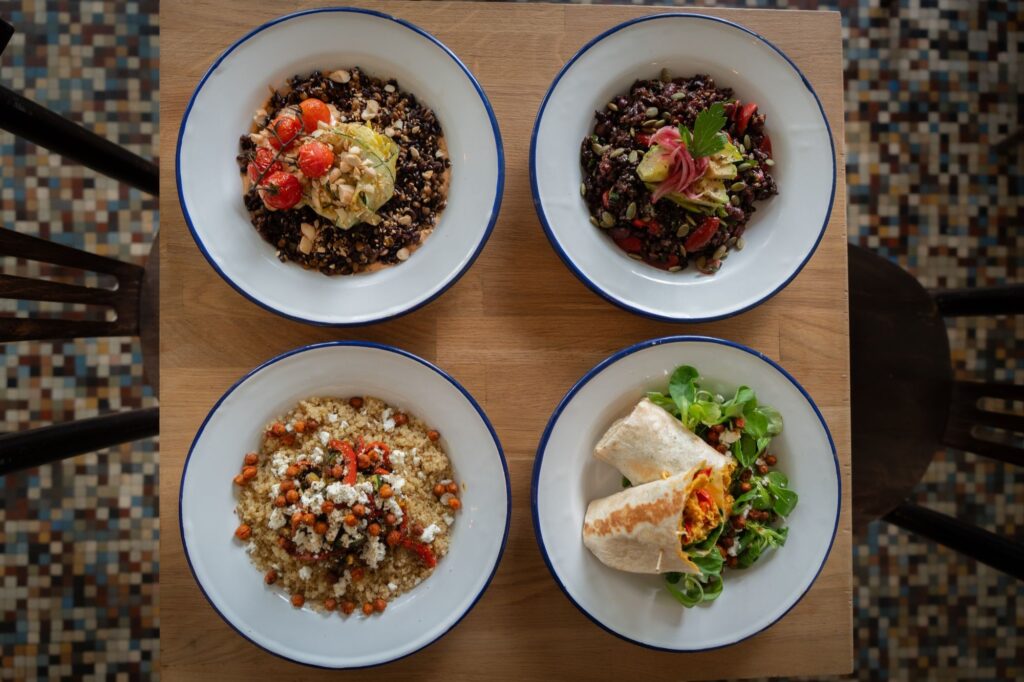
This slot builder is the plan itself: repeating eating occasions beat a brittle seven-day script you abandon. Use four or five occasions, give each one a protein target, then mix and match from the staple lists. That reusable structure is how a meal plan for muscle gain stays honest when the calendar fills up.
| Eating occasion | Protein cue | Carb cue | Veg / fat note |
|---|---|---|---|
| Breakfast | ~25-40g | Toast, fruit, or a grain bowl | Yogurt bowl or eggs + measured fat |
| Lunch | ~25-40g | Rice, potato, or wrap | Big veg pile; sauce on the side |
| Post-workout or afternoon snack | ~25-40g | Fruit or a rice cake | Easy protein (yogurt, shake, leftovers) |
| Dinner | ~25-40g | Potato, rice, or pasta | Veg-forward plate; fat measured |
| Optional evening | ~20-30g if needed | Small carb if appetite lags | Cottage cheese, yogurt, or lean leftovers |
Mix-and-match rule: pick 1 protein + 1 carb + vegetables from the lists, then add a measured fat. That is protein per meal made visible without weighing every pea. On harder training days, soft-emphasize carbs in the occasions around the session so the calorie surplus shows up where recovery needs it. On easier days, keep protein steady and let carbs sit a notch lower if the scale is climbing fast.
Repeating structure is the whole point. Monday lunch can look like Thursday lunch with a different sauce. You are not failing if the week is not a brand-new restaurant menu. Write your four or five occasions on a sticky note before you open any recipe app so you stay in builder mode. When an occasion keeps getting skipped, shrink it or move it earlier instead of pretending a locked day-by-day fantasy will save you. Consistency across the day compounds faster than a perfect spreadsheet you never reopen. If evenings are chaotic, protect breakfast and lunch first so protein per meal does not collapse into one huge dinner you cannot finish.
Think of meal slots as placeholders you refill, not a rigid timetable. If you train at lunch, slide the post-workout occasion next to that session and keep dinner calmer. If mornings are rushed, make breakfast a yogurt-forward repeat and put more chewing at lunch. The builder stays the same; only the clock moves. Women and men can share this template while changing scoop sizes. That flexibility is why meal slots outperform a locked brochure week that assumes your Tuesday never changes.
Get Dishco on iPhone
One Sample Day (Assembly Framework)
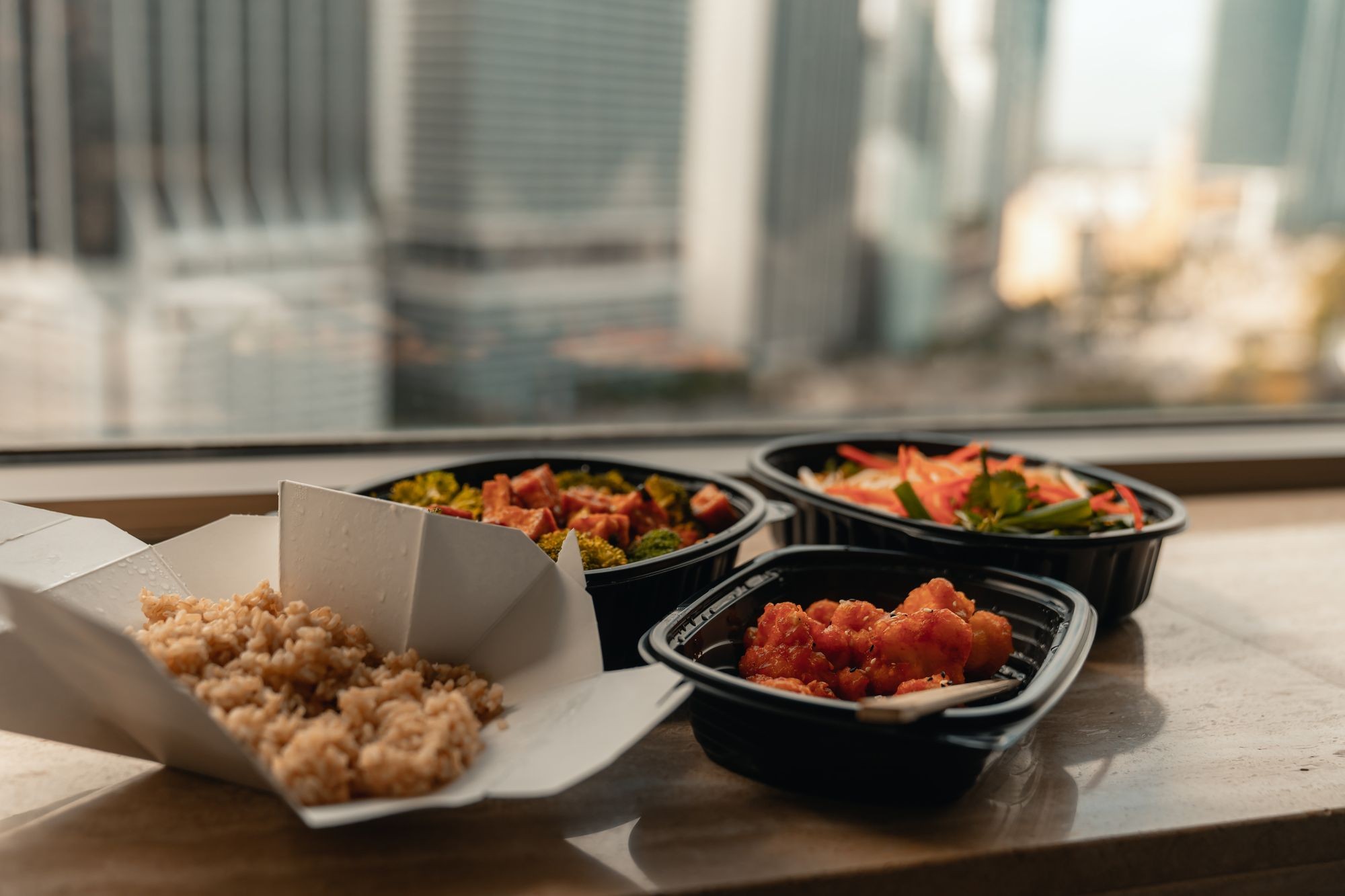
Here is one day assembled from supermarket generics so you can see the builder working. Ranges are approximate. Swap freely. This is a framework for a muscle-building day, not a locked catalog script.
Breakfast: Bowl of oats cooked in milk or water, scooped Greek yogurt on top, berries, and a spoon of nut butter. Protein landing zone roughly mid-band for the morning occasion.
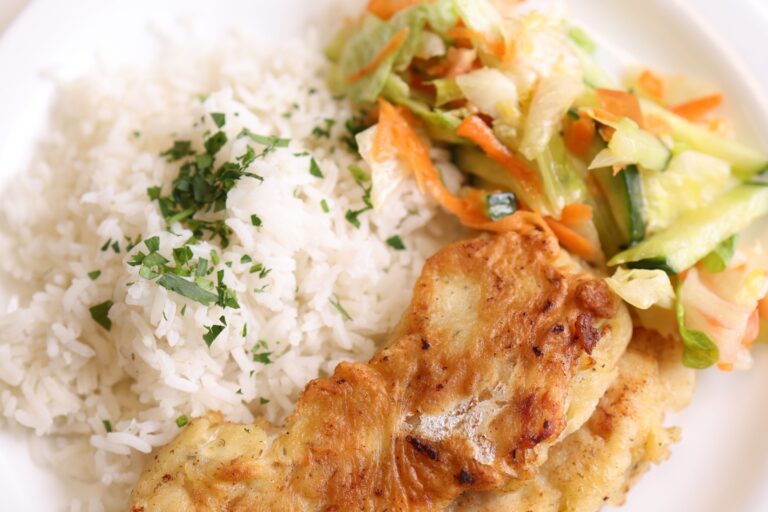
Lunch: Grilled chicken breast over rice with broccoli and peppers, olive oil drizzle, salsa or a simple spice rub. High protein plate, clear carb scoop, veg that actually fills the bowl.
Afternoon snack: Cottage cheese or a yogurt cup with fruit, or leftover chicken in a tortilla if you need more chew after training.
Dinner: Turkey or tofu with a sweet potato, big salad or frozen veg mix, avocado measured on purpose. Same structure as lunch, different flavors.
Optional evening: Greek yogurt or a small shake if you still need protein and the surplus feels short.
Swap anything from the staple lists. Do not treat this as a locked catalog week.
If you have a smaller frame or lighter appetite, keep the same occasion structure and shrink the carb scoops first rather than deleting protein. If you are hungrier on lift days, add fruit or an extra rice scoop around training instead of inventing a second menu. One sample day is a proof of concept, not a seven-day mandate. Remix tomorrow with salmon instead of chicken breast, potatoes instead of rice, and the plan still holds. Pack sauces separately when you can so reheated leftovers stay pleasant instead of soggy. The builder wins when tomorrow looks familiar enough to execute without a new shopping trip.
Free Printable Muscle-Gain Grocery Checklist
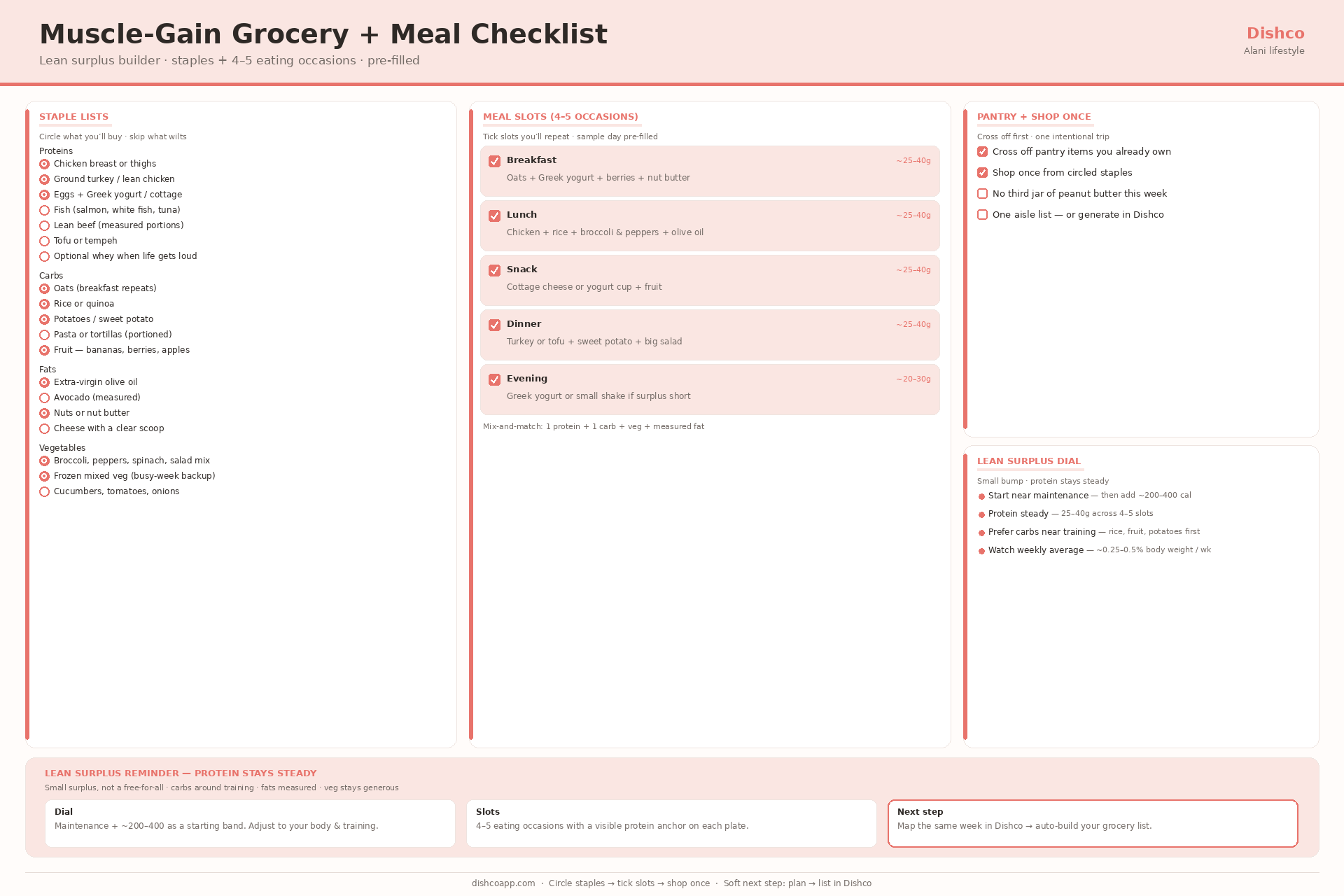
Download the printable PDF checklist (one-page pre-filled muscle-gain grocery and meal-slot checklist). Print it, stick it on the fridge, and check boxes as you go.
Printables only help when they are already filled. This printable checklist matches the article: proteins, carbs, fats, veg, plus checkboxes for your eating occasions. It is a pre-filled grocery list companion for your meal plan for muscle gain, not a blank page pretending to be a plan.
Circle the staples you will actually buy this week. Tick the occasions you intend to repeat. Cross off pantry items you already own so you do not buy a third jar of peanut butter. Soft next step: rebuild the grocery list from the meals you already chose so the cart matches the week. Keep the sheet on the fridge or in your notes app. When the week gets loud, the checklist is the bridge between “I meant to eat for muscle” and “I actually have chicken, rice, and yogurt at home.” Print one copy for the kitchen and snap a photo for your phone so the aisle version travels with you. If you shop with a partner, share the photo so duplicate bags of spinach stop happening. The printable checklist should feel like a packed bag for the week, already labeled, not a homework worksheet.
Batch Once So the Plan Survives Busy Weeks
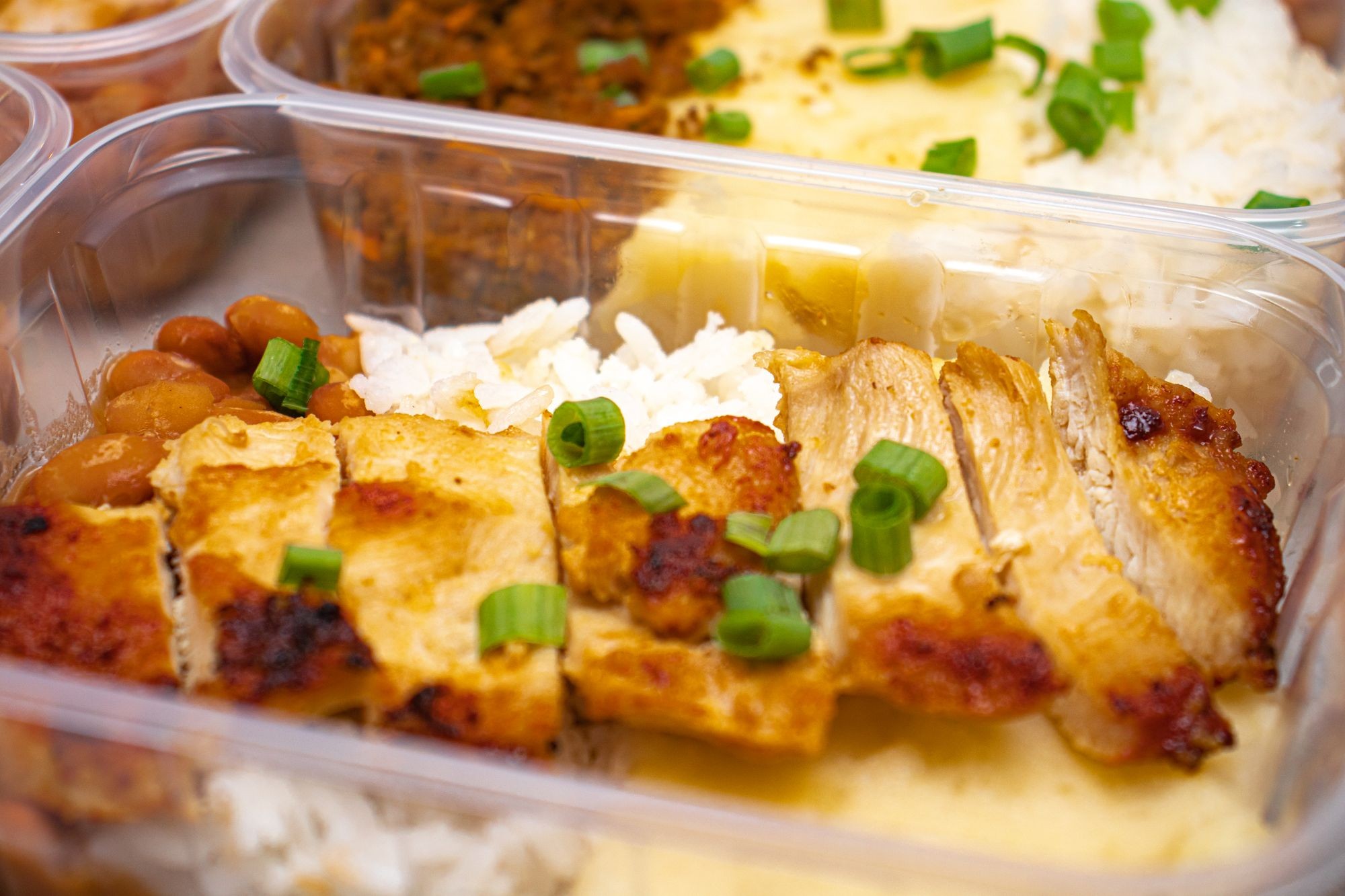
A short meal prep habit keeps the builder alive when Tuesday gets chaotic. In one session, cook two or three proteins, two carbs, and a tray of vegetables. Cool, portion, and park them where you can see them. Fridge life for most cooked staples is about 3-5 days; freeze extras you will not finish. Sauces on the side keep textures happier when you reheat.
You do not need a full meal-prep essay here. Batch once, assemble from your planned occasions all week, and refresh midweek if the containers run low. Label containers with the day or the protein so mystery boxes do not win on Wednesday night. Keep the prep habit small enough that you will actually do it. Pair the prep session with the grocery list you already circled so you are not improvising in the aisle after a long day. Set a simple timer for the cook block, wipe the counters once, and close the kitchen so Sunday still has a life attached to it.
Get Dishco on iPhone
Frequently Asked Questions
How many calories do I need for a meal plan for muscle gain?
Start from your own maintenance estimate, then add a small calorie surplus (often roughly 200-400 as a practical dial). There is no universal number that fits every body. Track a weekly scale average and adjust carbs before you panic-overhaul the whole plan. Appetite, step count, and training volume all move the target, so treat the first two weeks as calibration rather than a forever lock.
How much protein should I eat to gain muscle?
Use a practical daily floor based on your body and training, then spread intake so protein per meal lands around 25-40g across 4-5 occasions. Whole foods first; powder as backup. This is planning guidance, not a medical prescription. If recovery feels flat, check protein distribution before you only add random snacks.
Will I gain fat on a lean bulk?
Some fat gain is common even in a careful lean bulk. Keeping the surplus modest and training hard limits how much. If the scale races upward, dial carbs down and reassess sleep, steps, and portion drift. Clothes and weekly averages tell a clearer story than one dramatic morning weigh-in. Day-to-day water noise is normal; relative percent change over weeks is usually clearer than a single swing. When you rotate into a cut, the weight loss percentage calculator makes that relative math quick.
Do I need a locked 7-day menu?
No. Repeating eating occasions with staples you like usually beats a brittle seven-day script. One sample assembly day is enough to learn the pattern; remix from the lists after that. Locked menus look impressive in screenshots and fall apart the first time dinner plans change.
Can women use the same muscle-gain meal plan approach?
Yes. The builder logic is the same: surplus dial, high protein occasions, staples, checklist. Portion sizes and total calories differ by body and goals. This page is women-first inclusive on purpose, not a male-only default. Swap foods you prefer; keep the structure.
Should rest days look different from training days?
Often a little. Keep protein steady. Soft-shift carbs down on rest days if appetite or the scale suggests it, and keep carbs handy around hard sessions. The diet plan for muscle gain still uses the same daily structure; only the carb dial moves. You do not need a totally different menu just because the barbell stays home.
What if I struggle to eat enough?
Add easy surplus tools: rice, fruit, yogurt bowls, smoothies, and an extra snack occasion. Liquid or soft foods help when chewing a huge dinner feels impossible. Keep protein anchors in place while you raise carbs. Eating on a schedule (even simple repeated bowls) often beats waiting until you feel ravenous at 9 p.m.
Get Dishco on iPhone
Put This Muscle-Gain Builder to Work This Week

Ready to run this lean bulk week without another sticky-note spiral? Map your eating occasions on the printable checklist, write the grocery list from what you chose, shop once, then batch what you need for the busy days. That plan-to-list path is the whole habit: surplus dial and staples stay yours; the cart stays honest because it came from meals you already decided.
Build the week you will actually eat. This isn’t medical advice; personalize for your size, training, and preferences, and talk with a qualified professional if you need clinical guidance. When the printable checklist and your shopping list agree, lean gain weeks get quieter, and that is the win worth repeating. Keep remixing from the same staples until the routine feels automatic and the grocery run stops feeling like a weekly reinvention.