

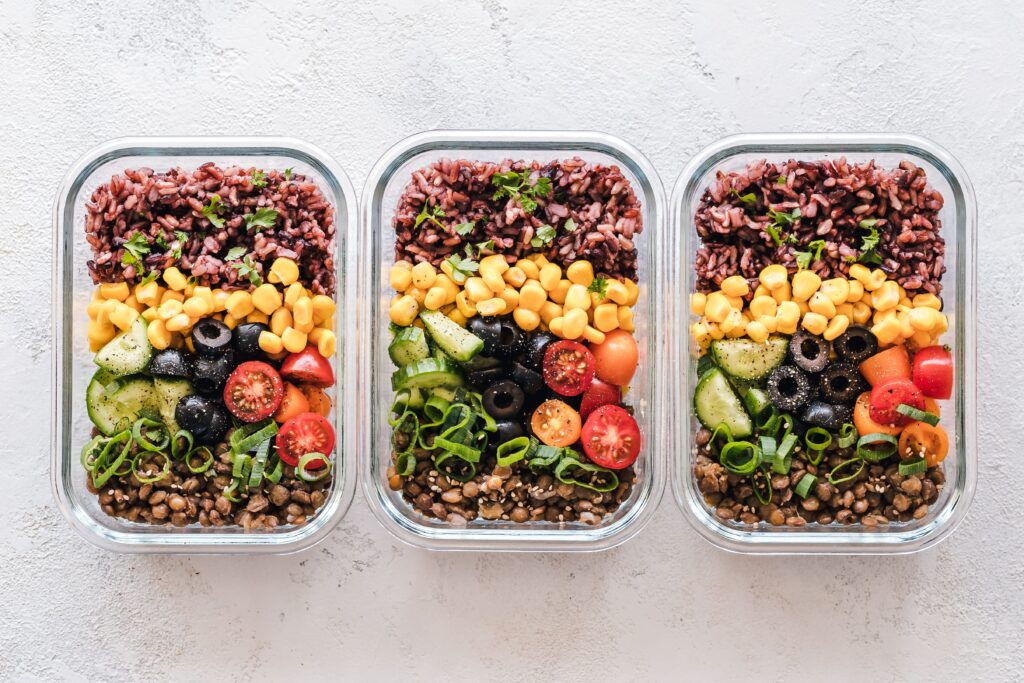
If your weeknights keep dissolving into takeout, meal prep for weight loss and muscle gain works best as a reusable Sunday system, not a blank calendar and twelve new recipes. You get protein-first batch anchors, a printable checklist already filled with the cook blocks that matter, a timed session map, and a clear path from plan to cart before you preheat the oven.
Quick answer: Use one plate template, pick a short list of weekly anchors, run a ~90-minute Sunday prep session, print the pre-filled Sunday checklist, then dial portions for a slight deficit or lean surplus while protein stays steady.
This isn’t medical advice. Personalize to your goals, training, and preferences. You will not find an invented locked week menu here. The anchors stay reusable so you can remix bowls, wraps, salads, and scrambles without starting over every Sunday. Take what fits your kitchen, leave the rest, and treat the system like a calm default rather than a perfection project.
Why Prep Beats Willpower for Recomp Goals
Body recomposition (losing fat while holding or building muscle) leans on three boring truths: a slight calorie deficit when fat loss is the priority, enough protein across the day, and strength work you can actually show up for. Willpower at 6 p.m. is the weak link. High protein meal prep removes the decision when you’re tired, hungry, and one delivery app away from undoing the morning.
Prep does not need perfect macros. It needs food you will reheat without resentment. Consistency beats a heroic spreadsheet you abandon by Wednesday. When lunch is already portioned, you stop bargaining with yourself in the office kitchen. That quiet win stacks across the week faster than any motivational quote on your fridge.
Protein targets (practical, not a prescription):
| Meal slot | Practical target |
|---|---|
| Main meals (lunch / dinner) | About 25-40g protein per meal |
| Breakfast or big snack | Aim for a clear protein anchor (eggs, Greek yogurt, tofu scramble) |
| Day total | Enough that you feel recovered and full; personalize with a pro if you need clinical precision |
That protein per meal cue is a planning shorthand. It is not a medical dose. Recomp tends to feel more forgiving if you’re newer to lifting, returning after time off, or carrying more body fat to lose. Advanced trainees still benefit from prep, but the scale move can be slower. Either way, batching lean dinners beats hoping tonight’s self will “be good.” Keep the targets visible while you shop so protein does not become an afterthought once sauces and snacks fill the cart.
The Simple Plate Template (Protein First)
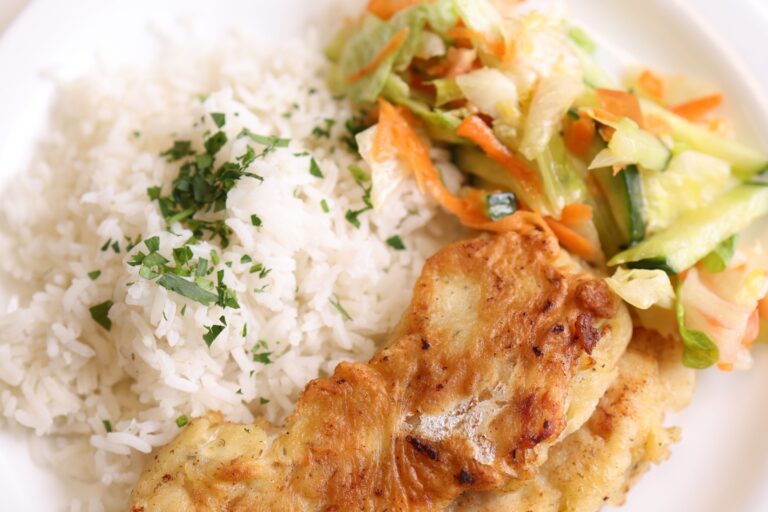
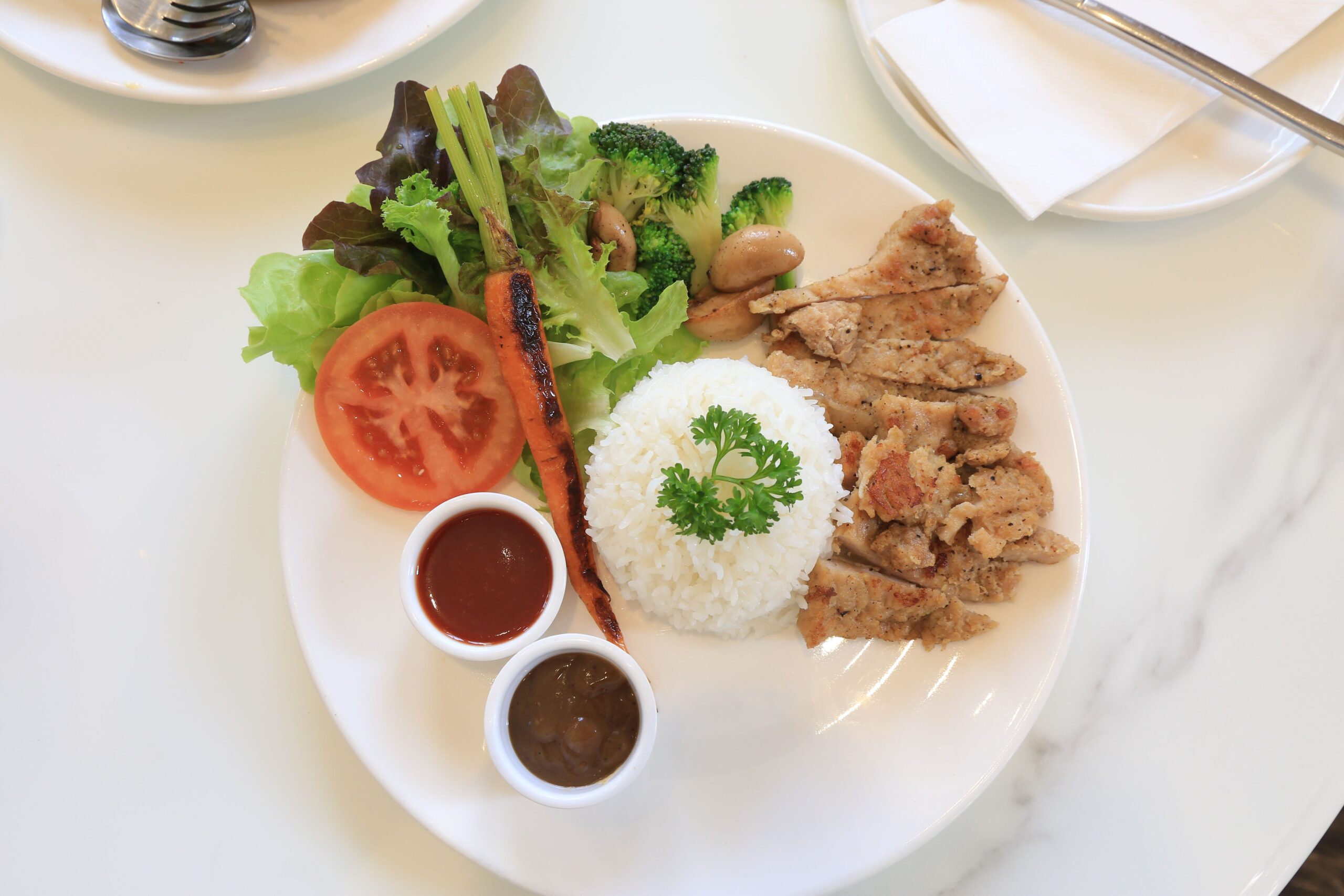
The core of meal prep for weight loss and muscle gain is one plate you can rebuild all week: lean protein first, then a carb scoop, a generous veg pile, and a measured fat. Flavors rotate. The structure stays. That is portion control without turning dinner into homework.
Build every main plate like this:
- Lean protein (palm-sized cooked portion): chicken, turkey, fish, tofu, tempeh, eggs, or Greek yogurt depending on the meal
- Carb (fist or measured scoop): rice, potatoes, oats, or another grain you actually like
- Vegetables (half the plate or a big side): broccoli, peppers, salad greens, roasted mixed veg
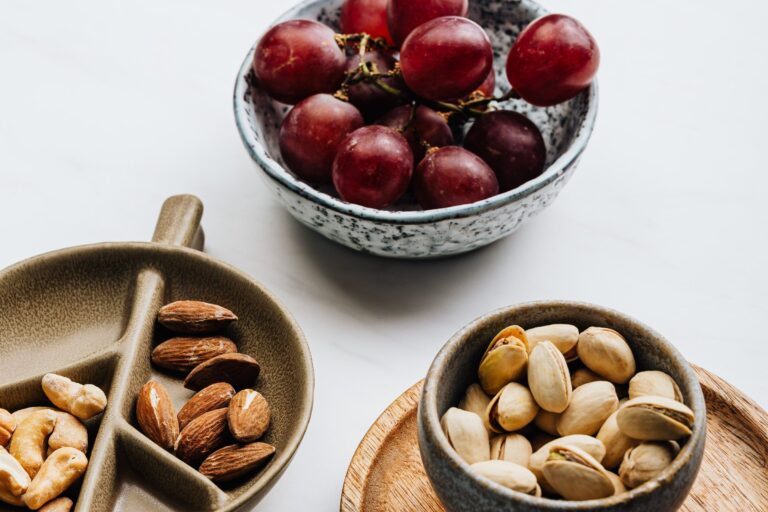
- Fat (thumb or measured drizzle): olive oil, avocado, nuts or seeds, cheese used on purpose
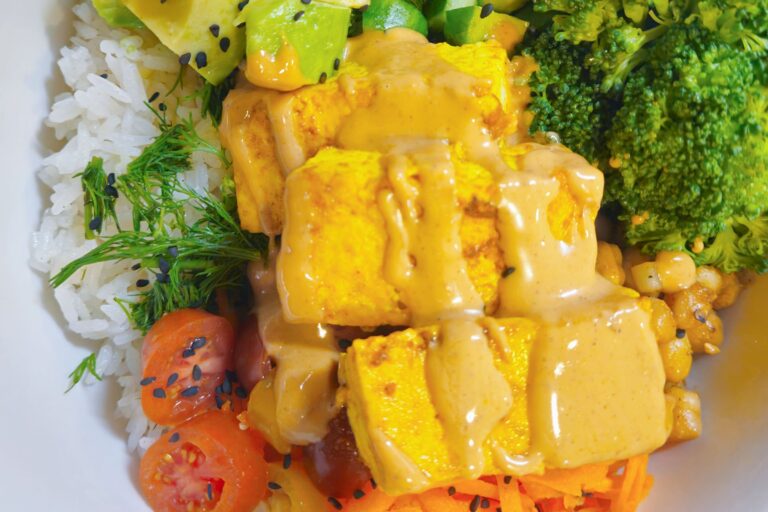
Mix-and-match beats twenty-one unique recipes. Same grilled chicken becomes a bowl with rice and broccoli, a wrap with greens and salsa, or a salad with potatoes on the side. Scrambles and yogurt bowls cover mornings without inventing a brunch menu. Keep protein per meal visible on the plate so the template does the heavy lifting before sauces and “just a little extra” carbs show up.
Hand portions work when you do not want a scale every night. If you prefer grams later, you can tighten once the habit sticks. For now, make the plate boringly repeatable. That is the whole point. When friends ask what you’re eating this week, you can describe the template in one sentence instead of reading a recipe card aloud. Pretty plates still count. Colorful veg and a clean protein scoop look intentional without tipping into bro-style container mountains. Keep dressings on the side so the template stays readable at a glance.






Get Dishco on iPhone

Pick Your Weekly Anchors (Not 12 Recipes)
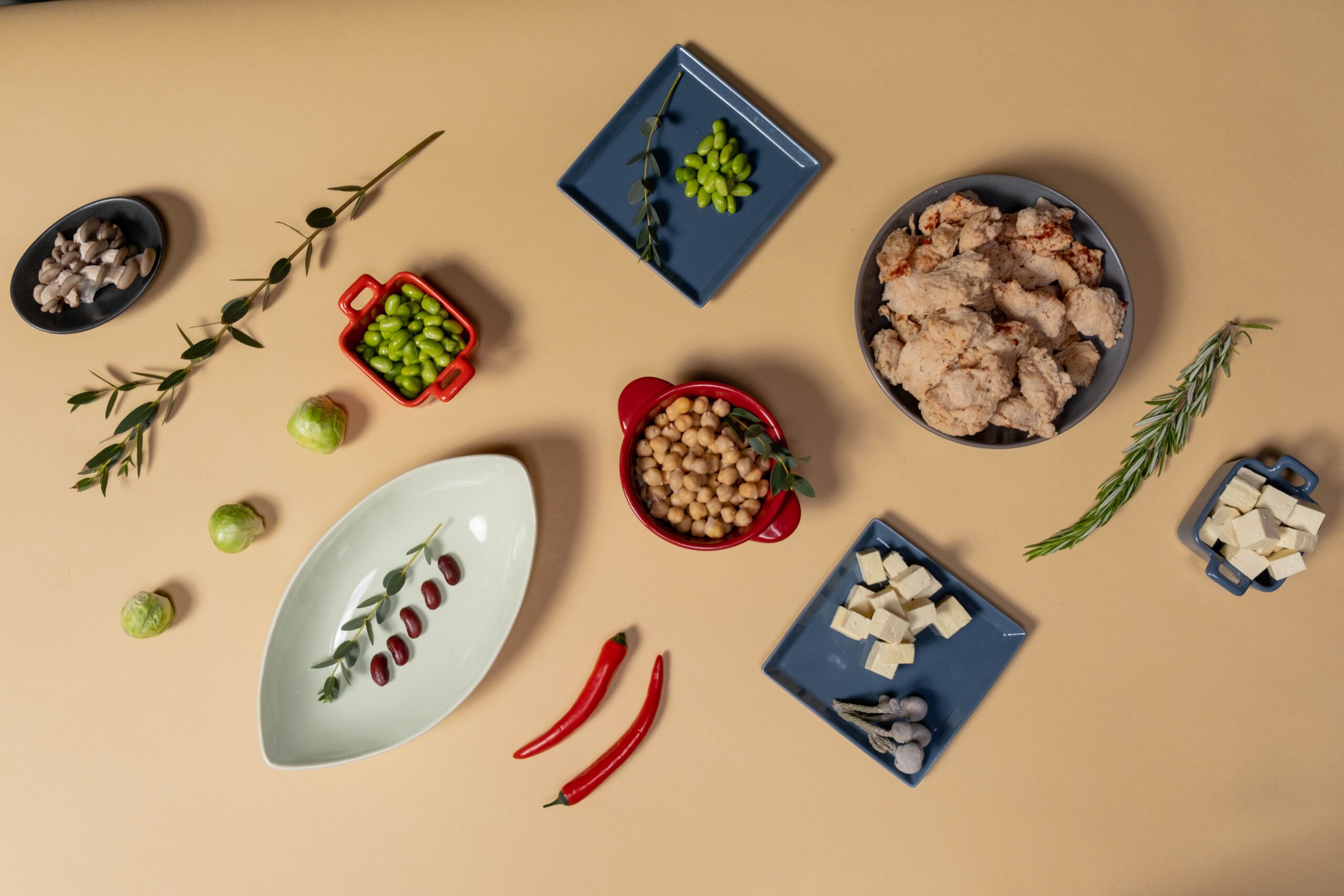
Skip the fantasy of twelve brand-new dinners. Pick a short anchor list you can batch cook once, then assemble. Two or three lean proteins, two carbs, two or three vegetables, and a couple of fats cover almost every high protein meal prep week without recipe-site sprawl. The goal is a fridge that looks stocked and calm, not a cooking show set.
Proteins (choose 2-3):
- Chicken breast or thighs
- Ground turkey or lean ground chicken
- Eggs, plus Greek yogurt or cottage cheese for fast mornings
- Tofu or tempeh if you want a plant-forward night
Carbs (choose 2):
- Rice or quinoa (one pot, fridge-friendly)
- Potatoes or sweet potatoes
- Rolled oats for breakfast repeats
Vegetables (choose 2-3):
- Broccoli or a frozen steam bag for backup
- Bell peppers or cucumbers for crunch
- Spinach, romaine, or a salad mix that survives a few days
Fats (choose 1-2):
- Extra-virgin olive oil
- Avocado or a nut butter you will finish
Assembly only (no fake catalog recipes): grain bowls, turkey wraps, chopped salads with a protein scoop, egg scrambles with leftover veg. Rotate sauces and spice rubs so the same anchors do not taste like punishment. Fridge-friendly picks win: cooked chicken, rice, roasted veg, and yogurt keep midweek simple when you refuse to cook twice.
Think in themes, not titles. “Sheet-pan chicken night” and “tofu bowl night” are enough. If a staple always wilts in your house, drop it next week without guilt. Anchors should match your actual supermarket and your actual appetite, including budget-friendly plant options when meat prices spike. Write the short list on a sticky note before you open any recipe app so you stay in system mode. If you batch cook on Sunday and still feel underfed by Tuesday, add one more lean protein portion next week instead of inventing five brand-new dinner recipe ideas.
Get Dishco on iPhone
A 90-Minute Sunday Prep Session Map
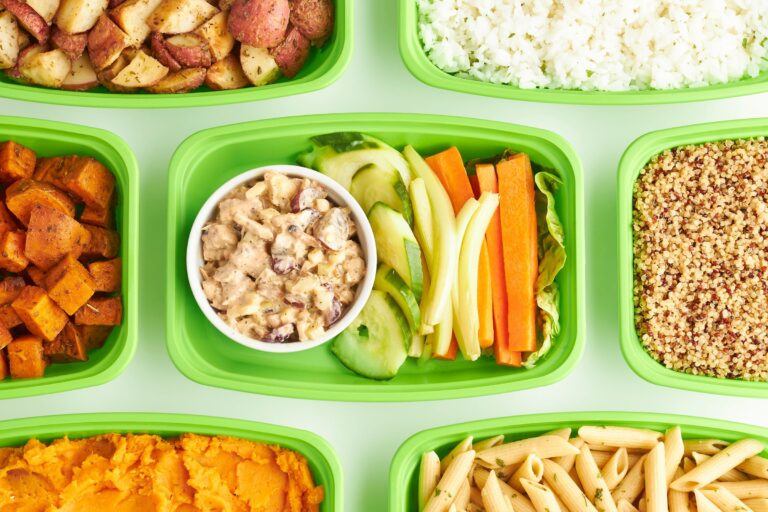
A timed map is where meal prep for weight loss and muscle gain stops being theory. You are not locking a buffet of finished entrees. You are batch cooking components, loading meal prep containers, and leaving a midweek refresh on the calendar. Ninety minutes is a ceiling, not a badge of honor. If you finish early, close the kitchen and keep the win.

Run the session in order:
- 10 minutes: pick anchors + pantry check. Write the 2-3 proteins, 2 carbs, and veg you already chose. Cross off what is already in the fridge so you do not buy a third bottle of olive oil.
- Shop once. One list, one trip (write the aisle list from the plan you already made). No second “I forgot cilantro” run if you can help it.
- 60-75 minutes: batch cook. Sheet-pan protein, a pot of carbs, a veg tray, plus eggs boiled or a yogurt portion station. Overlap oven and stovetop so the clock stays honest. Season simply first; sauces can wait until plating.
- Portion protein first. Scoop lean protein into meal prep containers, then add carbs and veg. Labels with day + contents beat mystery boxes on Tuesday. Leave a little empty space so reheating does not steam everything into mush.
- Wednesday 10-minute refresh. Re-chop a salad base, reheat a carb pot if needed, or cook one quick protein if Sunday’s batch is running thin. That midweek refresh keeps the system alive past day three.
Component prep beats a fridge full of identical sauced trays you are sick of by Monday night. Leave sauces on the side when you can. Cool food before sealing. Wipe the counters once so Monday-you inherits a kitchen that feels finished, not abandoned mid-chaos. Set one simple kitchen timer for the cook block so you know when to switch trays. Then close the kitchen and reclaim the rest of Sunday without turning prep into an all-day project.
Free Printable Meal Prep Checklist
Printables only help when they are already filled with the Sunday blocks you will actually do. This printable checklist is built for meal prep for weight loss and muscle gain: anchors to circle, cook blocks to tick, portion steps, and storage cues. It is not a blank page pretending to be a plan.
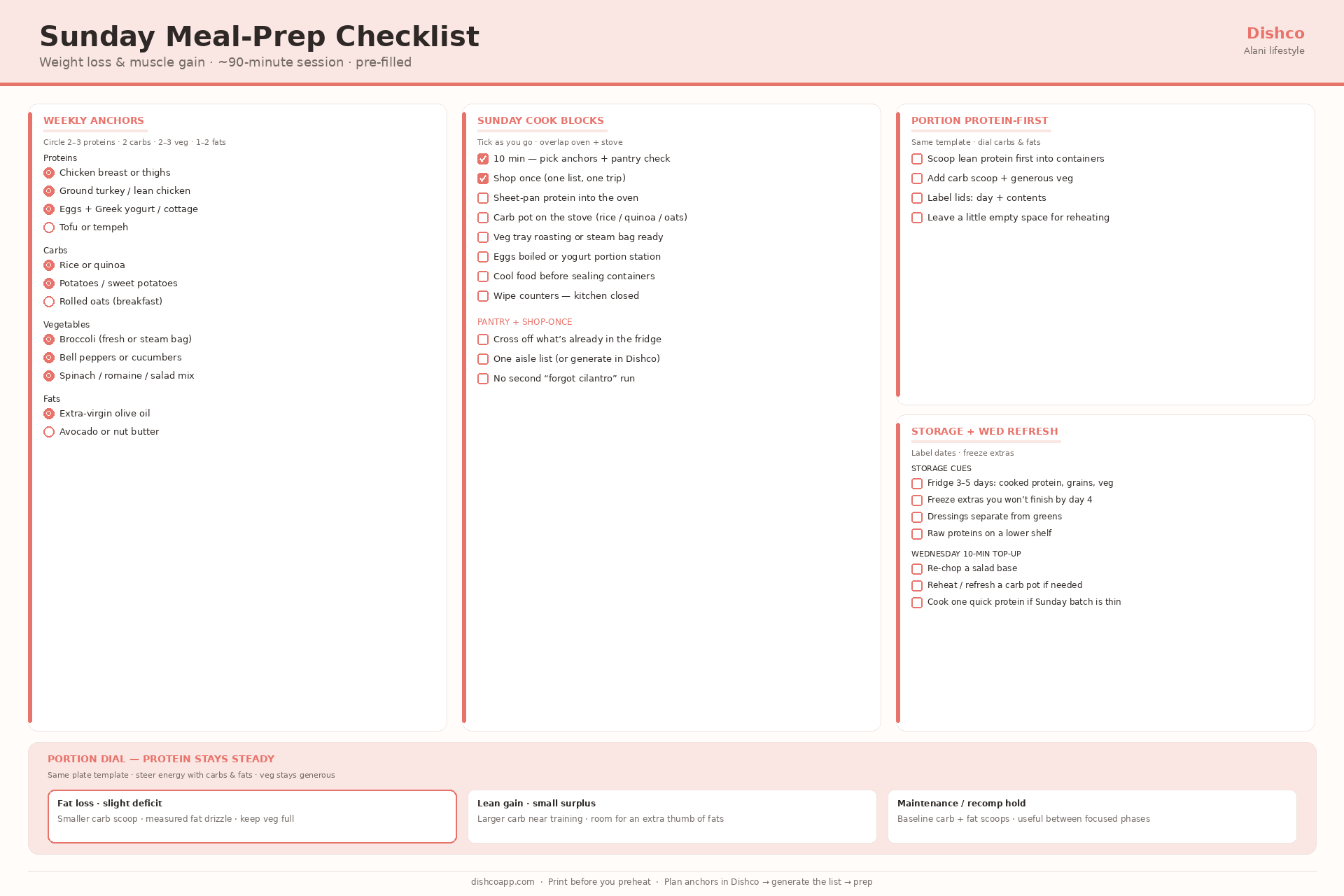
Download the printable PDF checklist (one-page pre-filled Sunday meal-prep checklist). Print it, stick it on the fridge, and check boxes as you go.
Pre-filled categories on the sheet:
- Weekly anchors (proteins / carbs / veg / fats)
- Pantry check + shop-once box
- Batch cook blocks (sheet-pan protein, carb pot, veg tray, eggs/yogurt)
- Portion protein-first + label
- Fridge vs freeze split
- Wed top-up block
Download or print before you preheat the oven. Stick it on the fridge. Check boxes as you go so the session map stays visible when your phone is covered in olive oil. If you prefer digital, screenshot the categories into your notes app, but keep the same pre-filled structure so nothing important drops off the board.
Same Template, Dial the Portions
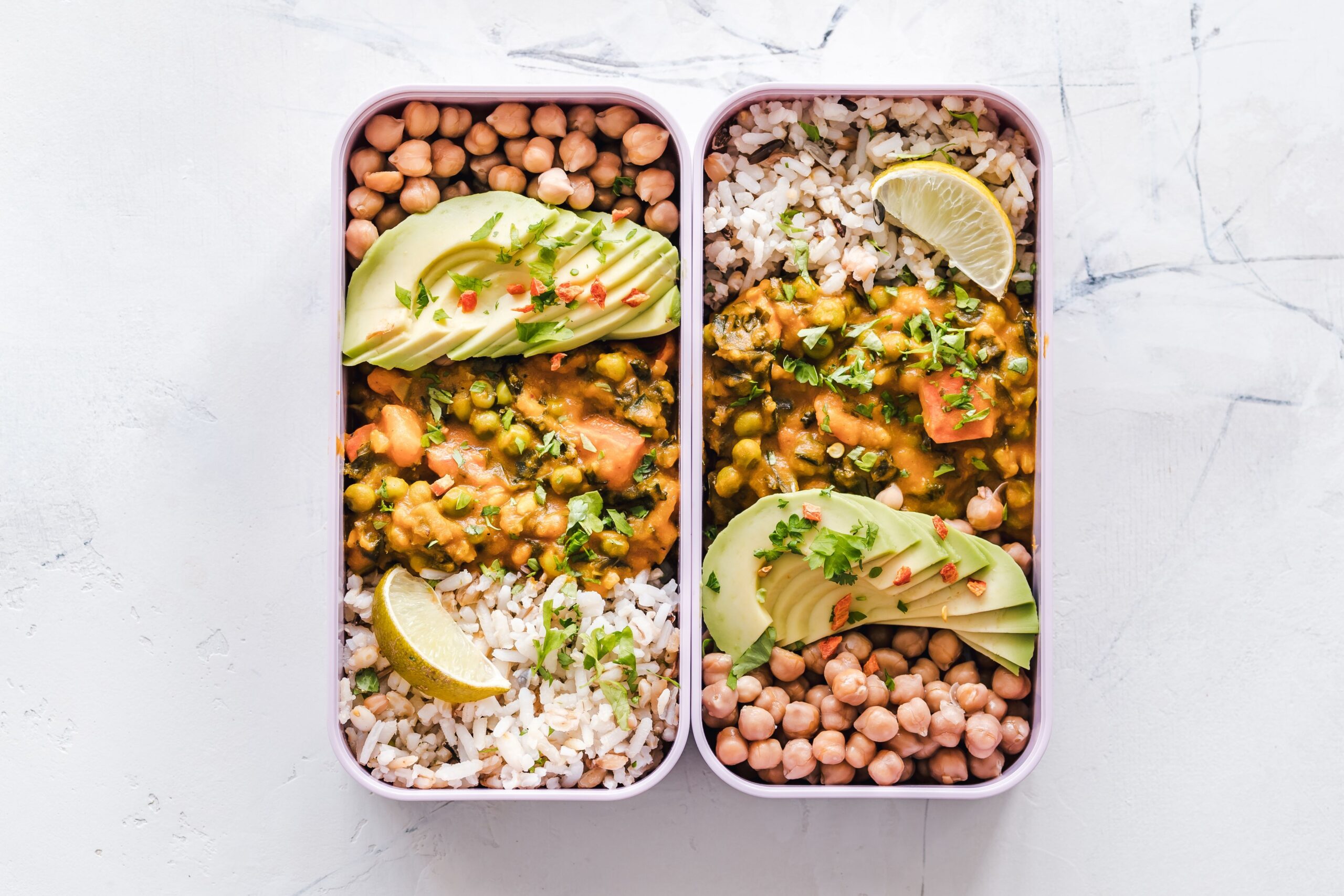
Same plate template, different energy balance. Keep lean protein steady for recovery and fullness. Use portion control on carbs and fats to steer a calorie deficit for fat loss or a small lean surplus when muscle gain is the priority. That is body recomposition without a second URL and without aggressive cut-or-bulk language.
| Goal focus | Protein | Carbs | Fats | Notes |
|---|---|---|---|---|
| Fat loss (slight deficit) | Steady | Slightly smaller scoop | Measured drizzle | Keep veg generous so the plate still looks full |
| Lean gain (small surplus) | Steady | Slightly larger scoop, especially near training | Room for an extra thumb of fats | Still prep; do not overload every container “just because” |
| Maintenance / recomp hold | Steady | Baseline scoop | Baseline | Useful between focused phases |
Training days can nudge carbs up a little around the session if that helps performance. Rest days can sit at the baseline scoop. The dial is gentle on purpose. If the deficit is so sharp that workouts fall apart, ease carbs back before you slash protein. Women-first inclusive framing still applies: your plate can look colorful and calm while the portions do the quiet math. Track how you feel for at least two full weeks before you chase another tweak. Hunger that wrecks sleep is a signal to loosen the dial, not to invent a harsher plan. If the scale is noisy week to week, a weight loss percentage calculator can show whether the change is meaningful relative to where you started.
Get Dishco on iPhone
Turn Anchors Into a Grocery List (and Keep Food Safe)
Once anchors are chosen, your shopping list writes itself by aisle: proteins, produce, grains, dairy and eggs, oils and extras. Check the pantry first. Then shop once for the Sunday session so you are not improvising under fluorescent lights. A short aisle map beats a phone note that jumps from cilantro to protein powder to paper towels with no real plan attached.

Storage that keeps prep edible:
- Most cooked proteins, grains, and veg: fridge storage about 3-5 days in airtight containers
- Freeze extras you will not finish by day four (portioned chicken, rice, cooked ground turkey)
- Cool before sealing; reheated food should be hot all the way through
- Label dates so Wednesday’s refresh is intentional, not a science experiment
Separate wet dressings from greens when you can. Keep raw proteins on a lower shelf so nothing drips onto ready-to-eat food. If a container looks questionable, toss it. Food safety is part of the system, not an afterthought paragraph. Soft path: plan the week’s anchors first, build the cart from those meals, then prep from what you already decided. Same Sunday rhythm, less sticky-note chaos.
Frequently Asked Questions
Can I lose fat and gain muscle at the same time with meal prep?
Sometimes, especially if you are newer to lifting, returning after a break, or have more fat to lose. Prep helps by locking protein and reducing late-night chaos. Advanced trainees may need clearer surplus or deficit phases. Either way, steady prep still supports the work when the scale is slow.
How much protein should each prepped meal have?
A practical planning range for main meals is about 25-40g protein per meal, with breakfast or snacks carrying a clear protein anchor too. That is a habit cue, not a clinical prescription. Adjust with your size, training, and preference.
Should I prep full meals or batch ingredients?
Batch ingredients (protein, carbs, veg) usually wins for boredom control. Full meals are fine for the busiest lunches. Many people mix both: a few sealed bowls plus loose components for wraps and scrambles. Start with components if you are new.
How long does meal prep last in the fridge?
Plan on about 3-5 days for most cooked proteins and grains when cooled and stored well. Freeze what you will not eat in that window. When in doubt, trust smell, look, and date labels over hope. A Wednesday top-up keeps you from stretching day-one chicken into day-six mystery.
Do I need to weigh everything?
No. Hand portions and a consistent plate template get most people far. Weighing helps if you want tighter feedback later. Start with repeatable scoops so prep stays sustainable.
What is the best high-protein meal prep for beginners?
The best beginner setup is boring on purpose: one or two proteins, one carb, two vegetables, portioned after a single Sunday cook. Bowls and wraps beat elaborate recipes you will not repeat. If meal prep for weight loss and muscle gain feels overwhelming, shrink the anchor list before you add sauces and snacks.
How do I keep prep from getting boring?
Change sauces, spice rubs, and assembly formats before you change the whole anchor list. Bowl one night, wrap the next, salad after that. Keep a midweek refresh so something fresh lands midweek. A new sauce often beats a new protein for boredom.
Get Dishco on iPhone
Plan the Week, Shop Once, Then Prep
You now have the full loop for meal prep for weight loss and muscle gain: one protein-first template, a short anchor list, a 90-minute Sunday map, a pre-filled printable checklist, and a portion dial for deficit or lean surplus. High protein meal prep sticks when the cart is already decided before you preheat the oven—start from a solid healthy grocery list.
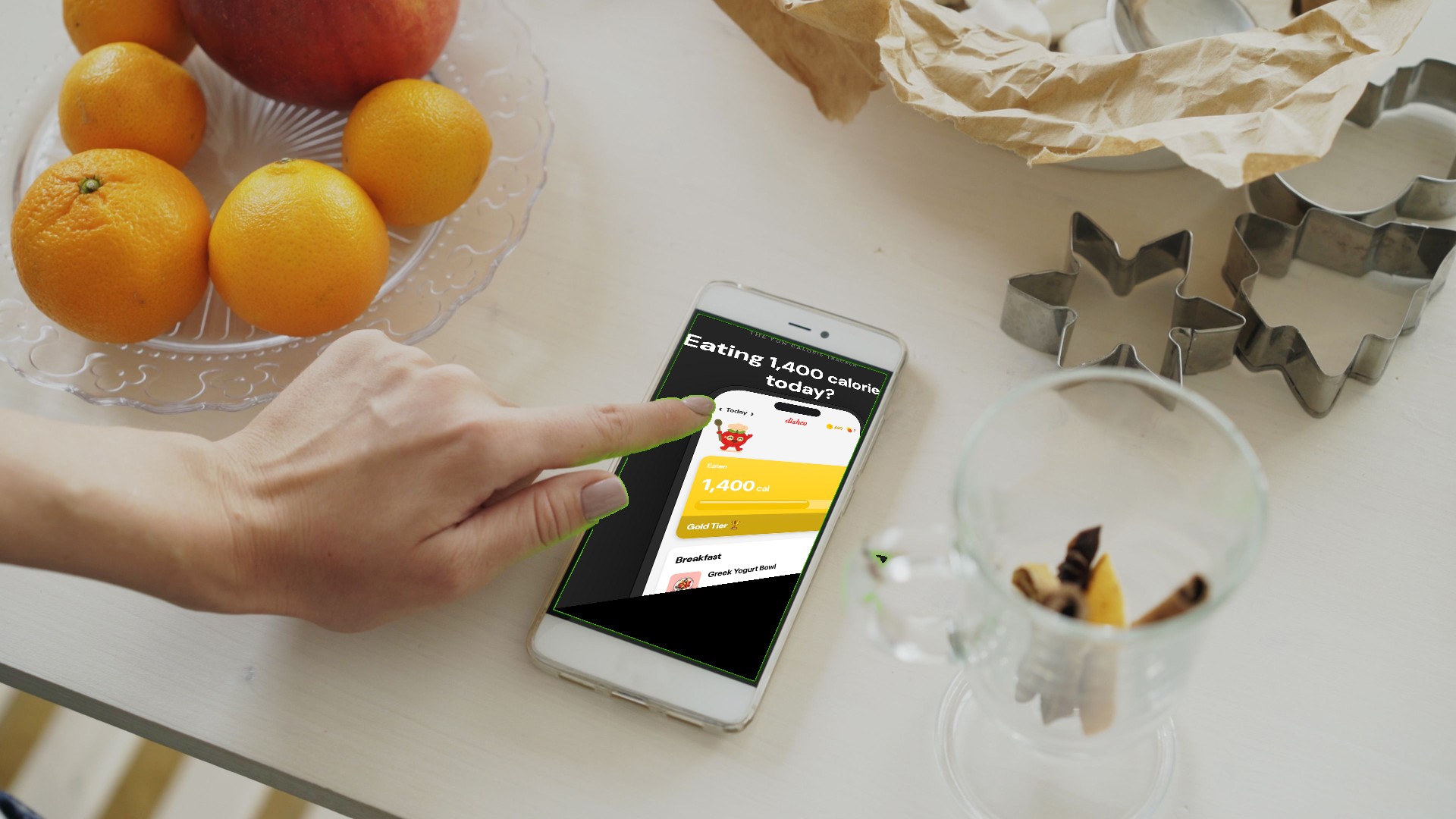
Plan the week’s anchors, write the list from those meals, then prep from what you already chose. Bring the printable checklist to the counter, run the session map once, portion protein first into containers, label the lids clearly, and let the same anchors carry you to Wednesday’s refresh. This isn’t medical advice. Personalize to your training and goals, keep the system reusable, and let Sunday do the heavy lifting so weeknights stay quiet.